
Discover how upgrading from manual to automated irrigation systems can transform your farming operations and boost productivity
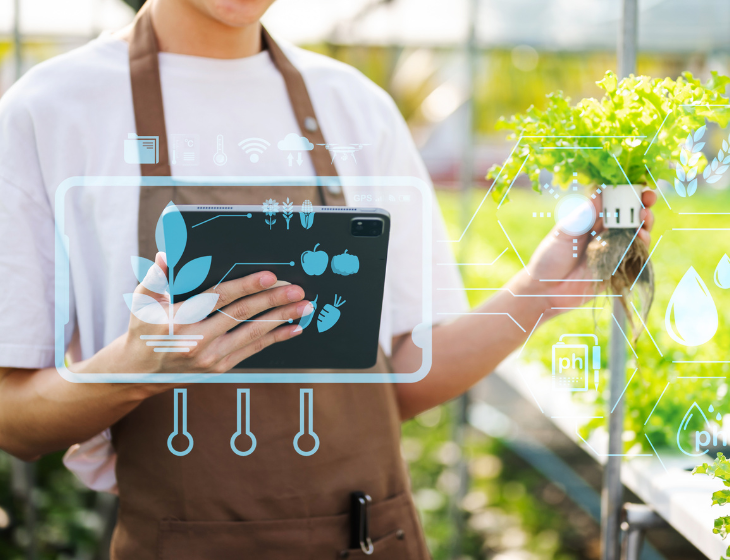
Understanding the Three Primary Irrigation Methods in Modern Agriculture
- Surface Irrigation: Traditional flooding or furrow-based water distribution
- Sprinkler Systems: Overhead water dispersal mimicking natural rainfall
- Drip Irrigation: Precision water delivery directly to plant root zones
Agriculture remains the backbone of food security in India, serving a rapidly expanding population. Effective irrigation plays a critical role in determining crop health and harvest quality. However, small-scale farmers often hesitate to invest in modern irrigation technology despite its potential to dramatically reduce labor costs, conserve water resources, and enhance crop precision watering. This reluctance stems primarily from perceived financial barriers and concerns about diminished returns on investment.
The reality facing today's agricultural community is stark: the vast majority of farming operations continue relying on manual irrigation systems. These outdated methods demand constant physical presence, require frequent maintenance interventions, and consistently produce irregular watering patterns. Such inconsistency leads to substantial water waste and significantly reduced crop yields caused by improper moisture distribution. The lack of systematic irrigation control perpetuates a cycle of inefficiency that directly impacts farmer profitability.
Traditional farming routines involve farmers making numerous field visits throughout growing seasons to manually assess soil moisture conditions. Based on visual inspection and experience-based judgment, they determine irrigation requirements for various field sections. During watering operations, they physically run water through pipe systems, manually open valve mechanisms, constantly monitor sand media filters, hydro cyclones, and screen or disc filtration systems for debris and obstructions, and finally return to shut off pumps and close valves upon completion. This labor-intensive cycle consumes tremendous time and physical energy that could be redirected toward other critical farm management tasks.
The Modern Solution: Today's automation technology revolutionizes traditional irrigation by enabling farmers to upgrade manual drip, sprinkler, or surface systems into sophisticated semi-automatic or fully-automatic operations. These advanced systems operate based on predetermined schedules and sensor feedback, dramatically reducing farmer workload while eliminating the constant need for physical field presence.
Contemporary Indian farmers require cost-effective, user-friendly automated irrigation solutions that align with modern technological capabilities. With the widespread adoption of mobile devices and internet connectivity across rural communities, farmers can now monitor real-time irrigation status and control field operations remotely, regardless of their physical location. This technological leap bridges the gap between urban connectivity and rural agricultural operations.
Upgrade Your Irrigation System Today
Experience professional-grade irrigation control with the TrolMaster Aqua-X Plus system – designed for precision, efficiency, and ease of use. Transform your farming operation with smart automation technology.
TrolMaster Aqua-X PlusThe Future is Automated: Smart Irrigation for Sustainable Farming
The agricultural sector demands intelligent irrigation systems that deliver cost-effectiveness alongside operational simplicity. Modern automation has become integral to contemporary life, providing not just convenience but measurably reducing energy consumption, increasing operational efficiency, and saving valuable time. Today's irrigation control systems offer ready-to-implement solutions for upgrading existing infrastructure with sophisticated automation capabilities at accessible price points.
Advanced irrigation automation systems operate through intelligent control mechanisms that manage water motor operations and regulate water flow direction throughout pipe networks. Utilizing precision soil moisture sensors, these systems collect real-time field data and automatically transmit operational information and directional control commands directly to the farmer's mobile device. This creates a seamless connection between field conditions and farmer decision-making, regardless of distance.
Maximizing Agricultural Productivity Through Smart Technology
The evolution from manual to automated irrigation represents more than technological advancement—it signifies a fundamental shift in agricultural methodology. By embracing smart irrigation systems, farmers position themselves to meet increasing food production demands while simultaneously conserving precious water resources and reducing operational overhead. The integration of sensor technology, mobile connectivity, and automated controls creates a powerful ecosystem that optimizes growing conditions while minimizing farmer workload.
As agricultural challenges intensify with climate variability and resource constraints, automated irrigation systems provide the resilience and precision necessary for sustainable farming success. The investment in modern irrigation technology delivers returns through increased yields, reduced water consumption, decreased labor costs, and improved crop quality. For forward-thinking farmers ready to modernize their operations, the time to embrace automated irrigation solutions is now.