
Understanding the Differences Between Class N, S, and B Autoclaves
Autoclaves are classified based on their sterilization technology and the types of materials they can process. Understanding these classifications is essential for selecting the right equipment for your specific needs, whether for medical facilities, laboratories, or industrial applications.
The three main autoclave classes—N, S, and B—are defined by European standard EN 13060, which establishes the criteria for small steam sterilizers. Each class offers distinct capabilities, limitations, and ideal use cases that professionals must consider when choosing sterilization equipment.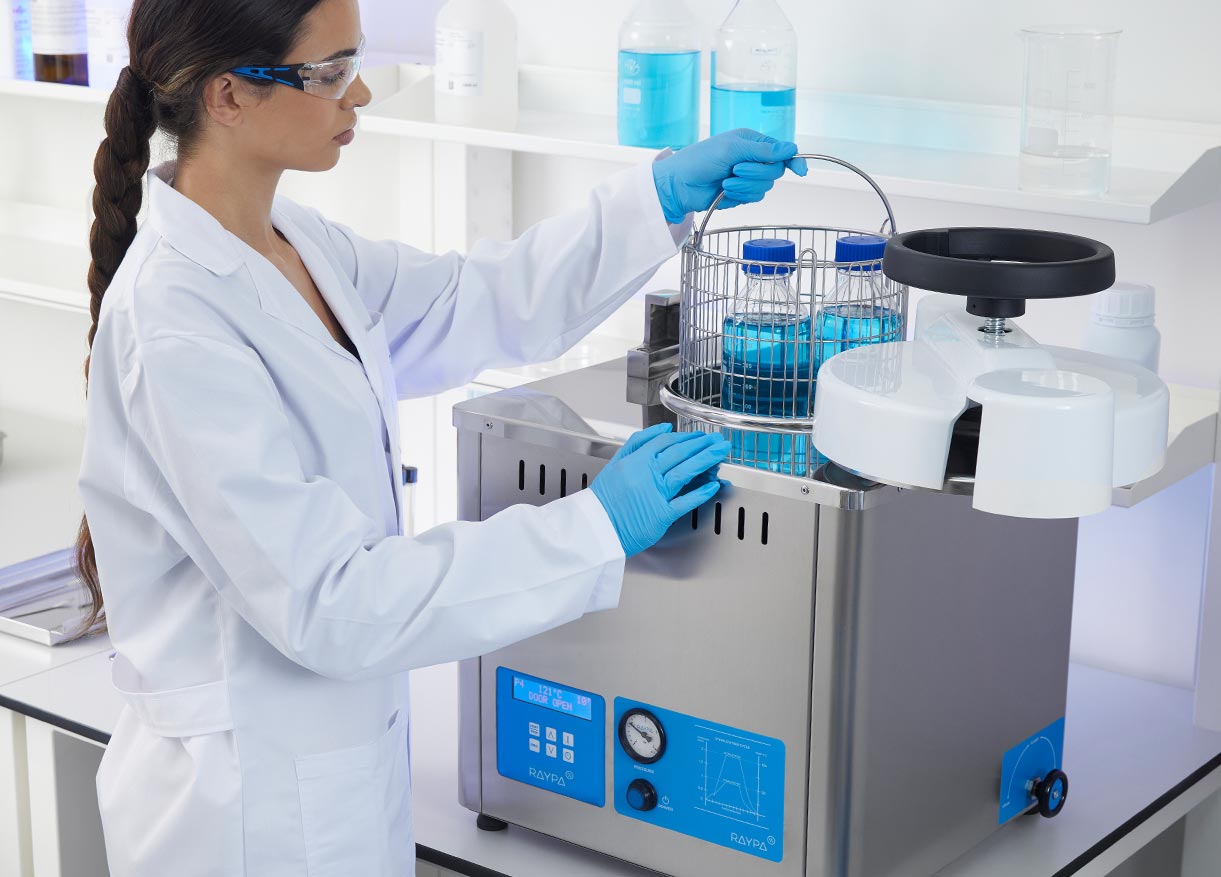
Class N Autoclaves
Class N (Naked) autoclaves are the most basic type of steam sterilization equipment. They utilize gravity displacement to remove air from the chamber, making them suitable for simple, unwrapped instruments and solid items without complex geometries.
Key Features of Class N Autoclaves
- Gravity Displacement: Uses natural air removal through gravity, which is less efficient than vacuum systems but adequate for simple loads.
- Cost-Effective: The most affordable autoclave option, ideal for small practices and basic sterilization needs.
- Simple Operation: Straightforward functionality with minimal technical requirements or maintenance complexity.
- Compact Design: Generally smaller units that fit well in limited workspace environments.
Limitations of Class N Autoclaves
Class N autoclaves cannot effectively sterilize porous materials, wrapped instruments, or items with hollow cavities. The gravity displacement method may leave air pockets in complex loads, compromising sterilization effectiveness. They are not suitable for textiles, packaged instruments, or hollow items like handpieces and tubes. These limitations make Class N autoclaves inappropriate for comprehensive medical or dental practice sterilization requirements.
Class S Autoclaves
Class S (Specific) autoclaves represent a middle ground between Class N and Class B capabilities. These units incorporate some advanced features while remaining more affordable than Class B models, making them versatile for specific applications.
Key Features of Class S Autoclaves
- Enhanced Air Removal: Improved air removal systems compared to Class N, though not as comprehensive as Class B vacuum systems.
- Moderate Versatility: Capable of processing some wrapped items and select porous materials as specified by the manufacturer.
- Variable Capabilities: Performance varies by manufacturer, so specific load types must be verified against manufacturer specifications.
- Balanced Investment: Offers expanded capabilities at a price point between Class N and Class B models.
Limitations of Class S Autoclaves
Class S autoclaves have manufacturer-specific limitations that must be carefully reviewed. They cannot sterilize all types of porous loads or complex wrapped items. The specific capabilities vary significantly between models, requiring thorough verification of load compatibility. Users must consult manufacturer documentation to determine exactly which materials and configurations are approved for sterilization in their specific Class S unit.
 Class B Autoclaves
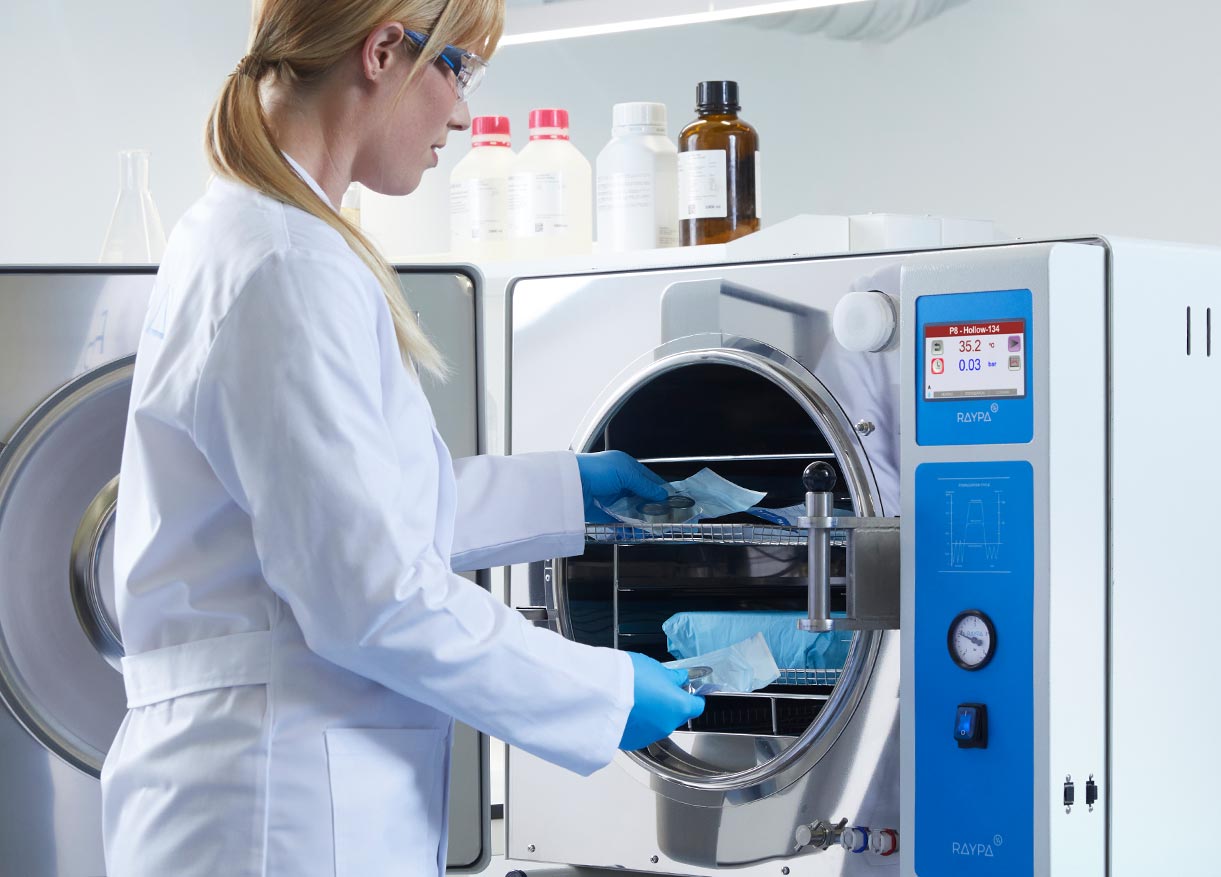
Class B (Big/Universal) autoclaves are the most advanced and versatile sterilization systems available. They employ sophisticated vacuum technology to ensure complete air removal and steam penetration, making them suitable for all types of loads and configurations.
Key Features of Class B Autoclaves
- Fractionated Pre-Vacuum: Multiple vacuum pulses ensure complete air removal from even the most complex loads and hollow instruments.
- Universal Capability: Can sterilize all load types including unwrapped, wrapped, porous, hollow, and complex instruments.
- Superior Penetration: Vacuum technology ensures steam reaches all surfaces, cavities, and porous materials effectively.
- Drying Efficiency: Post-sterilization vacuum drying ensures instruments are completely dry and ready for immediate use or storage.
- Highest Standards: Meets the most stringent sterilization requirements for medical, dental, and laboratory applications.
Typical Applications of Class B Autoclaves
Class B autoclaves are essential in medical offices, dental practices, surgical centers, and any facility requiring comprehensive sterilization capabilities. They excel at processing:
- Wrapped surgical instrument sets and dental tools
- Hollow instruments like handpieces, tubes, and cannulas
- Porous materials including textiles, gauze, and drapes
- Complex geometries and multi-component assemblies
Which Autoclave Class Should You Choose?
Selecting the appropriate autoclave class depends on your specific sterilization needs, budget, and the types of instruments you process regularly.
Choose Class N If:
- ✓ You only sterilize simple, unwrapped instruments
- ✓ Budget is a primary constraint
- ✓ You have basic sterilization needs
- ✓ Limited space is available
Choose Class S If:
- ✓ You need moderate versatility
- ✓ Some wrapped items require processing
- ✓ Budget allows for mid-range investment
- ✓ Specific manufacturer capabilities meet your needs
Choose Class B If:
- ✓ You process all types of instruments
- ✓ Wrapped and hollow items are common
- ✓ Highest sterilization standards required
- ✓ Medical or dental practice compliance needed
Premium Autoclave Solution
For professional-grade sterilization with reliable performance and advanced features, consider the Tuttnauer T-Classic 9 Portable Autoclave—engineered for efficiency and durability in demanding environments.
Tuttnauer T-Classic 9Advantages and Considerations of Each Autoclave Class
Class N:
Most economical option with straightforward operation. Best suited for facilities with limited sterilization requirements. However, the inability to process wrapped, porous, or hollow items significantly restricts its practical applications in comprehensive healthcare settings.
Class S:
Provides expanded capabilities at a moderate price point. Offers flexibility for specific applications but requires careful verification of manufacturer specifications. Ideal for practices that need more than basic sterilization but don't require full Class B capabilities.
Class B:
Represents the gold standard in autoclave technology with universal load capability. While requiring higher initial investment, Class B autoclaves provide comprehensive sterilization confidence, eliminate load restrictions, and ensure compliance with the strictest healthcare standards. The long-term value, versatility, and peace of mind often justify the premium cost for professional practices.
 Making the Right Choice
Understanding autoclave classifications is essential for maintaining proper sterilization protocols and ensuring patient safety. Each class serves specific purposes, and selecting the appropriate level depends on your facility's needs, the types of instruments you process, regulatory requirements, and budget considerations.
For most medical and dental practices, Class B autoclaves provide the comprehensive capabilities needed to handle diverse sterilization requirements confidently. Investing in the appropriate autoclave class ensures operational efficiency, regulatory compliance, and most importantly, the highest standards of patient care and safety.