
Discover the essential sterilization equipment transforming professional workspaces across industries
What Defines an Autoclave and Its Purpose?
Autoclaves represent sophisticated sterilization technology utilizing pressurized steam at elevated temperatures to eliminate microorganisms from instruments, materials, and equipment. These powerful devices operate through a fundamental principle: exposing items to saturated steam under controlled pressure, typically reaching temperatures between 250°F and 275°F (121°C to 135°C), ensuring complete microbial destruction.
The sterilization process within an autoclave chamber creates an environment where harmful bacteria, viruses, spores, and fungi cannot survive. This capability makes autoclaves indispensable across professional sectors including healthcare facilities, research laboratories, manufacturing plants, and specialized service industries requiring guaranteed sterility standards.
The Science Behind Autoclave Operations
Understanding autoclave functionality requires examining the three critical elements that create effective sterilization: intense heat application, sustained pressure maintenance, and precise timing control. When these components work harmoniously, they produce an environment lethal to all microbiological life forms.
The Sterilization Process Explained
The operational sequence begins when items are positioned within the sealed chamber. Steam enters under controlled pressure, rapidly displacing ambient air while temperature climbs to sterilization levels. The pressurized steam penetrates materials thoroughly, reaching even microscopic crevices where organisms might shelter.
Throughout the exposure phase, sustained heat and pressure destroy cellular structures of microorganisms through protein coagulation and membrane disruption. Following the predetermined cycle duration, pressure releases gradually, steam evacuates, and items undergo cooling before safe removal. This methodical approach guarantees sterilization effectiveness while protecting equipment integrity.
Exploring Autoclave Categories and Classifications
Gravity Displacement Autoclaves
Representing the foundational autoclave design, gravity displacement models employ natural physics principles for air evacuation. As steam enters from the top, its lighter density compared to ambient air forces air downward and outward through drainage ports positioned at the chamber bottom.
This technology proves particularly effective for non-porous materials and unwrapped instruments where air pockets pose minimal concern. The straightforward mechanical operation translates to enhanced reliability and reduced maintenance demands, making these units economically advantageous for facilities with basic sterilization requirements.
Optimal Applications:
Laboratory glassware sterilization, solid metal instruments, basic medical tools, unwrapped equipment, heat-resistant materials, and general-purpose decontamination tasks where rapid penetration isn't critical.
Pre-Vacuum (Prevacuum) Autoclaves
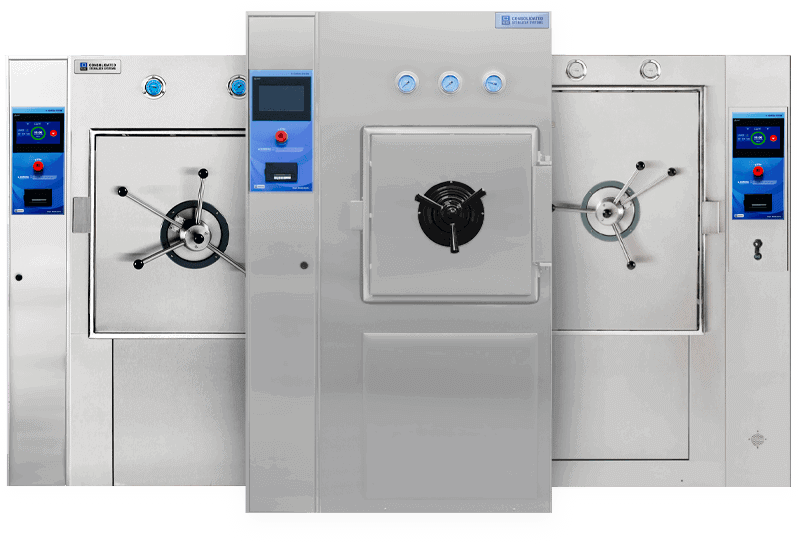
Advancing beyond gravity displacement technology, pre-vacuum autoclaves incorporate mechanical vacuum pumps that actively extract air from the chamber before steam introduction. This preliminary evacuation phase, typically involving multiple vacuum pulses, ensures superior air removal and creates optimal conditions for steam penetration.
The vacuum mechanism enables these systems to sterilize complex loads including porous materials, wrapped instrument sets, textiles, and hollow devices where air entrapment could compromise effectiveness. Enhanced steam circulation through evacuated spaces dramatically reduces cycle times while improving sterilization reliability across challenging load configurations.
Optimal Applications:
Wrapped surgical instrument sets, porous materials and fabrics, complex hollow instruments, packaged medical devices, dental equipment with lumens, veterinary tools, and high-volume sterilization operations demanding rapid turnaround.
Steam-Flush Pressure-Pulse Autoclaves
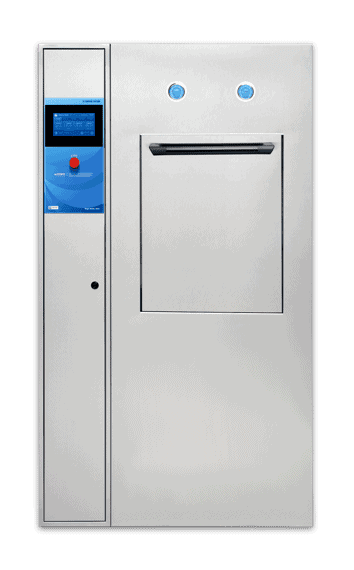
This innovative category bridges gravity displacement and pre-vacuum technologies through an alternating sequence of steam injection and pressure release cycles. Rather than employing vacuum pumps, these systems utilize repeated steam flushes and pressure pulses to progressively displace air, achieving thorough evacuation through mechanical repetition.
The pulsing action creates dynamic pressure fluctuations that force air from difficult-to-reach areas within complex instruments and packaged loads. This approach delivers pre-vacuum-level performance without requiring dedicated vacuum pump infrastructure, offering a cost-effective middle ground for facilities needing enhanced penetration capabilities with simplified maintenance requirements.
Optimal Applications:
Moderate-complexity instrument loads, partially wrapped items, equipment with limited hollow spaces, research facility sterilization, educational institution laboratories, and operations seeking pre-vacuum benefits without full system complexity.
Class N (Naked) Autoclaves
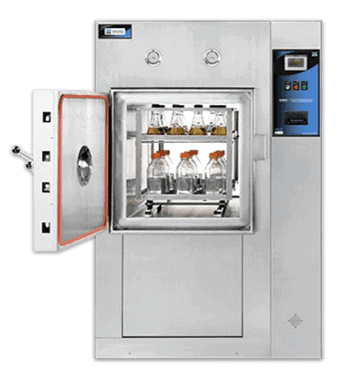
Designated for basic sterilization scenarios, Class N autoclaves handle solid, unwrapped instruments and simple load configurations. The "naked" classification refers to their intended use with unpackaged items where direct steam contact presents no obstacles, making them ideal for smaller-scale operations with straightforward sterilization demands.
These compact, economical units typically operate using gravity displacement principles without sophisticated air removal mechanisms. Their simplified design reduces acquisition costs and maintenance complexity, positioning them as practical solutions for practices with limited floor space and modest throughput requirements where immediate instrument use following sterilization is standard protocol.
Optimal Applications:
Small clinics and private practices, basic dental offices, tattoo and piercing studios, beauty salons requiring tool sterilization, mobile service operations, and any setting where instruments proceed directly to use without storage or packaging.
Class S (Specific) Autoclaves
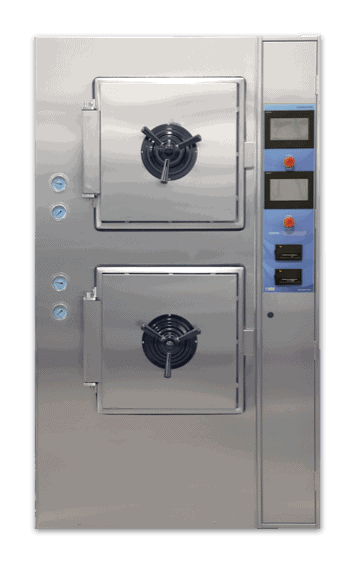
Occupying the middle ground between Class N and Class B specifications, Class S autoclaves offer enhanced capabilities beyond basic models without meeting full Class B requirements. Manufacturers design these systems with specific load types in mind, incorporating selective features that address particular sterilization challenges common to their target applications.
The "specific" designation acknowledges that capabilities vary between manufacturers and models, with each system optimized for defined load configurations. Users must carefully match Class S autoclave specifications to their actual sterilization needs, ensuring the selected unit handles their typical instrument types, packaging methods, and load complexities effectively.
Optimal Applications:
Specialized medical practices with defined instrument sets, dental clinics with consistent load profiles, veterinary facilities with predictable sterilization patterns, and operations seeking capabilities beyond Class N without full Class B investment requirements.
Class B (Big/Universal) Autoclaves
Representing the pinnacle of autoclave technology, Class B systems meet the most stringent European sterilization standards, capable of processing all load types regardless of configuration complexity. These comprehensive units incorporate advanced pre-vacuum and post-vacuum phases, fractioned vacuum cycles, and sophisticated drying mechanisms that handle wrapped, unwrapped, porous, hollow, and solid items with equal effectiveness.
The multiple vacuum pulses characteristic of Class B autoclaves ensure complete air evacuation from even the most challenging load configurations, including complex hollow instruments with narrow lumens, densely packed textile loads, and multi-layered packaging systems. Post-sterilization vacuum drying removes residual moisture, delivering instruments ready for immediate sterile storage or use without additional processing steps.
Optimal Applications:
Hospitals and surgical centers, comprehensive dental practices, veterinary hospitals, research laboratories, pharmaceutical manufacturing, medical device processing facilities, and any operation requiring maximum sterilization assurance across diverse load types with stringent regulatory compliance.
Determining the Right Autoclave for Your Operations
Selecting appropriate autoclave equipment demands careful evaluation of multiple operational factors. Consider these essential criteria when making your investment decision:
Load Characteristics
Evaluate the types of materials requiring sterilization including whether items arrive wrapped or unwrapped, solid or hollow, porous or non-porous. Complex instrument assemblies and packaged loads necessitate more sophisticated autoclave capabilities than simple solid tools.
Volume Requirements
Calculate daily and peak sterilization demands to determine necessary chamber capacity and cycle frequency. High-volume operations benefit from larger chambers or multiple units, while smaller practices may find compact models sufficient for their throughput needs.
Regulatory Standards
Understand applicable sterilization regulations and certification requirements governing your industry and geographic location. Medical facilities typically face stricter compliance demands than general industrial applications, directly influencing acceptable autoclave classifications.
Cycle Time Priorities
Assess whether rapid turnaround proves critical for operations or if extended cycle durations remain acceptable. Pre-vacuum systems deliver significantly faster processing than gravity displacement models, potentially justifying higher initial investment through improved operational efficiency.
Budget Considerations
Balance acquisition costs against long-term operational expenses including maintenance, repairs, utilities, and potential regulatory penalties from inadequate sterilization. While Class B autoclaves command premium pricing, their versatility may eliminate needs for multiple specialized units.
Infrastructure Compatibility
Verify available utilities match autoclave requirements including electrical specifications, water supply quality and pressure, drainage capabilities, and ventilation systems. Certain models demand dedicated steam generators or water treatment equipment, adding installation complexity and expense.
Essential Maintenance and Operational Best Practices
Proper autoclave maintenance ensures consistent sterilization effectiveness, extends equipment lifespan, and maintains regulatory compliance. Establishing systematic maintenance protocols protects your investment while safeguarding sterilization integrity.
Daily Operational Procedures
Inspect door gaskets and sealing surfaces for wear, debris, or damage before each cycle. Verify water levels in reservoir-based systems and confirm drain lines remain clear. Review cycle parameters and sterilization indicators to detect performance anomalies early. Clean chamber interiors and remove any residue or scale deposits that accumulate during normal operations.
Weekly and Monthly Maintenance
Perform comprehensive chamber cleaning using manufacturer-approved solutions to prevent buildup that can interfere with steam circulation. Test door locking mechanisms and safety interlocks to ensure proper function. Inspect and clean water filters, replacing as needed to maintain water quality standards. Execute biological indicator tests according to regulatory requirements to verify sterilization efficacy.
Annual Service Requirements
Schedule professional calibration and certification services to validate temperature and pressure accuracy. Replace consumable components including gaskets, filters, and valves according to manufacturer schedules. Conduct thorough electrical system inspections and verify safety shutdown functions operate correctly. Document all maintenance activities comprehensively to demonstrate regulatory compliance and support warranty claims.
Critical Water Quality Considerations
Autoclave longevity depends heavily on water quality management. Mineral deposits from hard water cause scale accumulation on heating elements and chamber surfaces, reducing thermal efficiency and potentially compromising sterilization effectiveness. Utilize distilled, deionized, or reverse osmosis water as specified by your autoclave manufacturer. Regular water quality testing and appropriate filtration or treatment systems prevent costly repairs and maintain optimal performance across equipment lifespan.
Professional-Grade Sterilization Equipment
Equip your facility with reliable autoclave technology designed for demanding professional applications
Valueklave 1730 AutoclaveMaking the Right Sterilization Investment
Understanding autoclave varieties and their respective capabilities empowers informed equipment decisions aligned with operational requirements and budget parameters. Whether your facility demands basic gravity displacement functionality or comprehensive Class B versatility, matching autoclave specifications to actual sterilization needs optimizes both performance and value.
The sterilization equipment market offers solutions spanning every application from small-scale clinical practices to high-volume hospital operations. Careful evaluation of load characteristics, throughput demands, regulatory requirements, and maintenance capabilities guides selection toward autoclaves that deliver reliable performance throughout extended service life.
Professional sterilization success depends equally on appropriate equipment selection and diligent operational protocols. Investing in quality autoclave technology paired with comprehensive maintenance programs and staff training establishes foundations for consistent sterilization effectiveness, regulatory compliance, and patient or product safety across all applications where contamination control proves essential.
Ready to Upgrade Your Sterilization Capabilities?
Explore professional-grade autoclave solutions designed for reliability and performance
Shop Autoclave Equipment