
Your Comprehensive Guide to Effective Sterilization
Sterilizing equipment, tools, and materials is fundamental to maintaining safe work environments across laboratories, medical facilities, and industrial settings. Autoclaves serve as the cornerstone of effective sterilization, eliminating harmful microorganisms through high-pressure steam. Understanding proper autoclave operation ensures both safety and efficiency while extending the lifespan of your sterilization equipment. This detailed guide walks you through every essential step for optimal autoclave performance.
Navigation Guide
- → Understanding Autoclave Components
- → Preparing Materials for Sterilization
- → Establishing Critical Sterilization Parameters
- → Initiating the Sterilization Sequence
- → Managing the Complete Sterilization Cycle
- → Ensuring Safety Throughout Operations
- → Final Summary and Best Practices
Understanding Autoclave Components
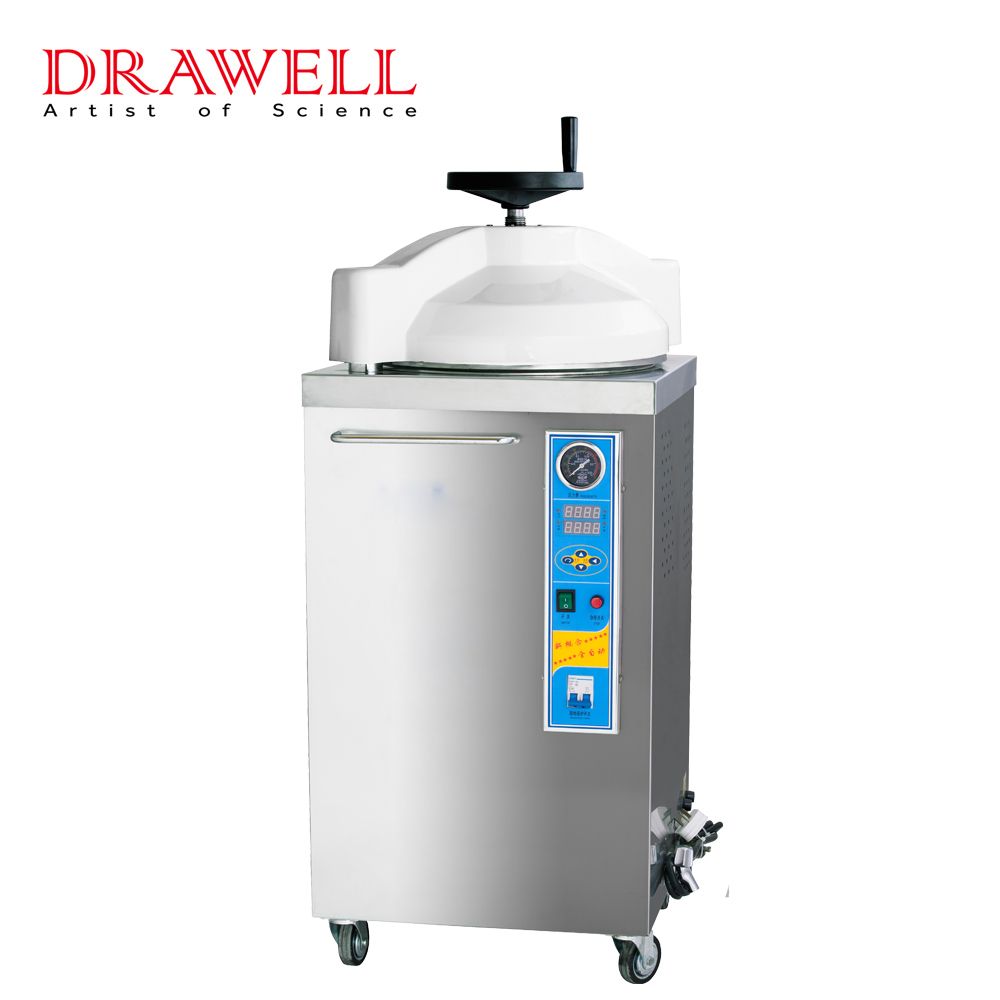
Before operating any autoclave system, familiarizing yourself with its fundamental components is essential. Each element plays a specific role in achieving successful sterilization outcomes.
Chamber Assembly
The chamber represents the core compartment where materials undergo sterilization. This sealed environment maintains the necessary pressure and temperature conditions required for effective microbial elimination.
Steam Generation System
This mechanism creates the pressurized steam that drives the entire sterilization process. The steam generator must produce consistent heat and pressure to ensure thorough sterilization of all loaded materials.
Control Systems for Pressure and Temperature
These integrated controls enable precise adjustment of sterilization parameters. Operators can customize pressure and temperature settings to match specific material requirements and sterilization protocols.
Safety Mechanisms
Modern autoclaves incorporate multiple safety features including pressure relief valves and emergency shutdown systems. These critical components prevent equipment damage and protect operators from potential hazards during operation.
Preparing Materials for Sterilization
Proper preparation before loading materials into the autoclave directly impacts sterilization effectiveness. Following systematic preparation procedures ensures optimal results and equipment longevity.
Chamber Cleaning Procedures
Begin by ensuring the autoclave chamber maintains cleanliness and remains free from debris. Residual materials or contaminants from previous cycles can interfere with sterilization effectiveness.
Clean all chamber surfaces, trays, and racks using manufacturer-approved cleaning solutions or appropriate disinfectants. This step removes any residue that could compromise the sterilization process.
Perform thorough rinsing to eliminate all cleaning agent traces, then wipe surfaces completely dry using lint-free cloths. Moisture management prevents unwanted chemical interactions during sterilization.
Water Level Verification
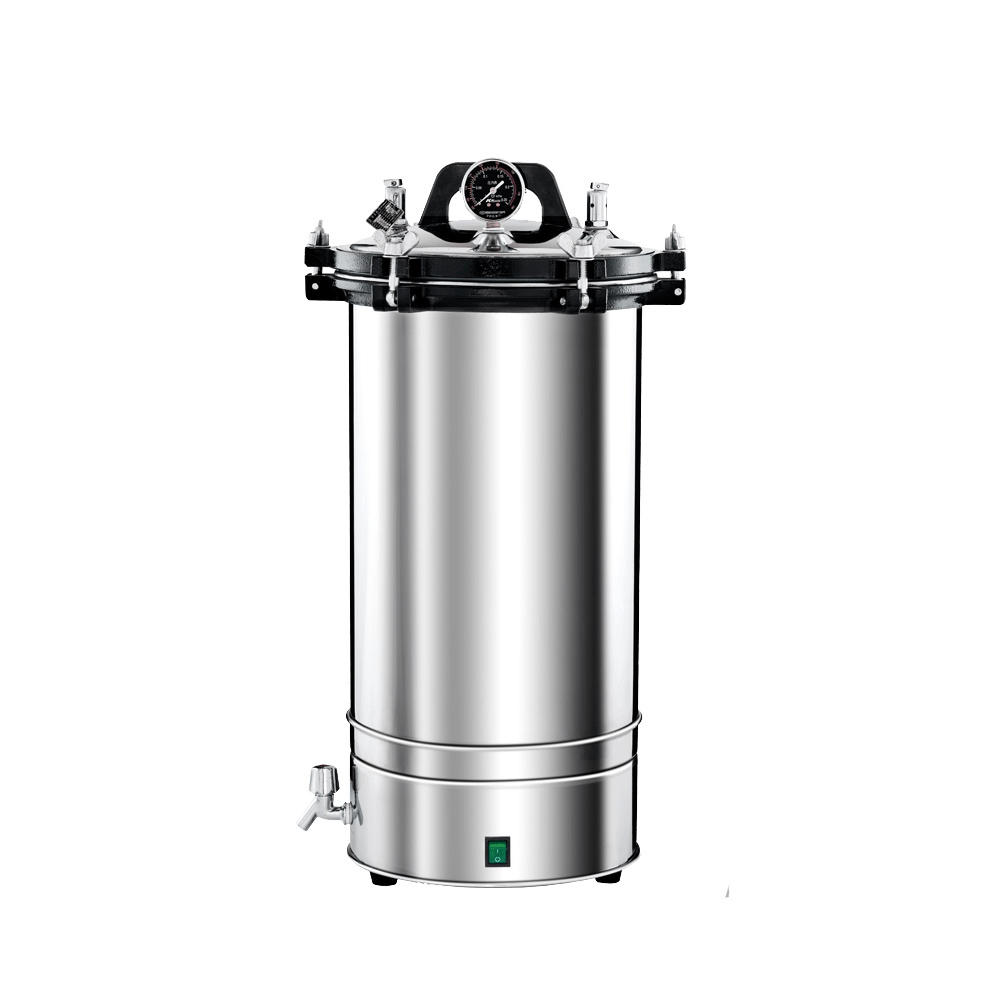
Verify the autoclave water reservoir contains adequate water volume according to manufacturer specifications. Sufficient water supply is essential for generating the steam required throughout the sterilization cycle.
When manufacturers specify water type requirements, use only distilled or deionized water. Using tap water can lead to mineral buildup that damages components and reduces operational efficiency over time.
Always follow manufacturer guidelines for maintaining proper water levels in either the reservoir or chamber to achieve optimal performance.
Material Selection and Compatibility
Gather all items designated for sterilization and verify their autoclave compatibility. Always consult manufacturer instructions or established guidelines to confirm material suitability before proceeding.
When using autoclave-safe containers or wraps, confirm they can withstand high temperatures and pressures without compromising integrity. Select packaging that permits adequate steam penetration to all surfaces.
Never overload containers, as this prevents proper steam circulation around items. Maintain sufficient space between components to facilitate complete sterilization coverage.
Strategic Chamber Loading
Open the autoclave chamber door carefully and position prepared items inside following proper arrangement principles.
Verify even material distribution throughout the chamber, avoiding stacking that restricts steam flow. Items should never create barriers preventing steam from reaching all chamber areas.
When utilizing autoclave trays or racks, arrange items systematically while maintaining appropriate spacing. This arrangement ensures comprehensive steam penetration for thorough sterilization.
Close and secure the chamber door completely, ensuring all gaskets and seals create an airtight environment. Proper sealing is absolutely critical for maintaining the necessary pressure during the cycle.
Establishing Critical Sterilization Parameters
After loading materials, configure the autoclave settings to match your specific sterilization requirements. Proper parameter selection determines sterilization effectiveness and material safety.
Temperature Configuration
Select appropriate temperature settings based on material type and sterilization protocol requirements. Standard sterilization typically occurs between 250°F and 275°F (121°C to 135°C). Higher temperatures accelerate sterilization but require careful consideration of material heat tolerance.
Pressure Settings
Adjust pressure controls to achieve levels corresponding with your selected temperature. Typical operating pressure ranges from 15 to 30 PSI. Proper pressure maintenance ensures steam penetration reaches all material surfaces effectively.
Exposure Time Determination
Program the exposure duration according to material load size, density, and sterilization requirements. Standard cycles typically run between 15 and 30 minutes at temperature. Dense or large loads may require extended exposure times for complete sterilization assurance.
Initiating the Sterilization Sequence
Once materials are loaded and parameters configured, you're ready to begin the sterilization cycle. Following proper startup procedures ensures smooth operation and successful outcomes.
Step 1: Perform a final verification of all settings and chamber door security before proceeding.
Step 2: Activate the autoclave by pressing the designated start button or following your model's specific startup procedure.
Step 3: Monitor the initial heating phase as the autoclave builds pressure and temperature to programmed levels.
Step 4: Observe pressure and temperature gauges to confirm the system reaches target parameters before the sterilization phase begins.
Managing the Complete Sterilization Cycle
Throughout the sterilization cycle, maintaining awareness of system operation ensures both safety and effectiveness. Active monitoring helps identify potential issues before they impact results.
Continuous Monitoring
Regularly check pressure and temperature displays during the cycle. Verify readings remain within acceptable ranges throughout the sterilization phase.
Alert Response
Remain attentive to warning indicators or alarm signals from the autoclave. Any alerts require immediate attention and appropriate corrective action.
Cycle Completion
Wait for the autoclave to complete its programmed cycle entirely, including cooling and depressurization phases, before attempting to access materials.
Safe Material Removal
After cycle completion and pressure normalization, carefully open the chamber door. Allow steam to dissipate completely before reaching inside.
Always use appropriate heat-resistant protective equipment when removing sterilized materials. Items retain significant heat immediately following the cycle completion.
Place removed materials in designated cooling areas, allowing them to reach safe handling temperatures before storage or use. Never rush the cooling process.
Ensuring Safety Throughout Operations
Autoclave operation involves high temperatures and pressures that demand strict adherence to safety protocols. Implementing proper safety measures protects both operators and equipment.
Critical Safety Reminders
- Never attempt opening the chamber door while the system maintains pressure. Always wait for complete depressurization.
- Wear appropriate personal protective equipment including heat-resistant gloves and safety glasses during all operations.
- Keep your work area properly ventilated to prevent steam accumulation when opening the chamber.
- Never sterilize materials containing flammable, explosive, or reactive chemicals in standard autoclaves.
- Schedule regular maintenance and safety inspections according to manufacturer recommendations.
Emergency Procedures
Familiarize yourself with emergency shutdown procedures and the location of safety equipment before operating the autoclave. Know how to respond to pressure anomalies, steam leaks, or equipment malfunctions. Keep emergency contact information readily accessible and ensure all operators receive comprehensive safety training before independent equipment operation.
Essential Takeaways
Mastering effective autoclave operation requires understanding fundamental components, following meticulous preparation procedures, and maintaining strict safety protocols throughout every cycle. Success depends on proper material loading, accurate parameter configuration, and continuous monitoring during sterilization.
By implementing the comprehensive guidelines outlined in this guide, you ensure reliable sterilization results while protecting both personnel and equipment. Regular maintenance, proper training, and adherence to manufacturer specifications form the foundation of successful autoclave operations.
Remember that each autoclave model may have specific operational requirements, so always consult your equipment's user manual alongside these general best practices for optimal performance and safety compliance.
Ready to Upgrade Your Sterilization Equipment?
Discover professional-grade autoclaves designed for reliability and performance
Tuttnauer T-Classic 9