
Discover how convection technology transforms your cooking experience and elevates your culinary results
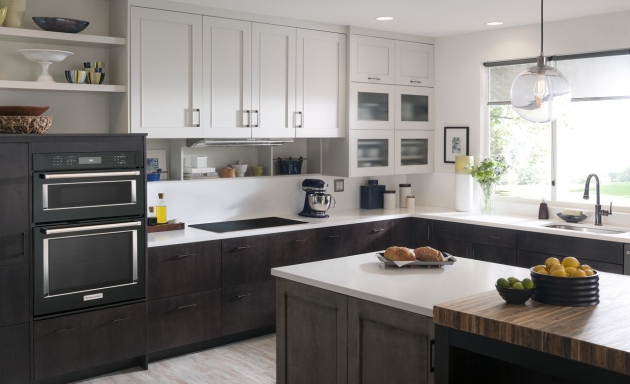
In today's modern kitchens, convection ovens have become essential appliances that revolutionize the way we prepare food. These innovative cooking devices represent a significant advancement in culinary technology, offering superior heat distribution and efficiency that traditional ovens simply cannot match. Understanding the fundamentals of convection cooking opens up a world of possibilities for both amateur home cooks and seasoned culinary professionals.
The beauty of convection technology lies in its sophisticated yet straightforward approach to cooking. By incorporating a specialized fan system and exhaust mechanism, these ovens create an environment where heat circulates continuously throughout the cooking chamber, ensuring that every dish receives uniform thermal treatment from all angles.
The Technology Behind Convection Cooking
How the System Functions
The operational principle centers around a powerful fan integrated within the oven cavity that continuously moves heated air throughout the cooking space. This constant circulation eliminates temperature inconsistencies that plague conventional ovens, where hot and cold spots can lead to uneven cooking results. The exhaust component works in harmony with the fan, managing air flow patterns and maintaining optimal cooking conditions throughout the entire process.
Thermal Distribution Excellence
Unlike traditional ovens that rely solely on radiant heat from top and bottom elements, convection systems create a dynamic cooking environment. The circulating air envelops food items from every direction, transferring heat more efficiently and reducing overall cooking duration. This comprehensive heat coverage means faster preparation times and more consistent outcomes across different types of dishes.
Varieties of Convection Oven Systems
The market offers several distinct categories of convection ovens, each designed with specific applications in mind. Standard convection models feature integrated fan systems with microwave capabilities and conventional oven functions. True convection ovens, often called European convection systems, incorporate an additional heating element near the fan for enhanced performance. Professional-grade models cater to commercial operations and serious home chefs who demand exceptional baking capabilities.
When selecting the optimal convection oven for your needs, consider the intended use cases. Models designed for frequent baking and roasting typically offer more precise temperature control and additional rack positions, while units focused on versatility provide multiple cooking modes to accommodate various culinary techniques.
Experience professional-grade convection cooking with advanced thermal distribution technology
Unox Anna Convection OvenPerfect Applications for Convection Technology
Baking Applications
Convection ovens excel in baking scenarios due to their ability to maintain consistent temperatures throughout the cooking chamber. The circulating air ensures that baked goods like cookies, cakes, and pastries receive even heat exposure, resulting in uniform browning and texture. This is particularly advantageous when preparing delicate items that require precise thermal control, such as croissants or crispy pizza crusts that benefit from the enhanced air circulation promoting superior crust development.
Roasting Excellence
The preparation of meats and vegetables reaches new heights with convection technology. The continuous air movement facilitates superior browning and helps develop rich, caramelized surfaces on proteins while maintaining moisture within. Whether roasting a whole chicken or preparing a medley of seasonal vegetables, the efficient heat transfer ensures thorough cooking on all surfaces. Tender meats develop beautiful golden-brown exteriors while the circulating heat penetrates to cook the interior perfectly.
Dehydration Capabilities
Convection ovens provide exceptional performance when dehydrating fruits, vegetables, and even meats for preservation. The controlled air circulation removes moisture efficiently while maintaining lower temperatures that prevent cooking. This makes them ideal for creating homemade dried fruits, vegetable chips, and beef jerky. The dehydration time is significantly reduced compared to conventional methods, and the even air distribution prevents moisture pockets that could lead to spoilage.
Superior Reheating Performance
For reheating prepared dishes, convection ovens deliver results that far surpass microwave methods. The gentle, circulating heat revitalizes food without creating soggy textures or dried-out surfaces. Previously cooked meals regain their original appeal, with heated ingredients maintaining their intended consistency. The even heat distribution ensures that dishes are thoroughly warmed while preserving the quality and texture that made them delicious initially.
Mastering Convection Oven Techniques
Temperature Modifications
When adapting traditional recipes for convection cooking, reduce the temperature by approximately 25 degrees. This adjustment compensates for the more efficient heat transfer and prevents over-browning. The enhanced circulation means food cooks more quickly at lower temperatures, helping preserve moisture while achieving excellent results.
Timing Adjustments
Monitor cooking progress carefully as convection ovens typically reduce preparation time. Foods generally cook faster due to the efficient heat distribution, so checking dishes slightly before the recipe's stated completion time proves beneficial. This vigilance helps achieve perfect doneness without overcooking.
Cookware Selection
Optimal results come from using shallow pans and trays that allow maximum air circulation around food items. Avoid deep, covered dishes that can impede air flow. Low-sided baking sheets work exceptionally well, as they permit the circulating air to reach all surfaces of the food effectively.
Preventing Common Issues
Position items in the oven to maximize air circulation by ensuring adequate space around each dish. Overcrowding restricts air flow and compromises the convection advantage. When multiple items require cooking simultaneously, arrange them strategically to maintain proper spacing.
Exercise caution with delicate items that might be affected by strong air currents. Light batters or loosely placed toppings can shift during cooking. For such preparations, conventional oven settings may prove more suitable, or adjustments to positioning and covering may be necessary.
Exploring Settings and Capabilities
Modern convection ovens feature various control options tailored to specific cooking methods. These include dedicated settings for convection baking, roasting, and combination modes. Some advanced models offer convection broiling that pairs the fan system with intense top heat for exceptional browning capabilities. Understanding and experimenting with these different configurations allows you to optimize results for specific dishes.
Personal experimentation with your specific convection oven model remains essential for mastering its capabilities. Each unit has unique characteristics, and becoming familiar with temperature adjustments and timing modifications for your favorite recipes leads to consistently excellent outcomes.
Maximizing Your Convection Oven Investment
Incorporating a convection oven into your kitchen represents a valuable enhancement to your culinary capabilities. The technology offers remarkable versatility across numerous cooking applications, from baking and roasting to dehydrating and reheating. Its ability to distribute heat evenly while reducing cooking times makes it an indispensable tool for those who appreciate efficiency without compromising quality.
Understanding the fundamental differences between convection and conventional cooking methods empowers you to make informed decisions about when to utilize this advanced technology. Whether preparing everyday meals or tackling ambitious culinary projects, the benefits of even heat distribution and accelerated cooking times become increasingly apparent with regular use.
When contemplating a new convection oven purchase or upgrading your current equipment, dedicating time to explore the available features and understand the operational benefits ensures you select the model that best aligns with your cooking style and requirements. Professional consultation can provide additional guidance in identifying the optimal solution for your specific needs.
Connect with kitchen appliance specialists to discover how advanced convection technology can elevate your cooking experience and expand your culinary possibilities.