
Transform your commercial kitchen with the perfect convection oven solution for your business needs
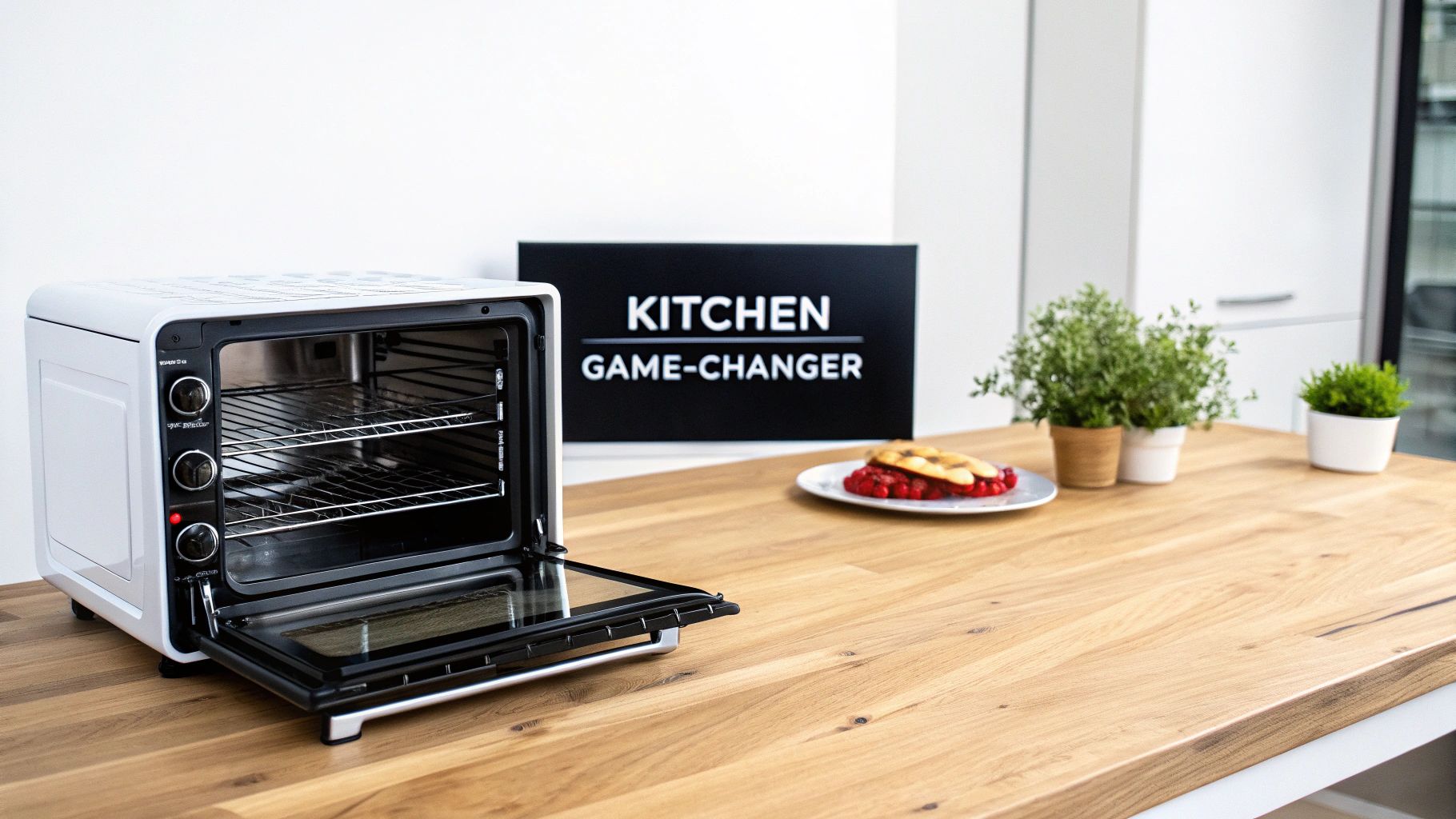
In the fast-paced world of commercial food service, efficiency and consistency are paramount. Tabletop convection ovens have emerged as indispensable tools for restaurants, cafes, bakeries, and catering operations seeking to maximize their kitchen productivity without sacrificing valuable floor space. These compact powerhouses deliver professional-grade cooking performance while fitting seamlessly into even the most space-constrained environments.
Whether you're operating a bustling restaurant, a boutique bakery, or a mobile food service, understanding the capabilities and features of tabletop convection ovens will help you make an informed investment that enhances your culinary operations for years to come.
Understanding Convection Cooking Technology
Convection cooking represents a revolutionary advancement in commercial food preparation. Unlike traditional static ovens that rely solely on radiant heat, convection ovens incorporate powerful fans that continuously circulate hot air throughout the cooking chamber. This constant air movement creates an envelope of consistent heat around your food, resulting in remarkably even cooking, faster preparation times, and superior browning.
The science behind convection cooking is elegantly simple yet remarkably effective. As the fan circulates heated air, it prevents the formation of cool zones and eliminates hot spots that plague conventional ovens. This uniform heat distribution means your pastries brown evenly, your roasted vegetables caramelize perfectly, and your baked goods rise consistently regardless of their position on the rack.
Moreover, convection ovens typically operate at temperatures that are lower than traditional ovens while achieving the same or better results in less time. This efficiency translates directly to energy savings and increased kitchen productivity—critical factors in any commercial operation.
 Key Advantages of Tabletop Convection Ovens
Space Efficiency
Tabletop convection ovens maximize your kitchen's functionality without consuming valuable floor space. These compact units can be positioned on countertops, prep tables, or dedicated equipment stands, making them ideal for operations with limited square footage or those requiring flexible kitchen layouts.
Cooking Speed
The circulating hot air in convection ovens can reduce cooking times by up to thirty percent compared to conventional ovens. This acceleration means faster service, increased throughput, and the ability to handle peak demand periods more effectively—crucial advantages in competitive food service environments.
Consistent Results
Uniform heat distribution eliminates the need for rotating pans or adjusting rack positions during cooking. Every item receives the same thermal treatment, ensuring consistent quality across every batch and reducing the variability that can occur with less sophisticated equipment.
Energy Efficiency
Lower operating temperatures combined with reduced cooking times translate to significant energy savings over the lifetime of the equipment. Modern tabletop convection ovens are engineered for optimal thermal efficiency, helping you control operating costs while maintaining peak performance.
Versatility
From delicate pastries to hearty roasts, tabletop convection ovens handle an impressive range of culinary tasks. Their adaptability makes them suitable for diverse menu offerings and allows operators to consolidate multiple cooking functions into a single, efficient appliance.
Enhanced Browning
The continuous air circulation promotes superior surface browning and crisping. This capability is particularly valuable for achieving that sought-after golden finish on baked goods, creating appealing crusts on roasted items, and developing rich caramelization on vegetables and proteins.
Essential Features to Consider
Capacity and Dimensions
Selecting the appropriate capacity requires careful consideration of your operational needs. Evaluate your typical batch sizes, peak service volumes, and available counter space. Tabletop models typically accommodate between three and five full-size sheet pans, offering substantial cooking capacity while maintaining a compact footprint. Measure your available space carefully, accounting for ventilation clearances and door swing radius.
Temperature Range and Control
Professional-grade convection ovens should offer a broad temperature spectrum, typically ranging from low settings around one hundred fifty degrees Fahrenheit up to maximum temperatures of five hundred degrees or higher. Digital controls provide precise temperature management, while programmable settings allow you to save frequently used cooking profiles for consistent results and streamlined operation.
Construction Quality
Commercial environments demand robust construction. Look for units featuring stainless steel interiors and exteriors, which offer superior durability, corrosion resistance, and ease of cleaning. Heavy-duty door hinges, reinforced glass windows, and solid construction throughout ensure your investment withstands the rigors of daily commercial use.
Steam Injection Capability
Advanced models offer steam injection features that expand your culinary possibilities significantly. Steam injection creates the ideal environment for artisan bread baking, producing crispy crusts with soft interiors. This feature also benefits other applications, from revitalizing day-old baked goods to preparing moist, tender proteins and vegetables.
Ventilation Requirements
Understanding ventilation requirements is crucial for proper installation and code compliance. Many tabletop convection ovens feature ventless designs or require minimal ventilation, making them suitable for locations where traditional hood systems are impractical or unavailable. Always verify local regulations and manufacturer specifications to ensure proper installation.
Diverse Applications Across Food Service Operations
Bakeries and Pastry Operations
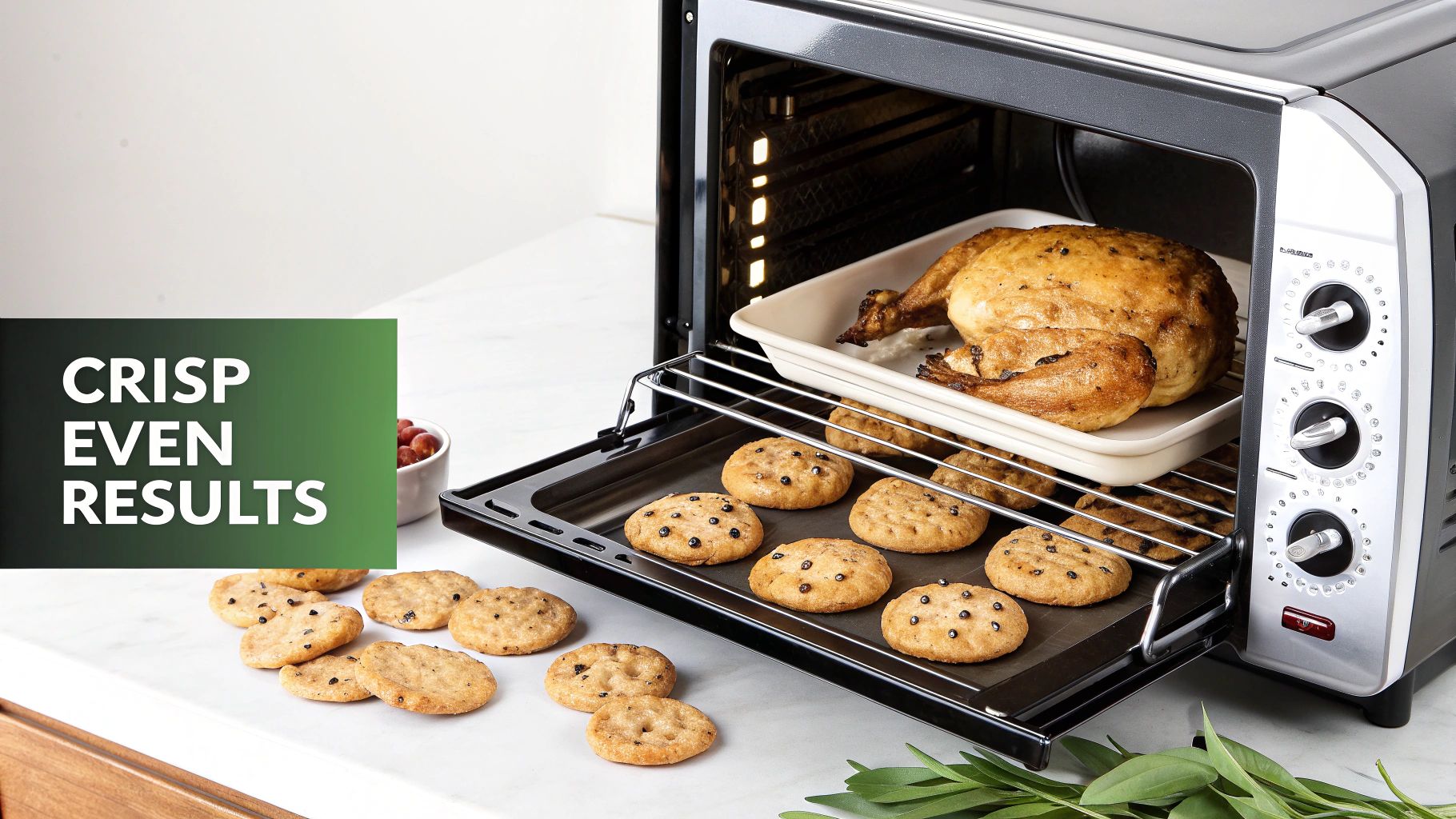
Bakeries depend on precise, consistent heat for perfect results. Convection ovens excel at producing evenly browned croissants, uniformly risen muffins, and perfectly baked cookies. The ability to bake multiple trays simultaneously without rotating increases productivity during busy morning rushes, while steam injection capabilities enhance bread crust development and crumb structure.
Restaurants and Cafes
Restaurant kitchens benefit from the remarkable versatility of tabletop convection ovens. These units handle everything from roasting vegetables and proteins to reheating prepared dishes while maintaining quality. Their compact size makes them ideal as supplementary cooking equipment during peak service periods or as primary ovens in smaller establishments with limited kitchen space.
Catering and Events
Caterers appreciate the portability and reliability of tabletop convection ovens. These units can be transported to event venues, providing on-site cooking capabilities that ensure food is served at optimal temperature and quality. Their quick heat-up times and consistent performance make them invaluable for executing complex event menus under time constraints.
Pizzerias and Quick Service
While specialized pizza ovens have their place, convection ovens offer excellent performance for thin-crust pizzas, flatbreads, and other quick-service items. The even heat distribution ensures consistent browning from edge to center, while rapid cooking times support high-volume operations during rush periods.
Healthcare and Institutional Facilities
Hospitals, schools, and other institutional kitchens value the efficiency and consistency of convection cooking. These facilities often prepare large quantities of food on demanding schedules, making the speed and reliability of convection ovens essential for meeting service requirements while maintaining food quality standards.
Maintenance and Care Best Practices
Proper maintenance extends the operational life of your convection oven while ensuring consistent performance. Implementing a regular maintenance schedule prevents costly repairs and maintains food quality standards.
Daily Cleaning Procedures
After each service period, allow the oven to cool to a safe temperature, then wipe down interior surfaces with appropriate commercial cleaning solutions. Remove and clean racks, trays, and any removable components. Clean the door glass and seals to maintain visibility and ensure proper closure. Address spills and splatters promptly to prevent buildup that becomes increasingly difficult to remove over time.
Weekly Deep Cleaning
Schedule comprehensive weekly cleaning sessions that include degreasing interior surfaces, cleaning fan blades and motors (following manufacturer guidelines), and inspecting door seals for wear or damage. Check and clean ventilation systems to ensure proper airflow. This regular attention prevents the accumulation of grease and food particles that can affect performance and create fire hazards.
Preventive Maintenance Schedule
Establish a preventive maintenance program that includes regular professional inspections. Qualified technicians should examine electrical connections, verify temperature accuracy with calibrated thermometers, inspect fan motors and belts, and assess overall component condition. Many issues can be identified and addressed during routine maintenance, preventing unexpected breakdowns during critical service periods.
Troubleshooting Common Issues
Familiarize yourself with common convection oven issues and their solutions. Uneven cooking may indicate fan problems or blocked vents. Extended cooking times could signal heating element issues or incorrect temperature calibration. Strange noises might indicate worn bearings or loose components. Addressing these symptoms promptly prevents minor issues from escalating into major equipment failures.
Maximizing Performance: Operational Tips and Techniques
Proper Preheating
Always preheat your convection oven to the desired temperature before loading food. This practice ensures consistent results from the moment cooking begins. Most commercial convection ovens reach operating temperature within ten to fifteen minutes, making this step quick and efficient. Use this preheating time to prepare ingredients and organize your cooking sequence.
Temperature Adjustments
When adapting recipes from conventional ovens, reduce the temperature by approximately twenty-five degrees Fahrenheit or decrease cooking time by roughly twenty-five percent. Monitor results carefully during initial attempts and adjust as needed. Keep detailed records of successful conversions to streamline future production and train kitchen staff effectively.
Strategic Pan Placement
Although convection ovens cook evenly, proper pan placement optimizes airflow and results. Avoid overloading the oven or blocking air circulation paths. Leave adequate space between pans and the oven walls to allow hot air to circulate freely. When cooking multiple items simultaneously, group similar products that require comparable temperatures and cooking times.
Monitoring and Documentation
Maintain cooking logs that record temperatures, times, and results for different menu items. This documentation creates a valuable reference library that ensures consistency across shifts and helps train new staff members. Regular monitoring also helps identify potential equipment issues before they affect food quality or service capability.
Staff Training and Safety
Comprehensive staff training is essential for safe, efficient operation. Ensure all operators understand proper loading procedures, temperature settings, and safety protocols. Emphasize the importance of using appropriate protective equipment when handling hot items and surfaces. Regular refresher training reinforces best practices and maintains operational standards.
Making the Right Investment for Your Operation
Selecting a tabletop convection oven represents a significant investment in your operation's future. Consider these factors to ensure you choose equipment that meets your current needs while accommodating future growth.
Assessing Your Needs
Begin by analyzing your menu, production volume, and kitchen workflow. Calculate your peak capacity requirements and determine how a convection oven fits into your overall equipment plan. Consider whether you need steam injection, programmable controls, or other advanced features. Honest assessment of your operational requirements prevents both under-buying equipment that limits your capabilities and over-investing in features you won't utilize.
Quality and Reliability
Commercial equipment represents a long-term investment, making quality and reliability paramount considerations. Research manufacturers' reputations, read reviews from operators in similar environments, and evaluate warranty coverage. Equipment from established manufacturers typically offers better parts availability, service support, and overall longevity, factors that significantly impact total cost of ownership.
Energy Efficiency and Operating Costs
Evaluate the energy consumption characteristics of different models. While energy-efficient units may carry higher initial costs, reduced operating expenses accumulate substantial savings over the equipment's lifetime. Consider electrical requirements, ensuring your facility's power infrastructure can support your chosen model without costly upgrades.
Service and Support
Research available service support in your area. Equipment downtime directly impacts your ability to serve customers and generate revenue. Manufacturers and dealers with robust service networks, readily available parts, and responsive technical support minimize disruption when maintenance or repairs become necessary. This consideration often proves more valuable than modest initial cost savings.
Experience Professional-Grade Convection Cooking
The Unox Anna Linemicro Convection Oven delivers exceptional performance in a compact, countertop design. With precise temperature control, efficient operation, and professional-grade construction, this oven empowers your culinary team to achieve consistent, outstanding results.
Unox Anna Linemicro OvenInnovation and Future Developments
The commercial cooking equipment industry continues advancing, with manufacturers introducing innovations that enhance functionality, efficiency, and user experience. Understanding these trends helps operators make forward-thinking investment decisions.
Smart Technology Integration
Modern convection ovens increasingly feature connectivity capabilities, allowing remote monitoring, automated recipe execution, and performance tracking. These smart features provide valuable data on equipment utilization, energy consumption, and maintenance needs, enabling more informed operational decisions and predictive maintenance scheduling.
Enhanced Energy Efficiency
Manufacturers continue improving thermal efficiency through better insulation, more efficient heating elements, and optimized airflow designs. These advancements reduce environmental impact while lowering operating costs, aligning with both sustainability goals and practical business considerations.
Multi-Function Capabilities
Next-generation equipment increasingly combines multiple cooking methods within single units. Ovens that integrate convection, steam, and even microwave technologies provide unprecedented versatility, allowing operators to consolidate equipment and expand menu capabilities within limited kitchen footprints.
Conclusion: Elevating Your Culinary Operations
Tabletop convection ovens represent one of the most versatile and valuable investments available to modern food service operations. Their combination of compact dimensions, impressive capacity, energy efficiency, and consistent performance addresses the core challenges facing commercial kitchens today: limited space, demanding production schedules, and the constant need to deliver quality results.
Whether you operate a bustling bakery, a sophisticated restaurant, an institutional facility, or a mobile catering service, the right convection oven enhances your capabilities while streamlining operations. By understanding the technology, evaluating features carefully, and selecting equipment that aligns with your operational needs, you position your business for sustained success.
The investment in quality convection equipment extends beyond the initial purchase. With proper maintenance, operator training, and attention to best practices, these reliable workhorses deliver years of dependable service, becoming integral partners in your culinary operation's success story.
As you consider your equipment needs and future plans, remember that the right tabletop convection oven does more than cook food—it enhances consistency, improves efficiency, expands capabilities, and ultimately contributes to the quality and reputation that define your operation. Choose wisely, maintain diligently, and watch as this essential tool transforms your kitchen's productivity and output quality.