
Everything You Need to Know for Efficient Home Heating
Are you thinking about installing a wood burning stove? Whether you're seeking a sustainable heating solution for your property or looking to reduce energy costs while adding a cozy atmosphere to your space, a wood stove can be an excellent investment for years to come.
With the rising costs of conventional heating, many homeowners are turning to wood burning stoves as their primary heat source. This comprehensive guide covers everything from understanding the benefits and costs to proper usage, maintenance, and environmental considerations to help you make an informed decision.
Why Choose a Wood Burning Stove?
Wood burning stoves offer numerous advantages that make them an attractive heating option for modern homes. Installing a wood stove provides a dependable and economical way to heat your home, particularly in areas where other heating sources may be expensive or unreliable.
Beyond the practical benefits, there's something uniquely satisfying about gathering around a real fire. The ambiance created by dancing flames and radiant warmth transforms any room into a welcoming retreat. Wood stoves deliver authentic heat that penetrates deeper than conventional heating systems, creating a comfortable environment throughout your space.
Cost-Effective Heating
Wood fuel is significantly more affordable than electricity, gas, or oil. Once installed, your wood stove can provide decades of economical heating, with many models paying for themselves within just a few heating seasons.
Environmental Benefits
Modern wood stoves are remarkably efficient and environmentally responsible. When sourced sustainably, wood is a carbon-neutral fuel that produces minimal emissions compared to fossil fuels.
Energy Independence
With a wood burning stove, you're not dependent on utility companies or vulnerable to power outages. Your heating remains reliable regardless of external circumstances.
Property Value
A well-installed wood burning stove can increase your property's market value. Buyers appreciate the combination of reduced heating costs and the aesthetic appeal of a genuine fireplace.
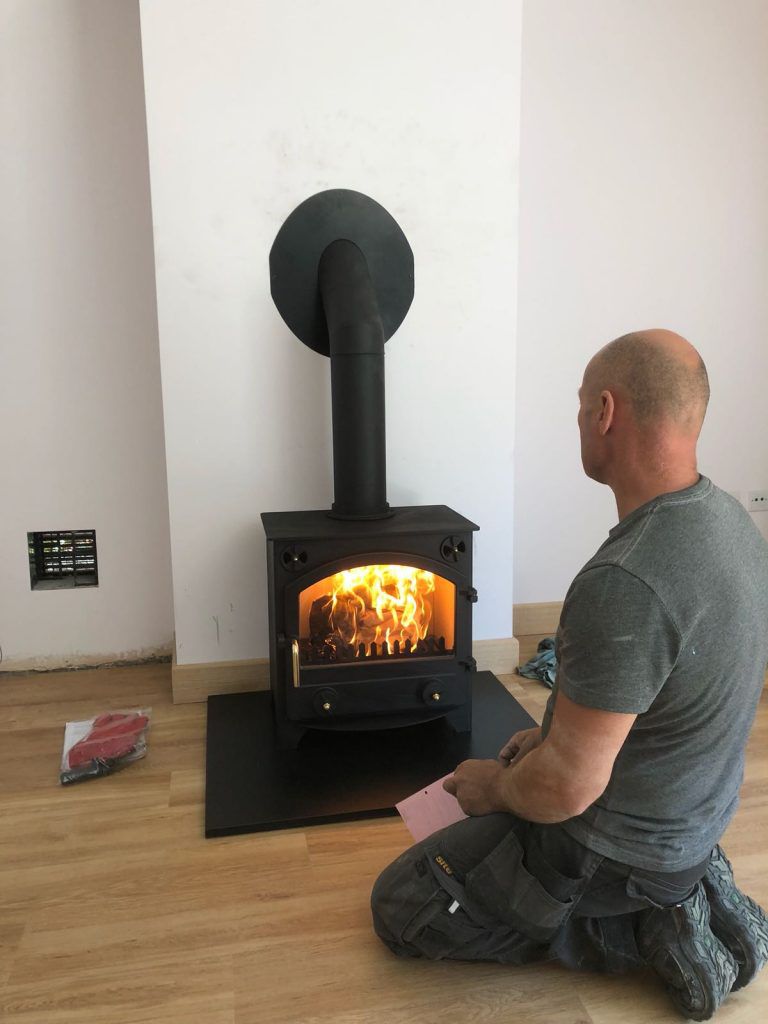
Understanding Wood Stove Costs
The investment in a wood burning stove varies based on several factors, including the stove model, installation complexity, flue requirements, and your property's specific needs. While the initial outlay might seem substantial, it's important to consider the long-term savings and value.
A quality wood stove installation typically includes the stove unit itself, the flue system, hearth preparation, and professional installation. Premium models with advanced features like catalytic combustors or large viewing windows will command higher prices, but they also deliver superior efficiency and performance that can translate into greater fuel savings over time.
Investment Breakdown
Stove Unit: The core appliance, ranging from basic to premium models with advanced combustion systems
Installation: Professional setup ensuring proper venting, safety clearances, and optimal performance
Flue System: Chimney or flue pipe installation to safely exhaust combustion gases
Hearth & Surrounds: Non-combustible flooring and wall protection for safety compliance
Operating Your Wood Burning Stove
Using a wood burning stove effectively requires understanding proper techniques for starting, maintaining, and extinguishing fires. While the process becomes second nature with experience, following best practices ensures maximum efficiency, safety, and longevity of your stove.
The key to successful operation lies in using the right fuel, managing airflow correctly, and maintaining appropriate burning temperatures. These fundamentals will help you achieve clean, efficient burns that maximize heat output while minimizing smoke and creosote buildup.
Step 1: Prepare Your Stove
Begin by ensuring your stove is clean and the ash pan has been emptied. Check that all air vents are functioning properly and that the flue damper is open to allow proper draft.
Step 2: Build the Fire
Start with crumpled newspaper or natural firestarters at the base. Layer small kindling wood on top, followed by slightly larger pieces. Light the fire from the bottom and allow it to establish before adding larger logs. The top-down burning method can also be highly effective, reducing smoke and improving efficiency.
Step 3: Establish Proper Airflow
Once your fire is burning well, gradually adjust the air controls to achieve optimal combustion. Too much air creates excessive flames and wastes fuel, while too little air produces smoke and incomplete burning. Aim for bright, lively flames with minimal smoke.
Step 4: Maintain the Fire
Add logs as needed, waiting until previous logs have burned down to a bed of hot coals before refueling. Place new logs toward the rear of the firebox on top of the ember bed. Avoid overloading the stove, which can reduce efficiency and increase emissions.
Step 5: Monitor Temperature
Many wood stoves benefit from a stove thermometer to monitor operating temperature. Maintain temperatures in the optimal range – typically between 250°F and 475°F on the stove surface. This ensures efficient burning without risking damage to your stove or excessive creosote formation
Choosing the Right Wood Fuel
The type and quality of wood you burn directly impacts your stove's performance, efficiency, and maintenance requirements. Using properly seasoned hardwood is essential for achieving clean, efficient burns that produce maximum heat with minimal smoke and creosote.
Seasoned hardwoods like oak, maple, ash, and birch are ideal choices. These dense woods burn longer and hotter than softwoods, providing more heat per log. The wood should be dried for at least 6-12 months after splitting, reaching a moisture content below 20% for optimal combustion.
✓ Best Fuels
- Seasoned hardwood logs (oak, ash, maple)
- Moisture content below 20%
- Split logs 3-6 inches in diameter
- Properly stored, dry wood
- Certified kiln-dried logs
✗ Avoid These
- Wet or green wood (unseasoned)
- Painted or treated lumber
- Plywood or particleboard
- Driftwood or saltwater-contaminated wood
- Excessive softwoods (pine, spruce)
Pro Tip: Testing Wood Moisture
Invest in an inexpensive moisture meter to verify your wood is properly seasoned. Simply insert the meter's probes into a freshly split piece of wood. Readings below 20% indicate the wood is ready to burn. Wet wood not only produces less heat but also creates excessive smoke and dangerous creosote buildup in your chimney.
Maintaining Your Wood Stove
Regular maintenance is crucial for safe, efficient operation and extending the life of your wood burning stove. A well-maintained stove performs better, uses less fuel, and poses fewer safety risks. Establishing a routine maintenance schedule ensures your heating system operates at peak performance throughout the burning season.
Most maintenance tasks are straightforward and can be performed by homeowners, though professional chimney sweeping and annual inspections are highly recommended for safety and optimal performance.
Maintenance Schedule
Daily Tasks
- Remove ash buildup when needed
- Check door seals and gaskets
- Inspect glass for excessive soot
Weekly Tasks
- Clean the glass door thoroughly
- Empty and clean ash pan completely
- Inspect baffle plate condition
Monthly Tasks
- Check flue and chimney for buildup
- Inspect door hinges and latches
- Test air control mechanisms
Annual Tasks
- Professional chimney sweeping
- Replace worn gaskets and seals
- Full safety inspection
⚠ Important Safety Note
Creosote buildup in chimneys is a leading cause of chimney fires. Have your chimney professionally inspected and swept at least once annually, or more frequently if burning primarily softwoods or if you notice significant buildup. Never attempt to burn out creosote deposits, as this can cause dangerous chimney fires.
Cleaning Your Stove Glass
A clear viewing window enhances the aesthetic appeal of your wood stove and allows you to monitor the fire effectively. Glass blackening is normal with use, but excessive soot buildup can indicate combustion issues such as burning wet wood, insufficient air supply, or temperatures that are too low.
Modern wood stoves often feature airwash systems that help keep glass clean during operation by directing air across the inside surface. However, periodic cleaning is still necessary. Here's how to maintain crystal-clear glass:
Effective Cleaning Method
- Wait for the stove to cool completely – Never clean hot glass, as thermal shock can cause cracking
- Dampen a cloth or paper towel and dip it in fine wood ash from your stove
- Gently scrub the glass in circular motions – the ash acts as a mild abrasive
- Wipe clean with a damp cloth to remove all residue
- Buff with a dry cloth for a streak-free finish
Prevention Tip: Burning only dry, seasoned wood at proper temperatures dramatically reduces glass sooting. If your glass requires frequent cleaning, evaluate your fuel quality and burning technique.
Health and Environmental Considerations
When used responsibly and maintained properly, wood burning stoves can be an environmentally sound heating choice. Modern EPA-certified stoves burn significantly cleaner than older models, reducing particulate emissions by up to 90%. However, proper operation is essential to minimize environmental impact and maintain healthy indoor air quality.
Wood is considered a carbon-neutral fuel when sourced sustainably. Trees absorb carbon dioxide as they grow, and burning wood releases roughly the same amount of CO2 that would be released through natural decomposition. This makes wood heating a renewable option compared to fossil fuels, provided forests are managed responsibly.
Environmental Benefits
- Carbon-neutral when using sustainably sourced wood
- Renewable fuel source unlike fossil fuels
- Supports local forestry management
- Reduces dependence on grid electricity
- Modern stoves produce minimal emissions
Best Practices
- Burn only clean, dry, seasoned wood
- Maintain proper combustion temperatures
- Ensure adequate ventilation in your space
- Install carbon monoxide detectors
- Schedule regular chimney inspections
Indoor Air Quality
While properly operated wood stoves pose minimal risk, it's important to maintain good ventilation and install carbon monoxide and smoke detectors near the stove. If you notice smoke entering your living space, excessive sooting, or unusual odors, discontinue use immediately and have your system inspected by a professional.
Regulations and Installation Requirements
Wood burning stove installations must comply with local building codes and regulations to ensure safety and proper operation. These requirements vary by region but generally address clearances to combustible materials, chimney specifications, hearth construction, and ventilation standards.
In many areas, wood stoves must be EPA-certified, meeting strict emissions standards. Professional installation is strongly recommended and often required for insurance purposes. A certified installer will ensure your stove meets all local codes, operates safely, and performs optimally.
Before purchasing a wood stove, check with your local building department about specific requirements in your area. Some jurisdictions have restrictions on wood burning during high pollution days or may require permits for installation. Understanding these regulations upfront prevents costly modifications later.
Key Installation Considerations
Clearances
Minimum distances from combustible walls, furniture, and other materials must be maintained for safety
Hearth Protection
Non-combustible floor protection extending beyond the stove footprint is required
Chimney Height
Proper chimney height and termination ensure adequate draft and prevent downdrafts
Fresh Air Supply
Adequate combustion air intake is essential for efficient burning and preventing backdrafts
Sustainability and Wood Sourcing
The sustainability of wood heating depends heavily on responsible sourcing practices. Wood is genuinely renewable only when forests are managed properly and trees are replanted at rates that exceed harvest. Fortunately, many regions have excellent forestry management programs that ensure sustainable wood production.
Consider these sustainable approaches to fuel sourcing: purchase from certified sustainable forestry operations, use wood from tree removal or storm damage, process deadfall and diseased trees from your own property, or participate in local firewood co-ops. These methods ensure your heating doesn't contribute to deforestation.
Responsible Wood Burning
By combining sustainable wood sourcing with efficient burning practices using a modern EPA-certified stove, you create a heating system with minimal environmental impact. This approach reduces your carbon footprint compared to fossil fuel heating while supporting local forestry and rural economies.
Selecting the Right Stove Size
Choosing the appropriately sized wood burning stove is critical for efficiency, comfort, and cost-effectiveness. An undersized stove will struggle to heat your space adequately and require constant refueling, while an oversized unit may lead to inefficient operation as you're forced to burn it at reduced capacity to avoid overheating.
Stove capacity is typically measured in square footage of heating area or BTU output. However, several factors beyond simple square footage influence the right size choice: ceiling height, insulation quality, climate zone, floor plan openness, window quantity and quality, and whether the stove serves as primary or supplemental heat.
General Sizing Guidelines
Small Stoves
Up to 1,000 sq ft
Ideal for cabins, single rooms, or small apartments
Medium Stoves
1,000-2,000 sq ft
Suitable for average homes and moderate climates
Large Stoves
2,000+ sq ft
Best for larger homes, open floor plans, or harsh climates
Professional Assessment Recommended
While these guidelines provide a starting point, consulting with a professional installer or heating specialist ensures you select the optimal stove for your specific situation. They can evaluate your home's unique characteristics and recommend the perfect size for maximum efficiency and comfort.
Featured Wood Burning Stove
Ashley 3,200 Sq. Ft. Large Pedestal Wood Stove
Looking for a powerful, efficient wood burning stove that can heat large spaces? The Ashley AW3200E-P is an EPA-certified stove designed to heat up to 3,200 square feet, making it ideal for spacious homes, workshops, or open floor plans.
Key Features:
- EPA-certified for clean, efficient burning
- Heats up to 3,200 square feet
- Includes powerful blower for enhanced heat distribution
- Elegant pedestal design with large viewing window
- Long burn times for overnight heating
- Durable construction built to last decades
This premium wood stove combines exceptional heating capacity with modern efficiency standards, helping you reduce heating costs while enjoying the warmth and ambiance of a real wood fire.
Final Thoughts
Wood burning stoves represent a time-tested, economical, and environmentally responsible approach to home heating. When properly selected, installed, and maintained, a quality wood stove provides reliable warmth, reduces energy costs, and creates a cozy atmosphere that modern heating systems simply cannot match.
By following the guidance in this comprehensive guide – from selecting the right size and understanding proper operation to maintaining your stove and sourcing fuel responsibly – you'll maximize the benefits of wood heating while minimizing environmental impact and safety concerns.
Whether you're seeking independence from utility companies, reducing your heating expenses, or simply enjoying the authentic warmth of a wood fire, a wood burning stove offers a practical and satisfying solution. Invest in quality equipment, commit to proper maintenance, and you'll enjoy decades of reliable, cost-effective heating.
Ready to Experience Efficient Wood Heating?
Discover our selection of high-quality, EPA-certified wood burning stoves designed for efficiency, reliability, and lasting performance.
Shop Wood Stoves Now