
For more than four decades, pellet stoves have delivered reliable heating solutions for outdoor and indoor spaces. Their rising popularity stems from their ability to use recycled and waste wood materials. With modern technology and improved reliability, these heating systems have become more sought-after than ever before.
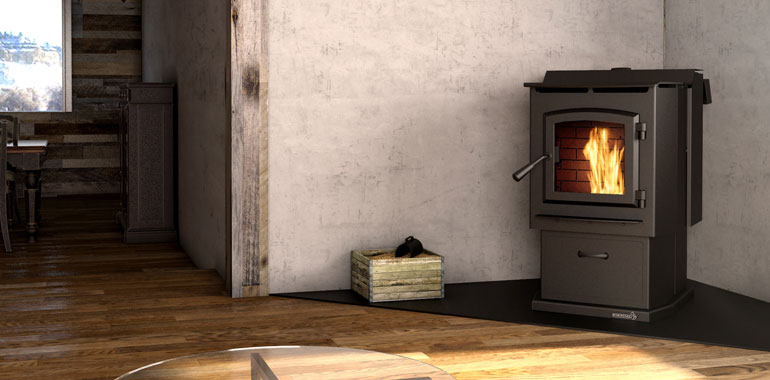
The Working Mechanism of Pellet Stoves
A storage hopper or bin, integrated into the stove unit, holds the pellets. An automated motor powers an auger that transports the pellets to a combustion pot or platform. The delivery rate controls how quickly pellets are fed into the burning chamber. A faster delivery rate increases heat generation, while a slower rate decreases heat output but extends burn duration with a full hopper of pellets.
Unlike traditional wood stoves, pellet heating systems require electricity for operation. This is an important factor to consider when evaluating whether this heating option fits your needs.
A compact electric fan circulates air through heat transfer tubes within the stove, extracting warmth from the hot steel and distributing it throughout your space. An additional fan expels combustion byproducts from the stove through the ventilation system.
Understanding the Manufacturing Process
Pellets are created from wood waste materials including wood chips, sawdust, and scraps. This waste material undergoes pulverization, hot water extreme pressure treatment, and heating to minimize moisture content. The processed material is then channeled through a pellet mill that compresses it through a small metal die, roughly the diameter of a pencil. The wood's natural resins function as an adhesive to bind these materials together, which are then cut into ¼ to 1 inch segments.
Heat Output Capabilities
Controlling or adjusting heat output from a pellet appliance is straightforward. Similar to other heating devices, heat generation depends on the fuel burn rate. As previously noted, the feed rate determines how much heat your unit will generate and the duration a full hopper of pellets will provide heat. Heat output on most models typically ranges from 10,000 to 50,000 BTUs per hour.
Installation Requirements
Pellet stoves can be installed and vented through an exterior wall. They can also be vertically vented through the roof when necessary. Pellet heating systems use a stainless steel "L-vent" pipe for proper ventilation.
Pellet stoves can also be vented into an existing chimney using a four-inch stainless-steel liner. This is typically done when property owners want to replace an old wood-burning stove with a pellet unit.
Featured Pellet Stove
Discover our premium pellet stove solution that heats up to 1,700 sq. ft. with a convenient 90 lb hopper and remote control functionality.
Ashley Hearth AP5617-PConvenience Features
Controls on a pellet stove provide ease of operation. User-friendly displays allow you to adjust the feed rate, fan speed, and other settings. Wired or remote thermostats are also available for added flexibility and convenience.
If you lack quick and easy access to a wood supply or don't have the time and equipment to cut, split, and stack cord wood, pellet stoves offer an excellent alternative for your heating needs.
One beneficial feature to consider is a unit with a large hopper capacity. By storing more pellets, you'll enjoy the advantage of extended burn times without frequent refilling.
Similar to bags of water softener salt, pellets are packaged in 40 lb (approximately 18 kg) bags. Average users utilize about 2 to 3 bags of pellets per heating season. A winter's supply will occupy an area approximately 6 feet wide by 6 feet deep by 6 feet high. That's roughly 1/4th the space required for an equivalent amount of cord wood. Store pellets in a dry corner of your garage, utility room, or basement. Keeping the leftover bags dry allows you to use them for the next heating season.
Environmental Benefits
Consider these environmental advantages to using wood pellets:
1. Pellets are manufactured from recycled and renewable biomass materials, reducing waste.
2. Due to their low moisture content, pellets provide superior energy efficiency and high combustion efficiency compared to traditional cordwood.
3. Pellets are carbon-neutral and produce negligible emissions, resulting in cleaner air quality.
Maintenance Guidelines
If you prefer to avoid hands-on maintenance, be aware that pellet stoves require regular upkeep. Numerous maintenance tasks are mandatory and must be performed regularly. As wood pellets burn, ash residue accumulates on the heat exchange tubes. This ash layer reduces the heating efficiency of your appliance. Therefore, most required maintenance involves removing this buildup, and neglecting this can make your cleaning routine quite messy.
Your owner's manual provides the routine cleaning and maintenance procedures for your specific model. Following it carefully will ensure your appliance delivers years of reliable heating performance for your home or outdoor space.
Ready to Experience Efficient Heating?
For additional information or any questions you may have, please contact our outdoor living experts. We're passionate about helping you find the perfect heating solution for your space.
Explore Our Pellet Stove