

We understand that selecting a stove for your home might feel overwhelming at first, especially if you're new to this. But here's the good news: choosing the right heating solution is actually an excellent investment for your property. The real challenge is knowing which type suits your needs best — should you go with a wood-burning stove or a multi-fuel option?
In this comprehensive guide, we'll explore the key distinctions between wood-burning and multi-fuel stoves, helping you make a confident and informed decision for your home's heating needs.
Wood-Burning Stoves
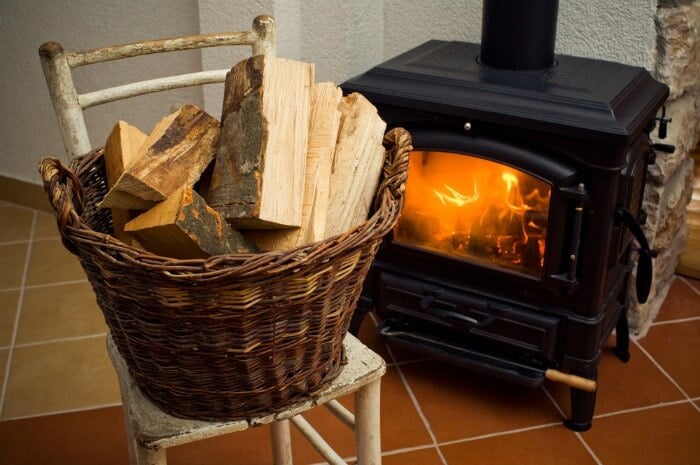
Wood-burning stoves are straightforward in their design — they're purpose-built to burn wood logs exclusively, without any other fuel types. This specialized approach makes them incredibly efficient at what they do.
These stoves feature a flat base designed specifically for log placement, which creates the ideal environment for ash collection. A key advantage of wood burners is their design: keeping some ash on the stove floor actually enhances combustion efficiency, unlike multi-fuel stoves where ash management works differently.
When selecting wood for your burner, it's essential to choose the right type and ensure proper preparation. According to our comprehensive burning guide, you should always use well-seasoned wood with optimal moisture content for maximum efficiency and heat output.
If you're located in a smoke control area, don't worry — this doesn't automatically disqualify you from owning a wood burner. You'll simply need to invest in a DEFRA-approved model that's certified for use in designated smoke control zones.
Multi-Fuel Stoves
Multi-fuel stoves offer remarkable versatility, as their name clearly indicates. They can burn not only wood but also a wide variety of other materials including peat, turf briquettes, coal, and various smokeless fuels. If you're considering a multi-fuel stove and live in a smoke control area, it's important to note that you can only use approved smokeless fuels in these zones.
The engineering of a multi-fuel stove differs significantly from its wood-burning counterpart. These stoves feature a ridged grate positioned above the stove floor, which creates airflow from below to facilitate optimal combustion of various fuel types. The ridged grate design allows ash to be collected in the ashpan below after use, which is crucial because regular ash removal is necessary — unlike wood burners where ash provides benefits, ash buildup in multi-fuel stoves can hinder proper airflow and reduce efficiency.
Making the Right Choice: Wood-Burning or Multi-Fuel?
Here are several important factors that should influence your decision when selecting between a wood-burning and multi-fuel stove:
Design and Aesthetic Appeal
When it comes to visual design, both wood-burning and multi-fuel stoves are available in an extensive range of styles and sizes. You should have no trouble finding a model that complements your home's interior design, regardless of which type you choose.
At BACKYARD PROVIDER, we offer both traditional classic stoves and contemporary modern designs to suit any home aesthetic. From elegant double-sided stoves to versatile inset models, we have options that work seamlessly with every architectural style. Our selection ensures that functionality and beauty work together perfectly.
Cost Considerations
There's no significant price difference between high-quality wood burners and multi-fuel stoves. Both types are available at budget-friendly price points, and you can typically find excellent models starting at a few hundred dollars, or invest in premium options that cost several thousand dollars.
Your fuel costs will vary significantly depending on the type and quality of fuel you choose to burn. Prices fluctuate based on market conditions and availability.
For more detailed information about wood costs and fuel pricing, check out our comprehensive guide on the cost of wood for your stove.
Environmental Impact and Sustainability
There's been considerable debate about whether stoves are truly environmentally friendly. The reality is that wood burners are largely carbon-neutral when used properly. The carbon dioxide released during burning equals approximately what the tree naturally absorbed during its growth cycle, meaning wood from a reputable supplier won't significantly increase your carbon footprint or require tree replacement.
The environmental friendliness of multi-fuel stoves depends entirely on your fuel choice. Burning smokeless fuel is significantly better for the environment compared to traditional coal, for example.
The stove industry continues to advance toward cleaner emissions and improved environmental standards. If you currently own an older stove and want to upgrade to a newer, more eco-friendly model, take advantage of our exclusive Stove Scrappage Program for special savings.
Ease of Use and Convenience
Perhaps the most compelling feature of a multi-fuel stove is its remarkable flexibility to use different fuel types to suit your preferences. This means you can select different local suppliers and adjust your fuel choice based on current availability and pricing in your area.
While you won't experience the exact same comfort level with a wood burner, you also won't face excessive difficulty in operation or maintenance. The main difference is that you'll need to commit to wood as your sole fuel source.
Featured Multi-Fuel Solution
Experience superior heating performance with our premium multi-fuel stove, designed to heat up to 2,000 square feet efficiently.
Multi-Fuel Insert — 6041iBoth wood-burning and multi-fuel stoves offer excellent heating solutions for your home. Your final choice should be based on your specific needs, fuel availability in your area, and personal preferences. Whatever you decide, you're making a smart investment in efficient, reliable home heating that will serve you well for years to come.