
The Complete Guide to Wood Stoves
Everything you need to know before investing in wood heat for your homeirst wood stove purchase. Before you fall in love with the romantic vision of crackling fires and cozy evenings, there are important realities to understand.
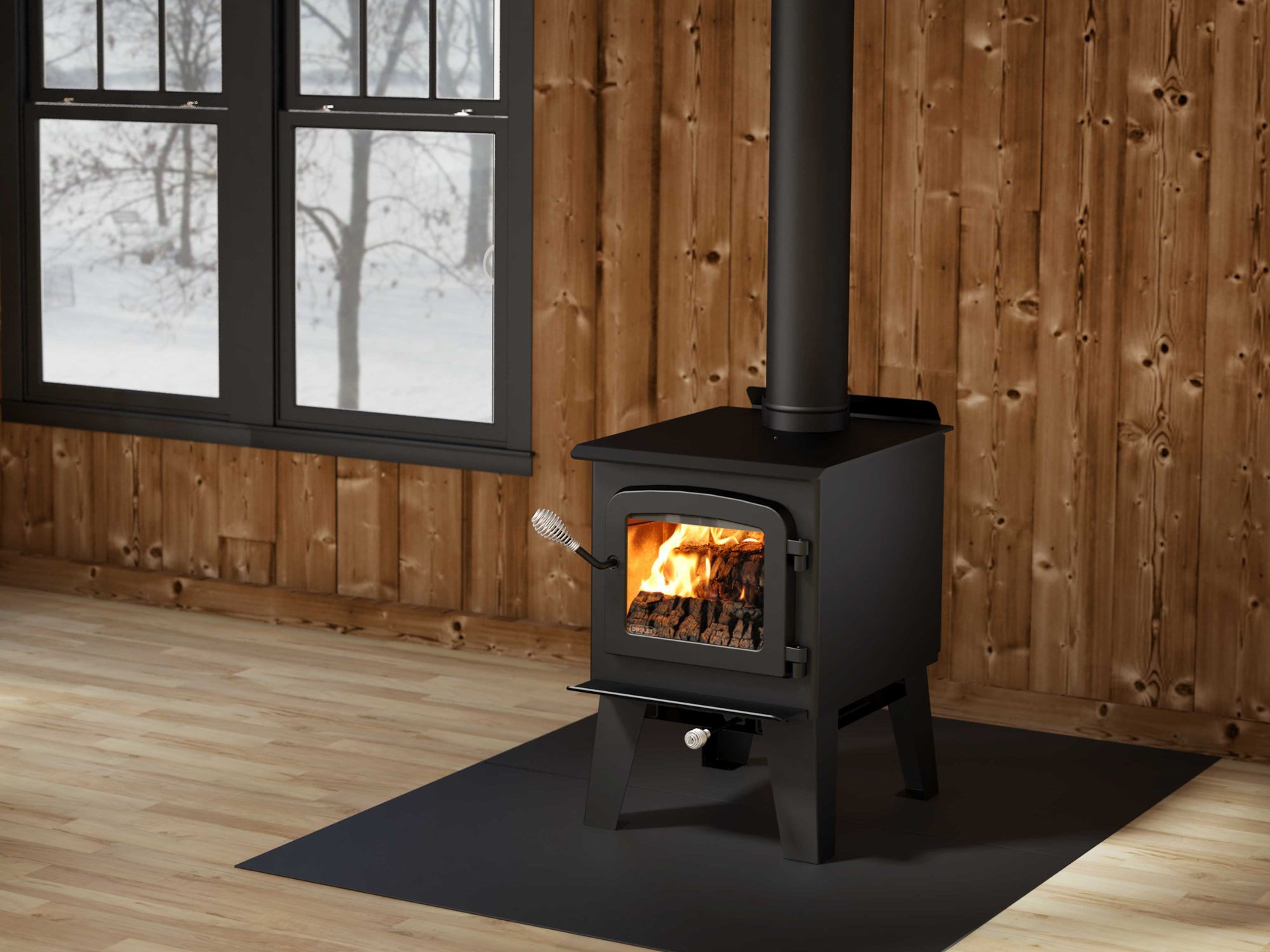
Embrace the Work — The Reality of Wood Heat
Many homeowners who haven't lived with a wood stove carry romantic notions about wood heat. The experienced understand a different truth: firewood ranks among the most labor-intensive heating fuels available.
"Firewood is one of the least convenient sources of heat, requiring considerable time and effort to fell and split trees, move wood into dry outdoor storage for at least a year, transport wood indoors, maintain an effective fire, and keep the system cleaned for safety and efficiency."
Here's an additional consideration worth noting: relying on wood heat means you're committed to staying home throughout winter. Unless your home features a backup heating system, weekend getaways become complicated — someone needs to keep the fire going to prevent frozen pipes.
Who Benefits Most from Wood Heating
Wood heat isn't for everyone, but it makes excellent sense in certain situations:
Rural Property Owners with Timber
Those with access to their own woodlot benefit from virtually free fuel, requiring only sweat equity to harvest and process.
Enthusiasts Who Enjoy Physical Work
People who genuinely appreciate cutting, splitting, stacking, and tending fires find the process rewarding rather than burdensome.
Homesteaders Seeking Independence
Those committed to self-sufficiency and reducing dependence on utility companies appreciate the autonomy wood heat provides.
Budget-Conscious Homeowners
When cord wood prices remain reasonable in your area, the significant savings over propane, oil, or electric heat justify the extra effort.
Choosing the Right Wood Stove
Modern wood stoves have evolved significantly from their predecessors. Today's EPA-certified models burn cleaner, operate more efficiently, and require less fuel to produce the same heat output. When selecting a stove, consider these key factors:
Heating Capacity: Match the stove's BTU output to your home's square footage. An undersized unit leaves you cold, while oversized stoves lead to inefficient operation and excessive creosote buildup.
Efficiency Rating: Look for stoves rated at 70% efficiency or higher. Modern catalytic and non-catalytic designs extract more heat from each log while producing fewer emissions.
Build Quality: Cast iron and plate steel stoves each offer advantages. Cast iron retains heat longer and provides a classic aesthetic, while steel heats up faster and typically costs less.
Ready to Experience Wood Heat?
Discover reliable warmth with our top-rated wood burning stove — perfect for homes up to 1,200 square feet.
Ashley Wood CirculatorInstallation and Safety Essentials
Proper installation isn't optional — it's essential for both safety and performance. A poorly installed stove poses serious fire risks and operates inefficiently. Always hire a certified professional or carefully follow manufacturer guidelines if you're experienced with such work.
Clearances from combustible materials must meet local codes and manufacturer specifications. Floor protection, proper chimney installation, and adequate ventilation all require careful attention. Regular chimney cleaning — at minimum annually — prevents dangerous creosote accumulation.
Carbon monoxide detectors and smoke alarms are non-negotiable additions to any home with wood heat. Place detectors on every level and test them monthly throughout the heating season.
Preparing Your Fuel Supply
Quality firewood makes all the difference. Properly seasoned hardwood — dried for at least one year — burns hotter, cleaner, and more efficiently than green wood. Moisture content should ideally fall below 20 percent.
Top Hardwoods for Heating
Oak, Hickory, and Maple provide excellent heat output and long burn times. Ash seasons quickly and splits easily. Cherry and Apple add pleasant aromas while burning clean. Avoid softwoods like pine for primary heating — they burn fast and create more creosote.
Calculate your annual needs before winter arrives. Most households burning wood as a primary heat source consume between three and five cords per season, depending on climate, home size, and insulation quality.
Making Your Decision
Wood heating offers genuine rewards: reduced utility bills, energy independence, and the undeniable comfort of radiant heat on winter evenings. The crackling fire and dancing flames create an atmosphere no other heating system can match.
However, success requires honest self-assessment. Do you have the time and physical ability for the work involved? Can you source affordable firewood? Will you commit to proper safety practices and maintenance?
For those who answer yes — and who invest in quality equipment properly installed — wood heat delivers reliable, economical warmth for decades to come.
Start your wood heating journey with trusted equipment from Backyard Provider.
Ashley Wood Circulator