
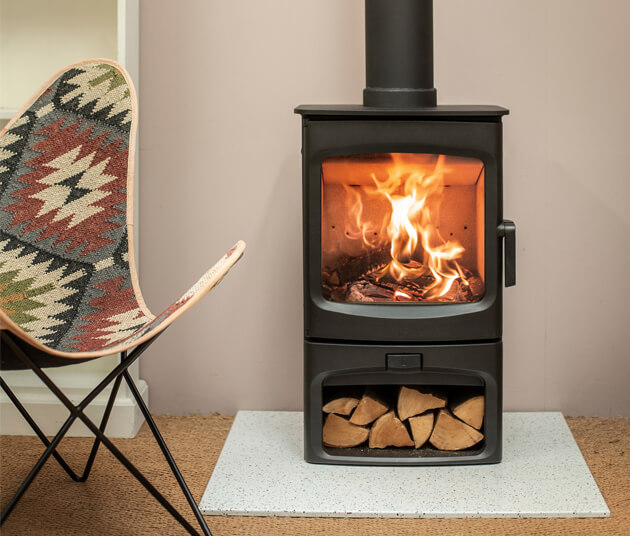
The cozy warmth generated by a wood-burning stove is truly unmatched—it's the ultimate expression of natural comfort. However, ensuring that warmth reaches beyond the room where your stove sits requires thoughtful planning. This comprehensive guide walks you through the most effective strategies for extending that welcoming heat throughout your entire home.
Is Your Stove Operating at Peak Efficiency?
Achieving maximum heat distribution starts with ensuring your wood-burning stove functions optimally. Several key practices will help your heating system perform at its best, allowing it to run with greater efficiency. Start by keeping your stove and chimney clear of any buildup and residual ash—a simple task involving just a few minutes of maintenance that can make a substantial difference.
Always burn wood that has been properly dried and aged, ideally with moisture content below twenty percent. When igniting your fire, begin with smaller kindling pieces to establish a strong ember bed, ensuring it's radiating intense heat before introducing larger logs. Only then should you add a complete load of wood. Resist the temptation to overload your firebox, as excessive temperatures can reach unsafe levels and potentially harm your stove's internal components. The optimal temperature zone for your stove interior should fall between 200°C and 460°C.
You'll also need to master the art of heat circulation from your wood-burning stove, a topic we'll explore in greater depth as we continue through this guide.
💡 Pro Tip: Understanding proper wood stove operation is essential for both safety and efficiency. Master these fundamentals before implementing advanced heat distribution techniques.
Understanding Wood Stove Heat Production
Heat output from wood-burning stoves is quantified in kilowatts (often abbreviated as kW), which represents kilowatt hours, or in British Thermal Units (commonly known as BTUs), where 1kW equals roughly 3,400 BTUs.
Wood-burning stoves typically display two distinct heat output numbers: the maximum heat output represents the absolute peak heat generation you can extract from that particular wood-burning unit, while nominal output indicates the sustainable heat level you can consistently achieve while operating the stove efficiently and maintaining proper wood combustion.
Wood stoves are capable of generating approximately 18kW (61,000 BTUs) of heat output when vents are fully opened (imagine a 3 or 4-cubic-foot firebox filled completely and operating at maximum capacity), though this output can decrease to around 5kW when vents are partially closed and the wood burns more slowly. The actual heating capacity of your wood-burning stove for your specific room or entire house depends on multiple factors including room dimensions, ceiling height, floor plan configuration, and the stove's size and efficiency rating. Nevertheless, there are proven methods to enhance how effectively the heat circulates throughout your home.
Top Strategies for Distributing Heat from Your Wood Burner
Multiple proven techniques exist to help distribute the warmth from your wood stove throughout your home. Let's examine the most effective approaches below.
Method 1: Circulating Heat with a Fan
Heat naturally rises—it's pure and simple physics. It's one of those unchangeable principles of the universe, yet that doesn't prevent you from redirecting it strategically. A fan positioned on top of your wood-burning stove will initiate air circulation (no electrical connection required) and effectively move the heat around the room. The fan's presence helps heat reach different areas of your space more rapidly, and you can leverage wood stove heat more effectively than you might otherwise, potentially reducing your overall heating expenses.
The optimal fan placement is in one of the rear corners of the stove, positioning it where the front edge of the fan receives maximum heat rising from below while the rear section of the fan remains comparatively cooler. This temperature differential will accelerate your fan blade rotation and distribute your stove heat more efficiently throughout the space.
Method 2: Strategic Heat Direction
While we've established that heat naturally moves upward, you can leverage that basic principle to your benefit. Installing your wood-burning stove on the ground floor level of your residence ensures the heat will naturally ascend to the upper story or stories of your home, warming your living space efficiently.
You can facilitate the movement of heat into your upper-level rooms by incorporating vents in the ceiling of the room housing the stove, with corresponding vents in the rooms above where you want to receive the stove's warmth. Professional consultation is recommended when adding ventilation to your home; this ensures you maximize the effectiveness of the venting system while remaining aware of any potential safety considerations.
Method 3: Installing Ductwork for Enhanced Distribution
Installing appropriate ductwork from your wood stove to other areas of your house creates pathways for cold air to exit from those distant rooms while causing the stove to emit warmer air. This approach ensures the heat from the wood burner doesn't simply dissipate by warming up the duct system itself, but rather leverages the natural convection flow of hot and cold air to effectively warm the rooms located farther from the stove.
Ready to Experience Superior Home Heating?
Transform your home comfort with a premium wood-burning stove designed for maximum heat distribution and efficiency. Experience the difference quality makes.
Ashley Wood Burning CirculatorAdditional Considerations for Optimal Wood Stove Performance
Essential Wood-Burning Stove Practices
Mastering fundamental wood stove operation techniques forms the foundation of effective home heating. Beyond basic fire-starting skills, understanding airflow management, fuel loading patterns, and temperature regulation will significantly impact your heating success. Regular maintenance schedules, proper ash removal techniques, and seasonal preparation all contribute to consistent, reliable performance throughout the heating season.
Selecting Quality Firewood
The type and condition of your firewood dramatically affects heating efficiency and stove longevity. Hardwoods like oak, maple, and ash provide longer burn times and higher heat output compared to softwoods. Proper seasoning—allowing wood to dry for at least six to twelve months—reduces moisture content below twenty percent, ensuring cleaner combustion, less creosote buildup, and maximum heat generation. Store your firewood in a dry, well-ventilated area, elevated off the ground and protected from precipitation.
Safety and Maintenance Priorities
Annual professional chimney inspections and cleanings prevent dangerous creosote accumulation and identify potential structural issues before they become serious problems. Install carbon monoxide detectors on every level of your home, and maintain adequate clearances between your stove and combustible materials according to manufacturer specifications. Keep a properly rated fire extinguisher accessible near your wood stove, and educate all household members on safe operation procedures and emergency protocols.
Maximizing Energy Efficiency
Modern EPA-certified wood stoves offer significantly improved efficiency compared to older models, often achieving seventy to eighty percent efficiency ratings. Combining your wood stove with proper home insulation, weatherstripping, and strategic use of ceiling fans creates a comprehensive heating strategy that reduces overall energy costs. Consider thermal mass materials like soapstone or brick surrounds that absorb and gradually release heat, extending warmth beyond active burning periods.
The Sustainable Choice for Home Heating
Wood heating represents a carbon-neutral renewable energy source when sourced responsibly from sustainably managed forests. Unlike fossil fuels, burning wood releases only the carbon dioxide the tree absorbed during its growth cycle, making it an environmentally conscious heating choice. Modern high-efficiency wood stoves produce minimal emissions while maximizing heat output, contributing to cleaner air quality compared to older heating methods.
By implementing proper heat distribution techniques, you're not only increasing comfort throughout your home but also maximizing the efficiency of this renewable resource. Every degree of warmth effectively distributed means less fuel consumed and a smaller environmental footprint, proving that comfort and sustainability can work hand in hand.
Creating a Warmer, More Comfortable Home
Distributing heat effectively from your wood-burning stove throughout your entire home doesn't require complicated systems or expensive renovations. By implementing the strategies outlined in this guide—from strategic fan placement to intelligent ventilation design—you can transform a single heat source into comprehensive whole-home comfort.
Whether you're planning a new installation or optimizing an existing setup, these proven techniques will help you maximize efficiency, reduce heating costs, and enjoy consistent warmth in every room of your home throughout the coldest months of the year.