
Discover how modern wood stoves achieve remarkable efficiency rates of 80-90%, transforming the way we heat our homes with sustainable warmth.
The Evolution of Home Heating
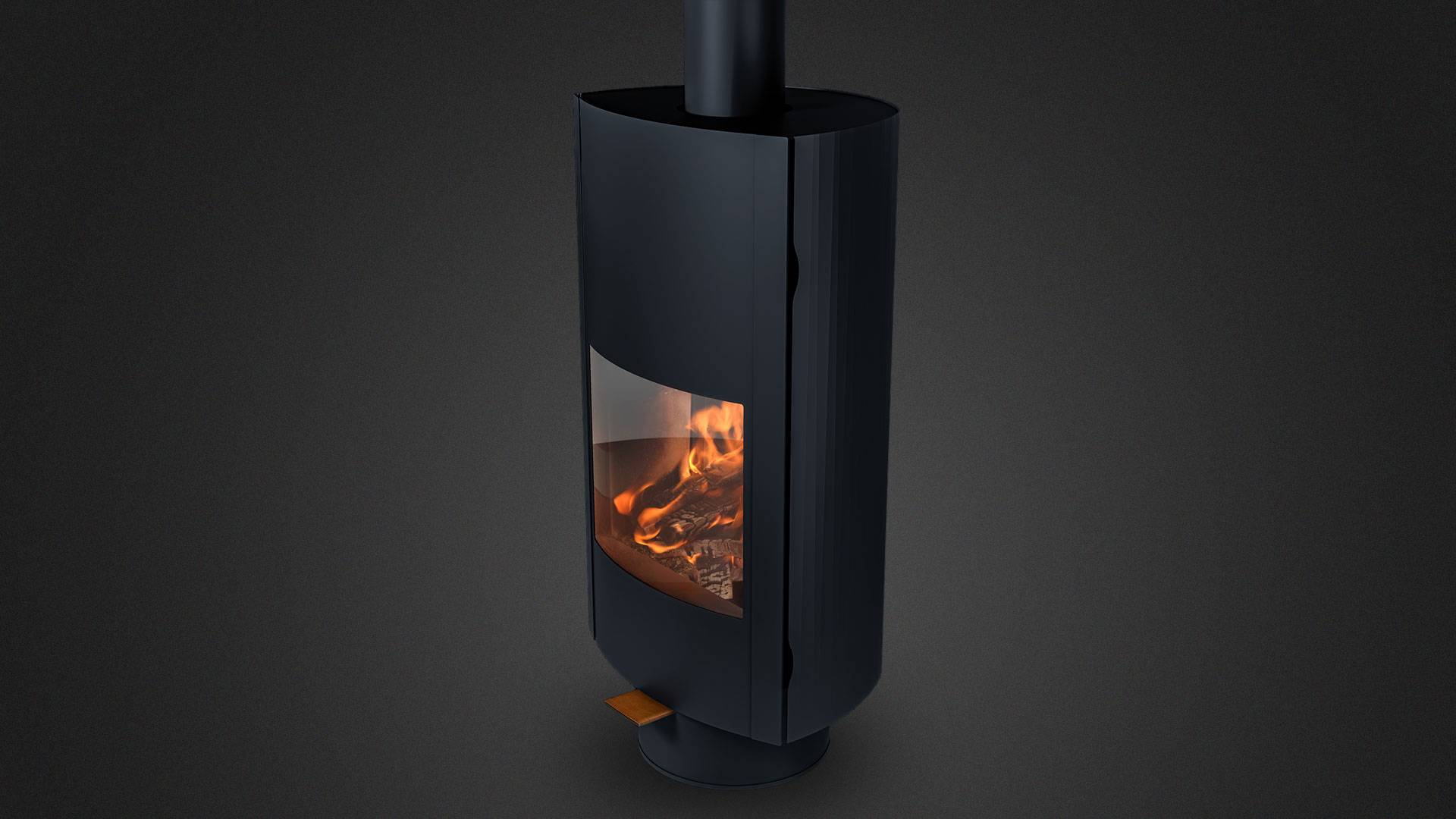
Traditional wood stoves from decades past managed efficiency levels barely reaching 30%. Today's advanced wood burning technology has revolutionized that figure entirely. Contemporary wood stoves routinely achieve efficiency ratings between 80 and 90 percent, representing a dramatic leap forward in sustainable home heating solutions.
This remarkable improvement stems from innovative engineering approaches that maximize heat extraction while minimizing waste. Understanding how these systems work helps homeowners appreciate the sophisticated technology behind what appears to be a simple heating method.
The Fire Chamber: Dual Combustion Technology
The fire chamber represents the heart of any wood burning stove—this is where the magic truly happens. Modern fire chambers are engineered not merely to contain flames but to actively support and optimize the combustion process for maximum efficiency.
In conventional older stoves, combustion gases escape directly through the chimney after the initial burn phase, wasting significant energy potential. Modern designs capture these gases and burn them a second time within the fire chamber itself—a process called secondary combustion.
Secondary combustion significantly boosts efficiency while producing cleaner emissions. The flue gases that would otherwise escape as waste are reignited higher within the chamber, extracting additional heat energy. This advanced approach eliminates the need for particle filters in quality wood stoves since the secondary burn naturally reduces particulate matter in the exhaust.
Optimal Air Supply Management
Fire requires oxygen to thrive, and the timing and placement of air delivery dramatically affects combustion quality. Quality wood stoves incorporate adjustable air control mechanisms that give homeowners precise management over the burning process.
During the ignition phase, these controls open fully to deliver maximum oxygen, establishing a strong initial burn. Once the fire reaches stable operating temperature, partially closing the air supply optimizes heat output while extending burn duration.
Air enters the stove and follows an ingeniously designed path through the chamber. Rather than flowing directly to the flames, incoming air takes a circuitous route upward through the fire chamber. This design accomplishes two important goals: it allows the stove to reach optimal operating temperature quickly, and it ensures thorough secondary combustion of flue gases.
Once the stove warms to operating temperature, natural air circulation develops within the system. Incoming air preheats as it enters, further enhancing combustion efficiency. The fire benefits not only from this preheated air supply but also receives radiant heat reflected from the stove's heat shield and rear wall surfaces.
Certain advanced models employ concentric flue systems that draw fresh outside air through a dedicated channel. This configuration further improves combustion quality and pushes efficiency ratings even higher.
Extended Heat Output
Modern wood stoves deliver warmth through two complementary mechanisms: convection and radiant heat transfer. Convection heating warms the surrounding air, which then rises naturally while cooler air descends to be heated in turn. This continuous circulation ensures even temperature distribution throughout living spaces.
Radiant heat operates differently—it directly warms people and objects within the room without heating the air as an intermediary. Similar to how sunlight feels warm on skin, radiant heat provides immediate, comfortable warmth that many people find particularly pleasant.
Convection Heating
Warms air that circulates throughout the room, creating even temperature distribution and efficient whole-space heating through natural air movement patterns.
Radiant Heat
Directly warms people and surfaces through infrared radiation, providing immediate comfort similar to natural sunlight without air movement.
Heat Storage
Stone cladding and specialized materials absorb heat during operation and release it gradually, extending warmth long after the fire subsides.
Many quality wood stoves feature exterior stone cladding or specialized heat-retaining materials. These components consist of unique concrete and fiber compositions that absorb thermal energy during active burning and release it slowly over extended periods. The result: consistent warmth from the same wood quantity, delivering exceptional value and comfort.
Contemporary high-efficiency wood stoves meet stringent EcoDesign 2022 environmental standards, requiring minimum 75% efficiency ratings and maximum fine dust emissions of 40 milligrams per cubic meter—ensuring responsible heating that respects both comfort and environmental considerations.
Ready to Experience Efficient Wood Heating?
Explore our selection of premium wood burning stoves designed for modern homes, featuring advanced combustion technology and exceptional heat output.
US Stove Ashley Wood Circulator