
Everything You Need to Know Before Making Your Purchase
Thinking about investing in a wood burning stove? You're not alone. These timeless heating appliances have seen a remarkable resurgence in popularity as homeowners seek energy-efficient, cost-effective, and aesthetically pleasing ways to warm their living spaces.
With this in mind, we've assembled this comprehensive wood burning stove guide, packed with detailed information on how these stoves function, expert advice on selecting the perfect model for your home, and insights into current regulations surrounding their use.
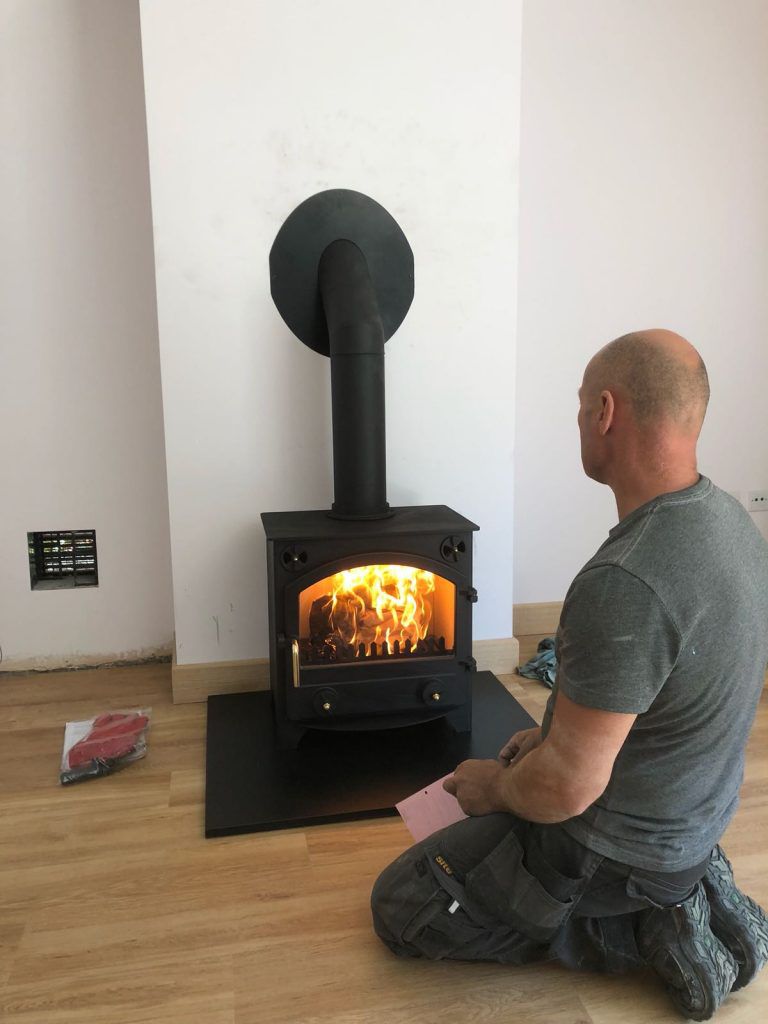
Why Invest in a Wood Burning Stove?
Wood burning stoves represent a fantastic choice for countless homeowners. Many people choose to install one as an attractive focal point that adds character to their property, but these versatile appliances offer so much more than visual appeal.
Beyond their aesthetic charm, wood stoves provide exceptional warmth and coziness during cold months. They're remarkably energy-efficient appliances that can significantly reduce your monthly heating expenses over time.
What Does a Wood Stove Cost?
The price of wood burning stoves varies considerably based on several factors, including the physical dimensions of the unit, the design aesthetic, and the overall heating capacity for your space. Standard models typically range from several hundred to a few thousand dollars, while premium options with advanced features command higher prices.
We highly recommend consulting with heating specialists to discuss your specific requirements. Our experts can guide you through the options and help you determine which stove size and type aligns best with your home and budget.
How to Operate a Wood Burning Stove
Operating a wood burning stove efficiently involves several essential steps that you'll want to master. It's crucial that you use your stove in a safe and productive manner, and these guidelines will help ensure optimal performance.
Before igniting, ensure your stove has been previously used or properly treated. Fresh installations should have all protective coatings burned off through an initial seasoning process.
Start with crumpled newspaper or fire starters at the base. Add kindling in a crisscross pattern, then place larger split logs on top once flames establish.
Light the fire from the top down for cleaner combustion. Open air vents fully during startup to maximize oxygen flow and accelerate ignition.
As the kindling catches well, gradually introduce larger logs. Don't overload the firebox; proper airflow around each log ensures complete combustion.
Once your fire burns steadily, you can reduce the air intake slightly to control burn rate and extend fuel economy. Finding the right balance takes practice.
After establishing a solid burn, use air controls to fine-tune heat output. Properly seasoned wood and correct airflow adjustment result in longer, cleaner burns with less smoke.
How to Clean Your Wood Burning Stove
A common misconception is that wood stoves require excessive cleaning effort. However, they generally need very minimal maintenance and can be surprisingly simple to keep in top condition.
When tackling the exterior of your wood stove, wait until it has completely cooled. Use a soft cloth dampened with water or a specialized stove cleaner. For glass doors with soot buildup, a mixture of ash and water applied with newspaper works remarkably well—simply rub gently and wipe clean with a dry cloth.
For interior cleaning, remove ash regularly but leave a thin layer on the floor of the firebox, as this actually helps insulate and maintain proper combustion temperatures. Use a metal ash bucket and brush for safe removal.
Keeping the Glass Crystal Clear
A frequent concern among wood stove owners involves keeping the viewing glass free from soot and residue. This issue typically stems from burning unseasoned wood or operating with insufficient airflow.
Most modern stoves feature airwash systems designed specifically to keep glass clean during operation. When functioning correctly, these systems direct a curtain of air down across the glass interior, preventing smoke particles from depositing on the surface.
If your glass darkens frequently despite using dry wood, check that your air vents are properly adjusted. Hot, efficient fires naturally produce less residue on glass surfaces.
Are Wood Burning Stoves Safe for Your Health?
When properly maintained and operated according to manufacturer guidelines, wood burning stoves present no significant health concerns. They've been safely heating homes for generations and continue to do so today.
Contemporary wood stoves are considerably more efficient and safer compared to older models. Advanced combustion systems and improved designs mean better air quality both inside your home and for the environment. If you have concerns about an older unit, upgrading to a newer model can provide peace of mind along with better performance.
Understanding Wood Stove Regulations
Recent years have brought updated guidelines regarding wood burning appliances. These regulations focus primarily on emissions standards and efficiency requirements, encouraging the use of cleaner-burning models.
Current EPA-certified stoves must meet strict particulate emission limits. These modern appliances burn fuel more completely, producing significantly less smoke while extracting more heat from each log. The result benefits both homeowners and air quality.
Before purchasing, verify that your chosen model meets all applicable local and federal requirements. Compliance ensures you're investing in technology that will remain legal and supported for years to come.
Are Wood Stoves Environmentally Sustainable?
Wood burning stoves offer a carbon-neutral heating alternative when operated responsibly. Unlike fossil fuels, the carbon released during wood combustion was recently absorbed by living trees, creating a closed carbon cycle.
Managed sustainably, wood represents a truly renewable resource. When forests are properly maintained, new growth replaces harvested timber, continuously absorbing carbon dioxide from the atmosphere. This makes responsibly sourced firewood one of the most ecologically sound fuel choices available.
Whether you harvest your own wood locally or purchase from certified sustainable sources, your wood stove's environmental footprint remains remarkably small compared to oil, gas, or electric heating alternatives.
Selecting the Right Size Wood Stove
Choosing an appropriately sized stove for your home matters more than many buyers initially realize. The ideal unit should match your space's heating requirements without being significantly oversized or undersized.
A stove rated too small will struggle to heat your space adequately, requiring constant maximum operation and excessive fuel consumption. Conversely, an oversized stove may overheat rooms quickly, leading owners to dampen the fire excessively, which causes inefficient burning and increased creosote buildup.
Consider the square footage you intend to heat, your home's insulation quality, ceiling heights, and regional climate when determining appropriate heating capacity. Professional consultation can help match the perfect stove to your specific situation.
Can You Burn Coal in a Wood Stove?
Wood burning stoves are engineered specifically for wood fuel, not coal. While the question arises frequently, burning coal in a standard wood stove is generally not recommended and may void manufacturer warranties.
Coal combustion requires different grate configurations and air supply systems than wood burning. Coal burns at higher temperatures and produces different byproducts, potentially damaging components not designed for this fuel type. If you want flexibility to burn both fuels, seek out multi-fuel stoves specifically designed for this purpose.
Can a Wood Stove Heat Your Entire Home?
Under certain circumstances, heating your entire house with a wood stove is absolutely achievable. Your success depends on recognizing the type of stove you own, its heating capacity relative to your property, and whether additional heat distribution exists in your system.
Open floor plans allow heat to circulate naturally throughout connected spaces. In homes with multiple separate rooms, consider stoves equipped with integrated blowers that actively push warm air further into living areas. Some homeowners even incorporate their wood stove into existing ductwork systems for whole-house heating solutions.
Many households discover that a strategically placed wood stove dramatically reduces reliance on primary heating systems, cutting utility costs substantially during winter months.
Installing a Wood Stove Without a Chimney
While a traditional masonry chimney isn't strictly necessary, having a proper venting system in place is absolutely essential for safe wood stove operation. You must have adequate ventilation to exhaust combustion gases safely outside your home.
Modern twin-wall flue systems can be installed through ceilings and roofs or externally along outside walls, providing excellent alternatives to conventional brick chimneys. These insulated stainless steel systems offer easier installation and often prove more economical than building traditional chimneys.
Installation options vary depending on your structure's configuration. Professional assessment helps determine which venting approach works best for your particular situation and ensures all building codes and safety requirements are properly addressed.
Ready to Bring Warmth to Your Home?
Discover our premium selection of EPA-certified wood burning stoves designed for efficiency and lasting performance.
Ashley 3,200 Sq. Ft. Pedestal Wood StoveExpert Tips for Wood Stove Success
Use Properly Seasoned Wood
Firewood should be dried for at least 6-12 months. Moisture content below 20% ensures cleaner burns, more heat output, and less creosote accumulation in your flue.
Schedule Annual Inspections
Have your stove and chimney professionally inspected and cleaned yearly. Regular maintenance prevents dangerous creosote buildup and ensures safe, efficient operation.
Install Carbon Monoxide Detectors
Always maintain working smoke and carbon monoxide detectors near your wood stove and throughout your home for added safety and peace of mind.
We hope this comprehensive guide helps you make an informed decision about adding a wood burning stove to your home. For personalized recommendations and expert advice, our team is always here to assist.
Happy heating from the Backyard Provider team!