
Separating fact from fiction in the wood stove debate
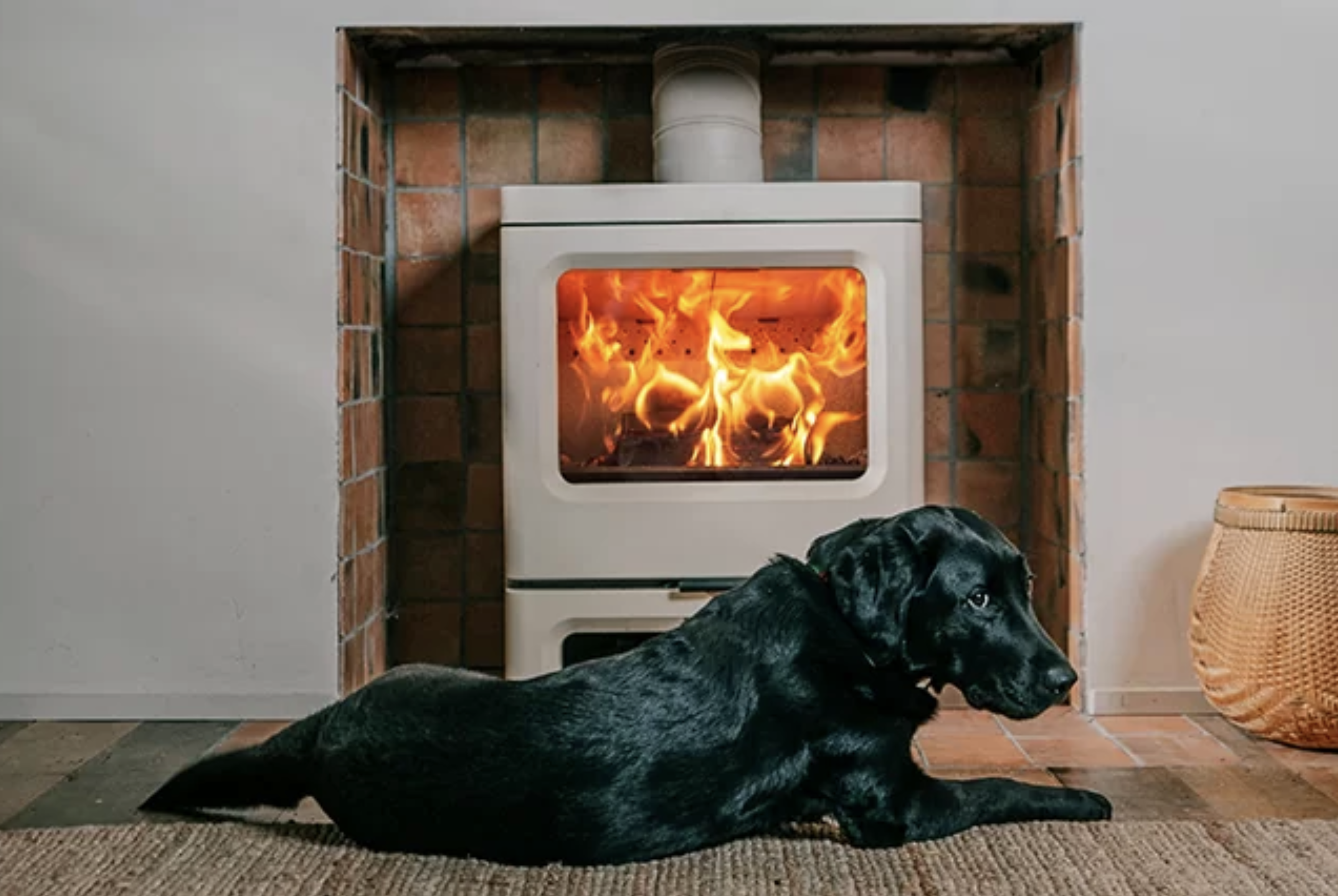
You may have encountered alarming headlines suggesting that wood-burning heating systems cause thousands of deaths annually and place enormous financial strain on healthcare systems. These figures originate from statistical modeling reports rather than documented individual cases. The calculations are based on complex estimation methods designed to evaluate risk factors, and critically, such reports typically do not distinguish between contemporary, efficient heating appliances and outdated equipment including open hearths, which function in fundamentally different ways.
Does This Pass the Common Sense Test?
Practical decisions about energy and home heating involve weighing various trade-offs that require thoughtful consideration of multiple elements. Recent discussions serve as useful reminders that well-intentioned thinking can sometimes miss important nuances.
Initiatives exist to support thriving natural landscapes intended to absorb carbon and create sustainable environments for wildlife, regional employment, and energy independence. We shouldn't evaluate only the electrical output potential while ignoring the broader value stored in sustainable forestry, natural habitats, and community resilience. We embrace renewable energy solutions while recognizing that policy discussions sometimes oversimplify complex environmental relationships.
Similarly, when discussing residential heating options, we must consider numerous variables. The conversation isn't simply about whether heating appliances are beneficial or harmful, but rather how to achieve warmth affordably, reliably, and with environmental responsibility using the technology available today. Wood-burning heating systems offer a spectrum of advantages and represent continuously advancing technology. Sound policy should carefully evaluate trade-offs openly and rely on evidence rather than sensational talking points.
What Those Mortality Figures Actually Represent
Statistical reports model how emissions from all categories of domestic combustion—which misleadingly groups modern heating appliances with traditional open hearths and legacy equipment—might theoretically impact outdoor air quality. These projections are then converted into population-level health estimates.
These reports express results as life-years lost and "attributable" mortality figures. This represents a standard analytical approach, but it's frequently misinterpreted or presented to generate alarming media coverage—ultimately because dramatic headlines attract attention.
Risk communication experts clarify this distinction well. "Attributable" mortality figures don't represent actual counts of individuals whose deaths were directly caused by wood smoke exposure. Rather, they express an estimated proportion of risk distributed across entire populations. Such analyses help inform policy discussions and enable comparisons, but they should not be interpreted as definitive records of specific individuals affected by heating appliances.
Putting Healthcare Costs in Perspective
The reported healthcare costs associated with domestic heating sound substantial until compared with other routine health system expenditures:
• Obesity-related healthcare costs exceed multiple billions annually
• Alcohol-related healthcare costs run into billions yearly
• Health inequalities contribute additional billions in healthcare spending
• Physical inactivity costs approach billions annually, with cardiovascular disease as a primary driver
This context doesn't minimize air quality concerns—topics we care about deeply and why we encourage innovation—but proportional, targeted measures make far more practical sense than sweeping restrictions.
Why the Headlines Are Misleading
The statistical analysis combines open hearths, manufactured solid fuels, and wood heating appliances of all vintages under the category of domestic combustion. This approach obscures the substantial differences between contemporary sealed appliances burning properly seasoned fuel and outdated or open heating methods.
Treating them identically overstates the impact from today's cleanest technology and risks misdirecting policy while misinforming consumers. Independent evaluations demonstrate that modern eco-certified appliances can reduce particulate emissions by up to 90% compared with open hearths and 80% compared with older equipment. The straightforward solution seems apparent—transition away from outdated heating with contemporary ultra-efficient appliances burning properly dried fuel.Why Contemporary Wood Heating Systems Still Matter
Applying similar modeling approaches, inadequate heating combined with poor housing conditions contributes to thousands of excess winter deaths annually. Therefore, insufficient heating and substandard ventilation deserve serious consideration in any heating policy discussion.
A contemporary wood-burning heating system delivers controllable, local, renewable warmth that helps households maintain comfortable living spaces consistently—including during extreme cold periods and power interruptions.
In appropriately designed installations working in harmony with the home's natural airflow, a sealed modern appliance can facilitate gentle air circulation while providing steady ambient warmth. The outcome includes drier interior surfaces, reduced moisture accumulation and mold growth, and more comfortable, resilient living environments. These indoor comfort benefits often receive insufficient attention in reports, yet for many households they represent critically important considerations. Modern heating technology can work alongside heat pumps, solar installations, and improved insulation—and it's certainly preferable to having no effective heating solution that functions reliably in real-world conditions.
A Better Path: Balance Over Prohibition
If cleaner air represents the objective, we should focus on the primary contributors:
Transition away from open hearths for regular household heating
Avoid burning wet wood or inappropriate materials—use properly dried fuel with moisture content below 20%
Upgrade legacy equipment with modern eco-certified appliances
Implement existing regulations consistently and fairly
Simultaneously, we should acknowledge the uncertainty surrounding this discussion. Health impact estimates depend on assumptions regarding exposure levels, appliance mix, and fuel quality—variables that prove notoriously difficult to precisely measure.
A Call for Thoughtful Discussion
Many people worry that policy discussions around cleaner air and environmental impact seek to eliminate household heating choices or increase dependence on centralized energy systems. Whether or not you share these concerns, we believe it's reasonable to advocate for policies that are balanced, practical, and transparent. We aim to engage constructively with researchers, advocates, and regulatory bodies—including participating in direct dialogue—because we believe genuine progress happens when people examine evidence carefully and work through trade-offs together.
Too often public discourse becomes divisive, which is unfortunate, because meaningful progress requires collaborative problem-solving.
Our Position
The approach is straightforward: Replace the least efficient heating methods with the most effective alternatives. Promote proper fuel preparation and maintain innovation momentum. Update analytical methods so contemporary, clean-burning appliances aren't grouped with open hearths and outdated equipment.
Maintain open, honest, and balanced conversations about what we all want: cleaner air and comfortable, resilient homes.
Upgrade to Modern, Efficient Wood Heating
Experience the benefits of contemporary wood stove technology with EPA-certified efficiency and powerful heating capacity.
Ashley 3,200 Sq. Ft. Pedestal Wood Stove