
Expert Insights for Outdoor Living Enthusiasts
The Compelling Benefits of Wood Stove Heating
Complete Energy Autonomy
Wood stoves provide unmatched independence from utility grids and fluctuating energy markets. When storms knock out power lines or propane prices surge, your wood stove keeps delivering consistent warmth. This reliability becomes invaluable in remote locations where conventional heating infrastructure is limited or nonexistent, giving you true freedom in your outdoor living space.
Budget-Friendly Warmth
The economics of wood heating are compelling for property owners. Initial investment aside, operational costs remain remarkably low compared to electricity or fossil fuels. Property owners with access to woodland can often harvest their own fuel at minimal expense, while even purchased firewood typically costs less than equivalent heating from conventional sources. Over a stove's multi-decade lifespan, these savings accumulate substantially.
Unmatched Ambiance
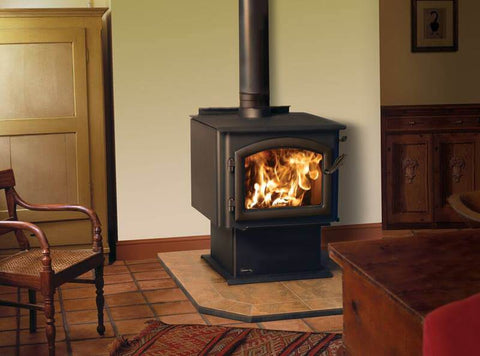
Beyond practical benefits, wood stoves create an atmosphere that electric or gas heating simply cannot replicate. The dancing flames visible through modern glass doors, the subtle crackling sounds, and the gentle radiant warmth transform your cabin into a genuine retreat. This sensory experience enhances every moment spent in your outdoor living space, from quiet mornings to gatherings with friends and family.
Critical Selection Factors for Your Wood Stove
Heat Output Requirements
Proper BTU calculation ensures efficient heating without waste. Matching output to your space size is fundamental.
Physical Specifications
Stove dimensions and log capacity directly impact usability and fuel management in your space.
Construction Quality
Premium materials and solid engineering translate to decades of reliable performance and safety.
Setup Considerations
Understanding clearance requirements and ventilation needs prevents costly installation mistakes.
Calculating Appropriate Heat Output
Determining the right heating capacity starts with accurate square footage measurement of your cabin space. Beyond simple area, consider insulation effectiveness, window quantity and quality, ceiling height, and your regional climate severity. Well-insulated structures typically need 20-25 BTUs per square foot, while older or poorly insulated buildings may require 30-35 BTUs per square foot. Purchasing an oversized unit leads to inefficient operation and excessive creosote accumulation, while undersizing leaves you struggling on the coldest days.
Size and Dimension Planning
The physical footprint of your wood stove affects both installation options and daily operation. Carefully measure your intended location, factoring in mandatory clearances from combustible surfaces as specified by building codes. Also consider the maximum log length the firebox accommodates—this seemingly minor detail significantly impacts firewood processing efficiency. Units accepting logs of 11 inches or longer reduce splitting work and provide flexibility in fuel sourcing.
Firewood Selection and Management
The fuel you choose profoundly influences performance, maintenance requirements, and overall satisfaction with your wood stove investment. Understanding wood characteristics enables smarter planning and better results.
Optimizing Your Fuel Supply
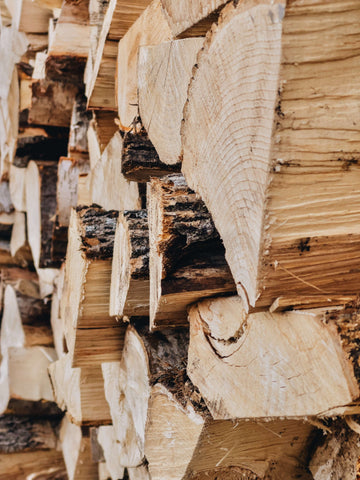
Hardwood species including oak, hickory, maple, and ash deliver superior performance with extended burn times and maximum heat output per log. Softwoods like pine and spruce ignite quickly, making them excellent for starting fires or providing quick heat during milder weather. The critical factor regardless of species is moisture content—properly dried wood with under 20% moisture burns efficiently and cleanly, while green wood wastes energy and creates dangerous creosote deposits.
- Dense hardwoods provide extended burn cycles and maximum heat generation, ideal for overnight heating
- Softwoods excel for fire starting and supplemental heating during transitional seasons
- Proper seasoning requires 6-18 months depending on species and splitting size
- Covered storage with excellent airflow accelerates drying and maintains wood quality
- Moisture meters provide objective readiness verification before burning
- Split wood to 3-6 inch diameter for optimal drying and burning

Safety Protocols and Professional Installation
Proper installation transcends code compliance—it's fundamental to protecting your property and occupants. Wood stoves generate intense heat and require meticulous attention to safety specifications throughout installation and operation.
Essential Safety Requirements
Building codes mandate specific distances between stoves and combustible materials based on extensive fire safety research. These clearances aren't arbitrary—they represent the minimum safe distances to prevent ignition. While heat shields can reduce required clearances in space-constrained areas, always verify local code requirements with your jurisdiction's building department. Professional installers bring expertise in chimney systems, draft management, and code compliance that protects your investment and ensures safe operation.
Installation Safety Checklist
- Research local building codes and secure necessary installation permits
- Install code-compliant floor protection extending beyond stove footprint
- Maintain manufacturer-specified clearances from walls, furniture, and combustibles
- Use properly rated chimney materials designed for solid fuel applications
- Install interconnected smoke and carbon monoxide detectors throughout the structure
- Position an appropriate fire extinguisher in an easily accessible location
- Schedule professional chimney inspection before first use
Featured Cabin Heating Solution
For cabins up to 750 square feet, explore compact heating solutions delivering 26,000 BTUs with convenient 11-inch log capacity—perfect for efficient outdoor retreat heating.
View US Stove TH-100Three Essential Success Strategies
Strategic Wood Selection and Preparation
Building a quality firewood supply requires forward planning and patience. Source wood during late winter or early spring, giving it maximum drying time before burning season arrives. Focus on dense hardwood species that provide sustained heat output and longer burn cycles. Create a covered storage area with excellent cross-ventilation, keeping wood elevated off ground contact. Organize by age so you always burn the oldest, driest wood first while newer cuts continue seasoning.
Perfecting Fire-Starting Methods
Efficient combustion begins with proper fire construction techniques. Master the top-down method—placing larger logs as a foundation with progressively smaller wood and kindling layered above—which creates cleaner burning with less smoke production. Always include adequate dry kindling and small split pieces for reliable ignition. Once flames establish, adjust air intake controls to maintain steady, efficient combustion rather than allowing smoldering or excessive burning.
Implementing Consistent Maintenance
Your wood stove demands regular attention to deliver optimal performance and safety. Remove ash buildup frequently, though maintain a thin insulating layer on the firebox floor for heat protection and easier ignition. Inspect door gaskets seasonally and replace when compressed or damaged—proper sealing controls combustion efficiency. Most critically, schedule professional chimney sweeping at least annually, more frequently if burning softwoods or using your stove as primary heat. Creosote accumulation causes dangerous chimney fires if left unchecked.
Common Questions About Cabin Wood Stoves
How do I determine the right stove size?
Base your selection on accurate square footage measurements combined with insulation assessment. Well-insulated cabins typically need 20-25 BTUs per square foot, while structures with poor insulation require 30-35 BTUs per square foot. A 750-square-foot cabin with good insulation operates efficiently with a 20,000-26,000 BTU stove. Factor in ceiling height, window area, and climate extremes when finalizing your choice.
Should I install the stove myself?
While mechanically inclined property owners can potentially handle installation, professional service offers significant advantages. Licensed installers understand regional building codes, proper clearance specifications, and safe chimney system design. They also ensure your installation passes inspection, which insurance companies may require. The investment in expert installation protects your property and provides long-term peace of mind.
What's the right chimney cleaning schedule?
Annual professional cleaning represents the baseline recommendation for most users. However, burning habits significantly influence required frequency. Regular softwood burning, using inadequately seasoned fuel, or operating your stove as the sole heat source may necessitate semi-annual cleaning. Inspect your chimney regularly and schedule cleaning when creosote buildup reaches 1/8 inch thickness regardless of time elapsed.
Your Path Forward
Choosing the appropriate wood stove elevates your cabin from simple shelter to genuine outdoor sanctuary. This decision impacts comfort, operating costs, and property value for decades to come. By carefully evaluating your heating requirements, understanding fuel options, and prioritizing safety throughout installation and operation, you'll select equipment that serves reliably year after year.
Quality wood stoves represent smart investments that deliver tangible returns through reduced heating expenses, enhanced property appeal, and the incomparable comfort of natural heat. Take time researching available options, consulting with experienced professionals, and selecting a model precisely matched to your unique situation. Your cabin retreat—and everyone who gathers around your fire—will benefit from this thoughtful decision for generations ahead.
Ready to Transform Your Cabin Heating?
Discover quality wood stoves engineered for outdoor living spaces and cabin retreats.
Shop Wood Stoves