
Discover how pellet stoves can transform your home heating experience
Pellet stoves have emerged as a revolutionary heating solution for homeowners seeking efficiency, sustainability, and cost-effectiveness. These innovative appliances burn compressed wood pellets to generate substantial heat while maintaining environmental consciousness. Understanding how pellet stoves function and their benefits can help you make an informed decision about your home's heating needs.
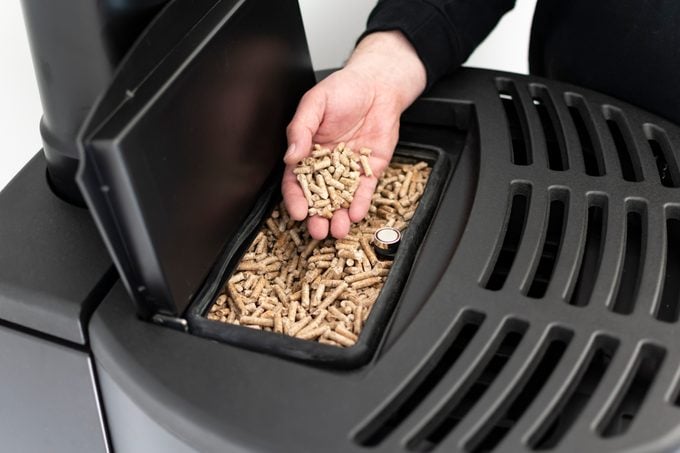
The pellets used in these stoves are compact cylinders ranging from one-quarter inch to one and one-half inches in length. Typically manufactured from compressed sawdust and various wood waste materials, some pellets also incorporate biofuels such as corn husks and grain kernels, offering diverse fuel options for different preferences and availability.
Important: Not every pellet stove model accepts all pellet varieties. If you're interested in burning biofuel pellets, ensure you select a model specifically designed for that purpose.
Design and Operational Features
The majority of pellet stoves feature a rectangular design with a strategically positioned combustion chamber at the center. An integrated fan system circulates heated air throughout your living space. The design includes a storage hopper for pellet fuel and an exhaust vent system for combustion gases. Most contemporary models offer self-igniting capabilities and include thermostat controls. Simply load the pellets, configure your desired temperature, and relax while enjoying consistent warmth.
Based on its dimensions, a pellet stove can generate between eight thousand and ninety thousand British thermal units (BTUs) of thermal energy per hour. Approximately forty thousand to sixty thousand BTUs per hour suffice to heat a standard two thousand square foot residence. These stoves operate without electrical connection requirements, and the electricity needed to run the fan typically amounts to roughly one hundred kilowatt-hours (kWh) monthly. At current national electricity rates, this translates to about nine dollars per month in operating costs, as reported by the Environmental Protection Agency.
The Mechanics of Pellet Stove Operation
Most pellet stove systems incorporate a screw-driven feeding mechanism. Pellets housed in the hopper descend into the combustion chamber through an auger system that meters the fuel supply. The volume of pellets fed determines the thermal output, which remains fully adjustable via the thermostat. This automated system ensures a consistent pellet feed into the combustion chamber throughout the heating cycle.
Apart from the pellet intake, the combustion chamber maintains a sealed environment and typically features a transparent glass panel allowing flame observation. The chamber walls facilitate heat transfer to the blower and air chamber, where air circulation begins through intake grilles positioned at the housing's front, distributing warmth into your living area.
Combustion efficiency levels range from seventy to eighty-three percent, meaning minimal combustion byproducts are produced.
Chimney Requirements for Pellet Stoves
Contrary to common assumptions, pellet stoves can be directly vented through an exterior wall, similar to gas stove installations. When installing a pellet stove in a pre-existing fireplace location, routing the vent through the existing chimney structure offers greater convenience.
Recommended Product
Experience efficient, eco-friendly heating with our premium non-electric pellet stove solution
Advantages and Disadvantages of Pellet Stoves
Advantages
Pellet stove acquisition costs range from nine hundred to six thousand dollars. While not inexpensive, budget-friendly models exist. A single ton of wood pellets (approximately fifty forty-pound bags) typically costs about two hundred fifty dollars and provides heat equivalent to one and one-half cords of firewood. This represents substantial savings compared to traditional fuel oil heating systems.
Precise Temperature Control
The integrated thermostat regulates the feeder mechanism speed, which directly controls flame intensity and thermal output.
Environmental Sustainability
Pellet stoves represent an environmentally conscious heating method with exceptional fuel efficiency, producing minimal pollutants. Pellets are manufactured from recycled wood materials or naturally abundant sources. This translates to significantly reduced carbon emissions compared to conventional heating oil or propane systems.
Convenience and Safety
After adding pellets and establishing the thermostat setting, a pellet stove functions autonomously. It requires minimal attention until the pellet supply depletes. Combustion efficiency remains high, meaning creosote accumulation rarely occurs. Since the combustion chamber maintains a sealed design, fire hazards remain minimal.
Flexible Installation Options
Installation is possible anywhere near an exterior wall for ventilation purposes, including apartment settings.
Disadvantages
Electricity Dependence
Although pellet consumption doesn't require electricity, the feeding mechanism and blower system do. During power outages, the stove becomes non-operational. However, non-electric gravity-fed models are available as alternatives.
Operational Noise
The auger feeding system and blower generate noticeable operational sounds. While manageable for most users, noise-sensitive individuals may find this concerning.
Regular Maintenance Requirements
Weekly ash removal and annual professional servicing are necessary to maintain optimal performance and safety standards.
Fuel Storage Considerations
Pellets require dry storage conditions. Moisture exposure can compromise pellet integrity and stove functionality, necessitating adequate storage space and protection.
Final Considerations
Pellet stoves offer an excellent combination of efficiency, environmental responsibility, and cost-effectiveness for home heating. By understanding their operation, benefits, and limitations, you can determine whether a pellet stove represents the ideal heating solution for your specific needs and living situation.