
Table of Contents
1. 2026 Sculptural Lighting Trends
2. Choosing Your Sculptural Centerpiece
3. Placement for Maximum Impact
4. Balancing Aesthetics and Function
5. Finding the Right Scale
6. Conclusion
The home decor landscape is shifting, and the way we look at illumination is shifting with it. That statement overhead fixture or sculptural table lamp you once considered purely functional? In 2026, it has become a bona fide conversation piece — a defining element of personal style. Whether you lean toward minimalist aesthetics or maximalist drama, sculptural lighting offers a gateway to self-expression that few other design elements can match.
At BACKYARD PROVIDER, we believe in equipping homeowners with both inspiration and the right products to bring their vision to life. In this guide, we will walk you through the sculptural lighting trends dominating 2026, help you choose fixtures that complement your space, and share practical advice for installation and placement — all so you can turn your living room into a true reflection of who you are.
2026 Sculptural Lighting Trends
With each passing year, home décor gravitates further toward statement pieces that reflect personality, artistry, and intentional design. Lighting has evolved far beyond its utilitarian roots — today it serves as a focal point, a mood setter, and a form of self-expression. Below are the trends setting the pace this year.
Organic and Biomorphic Shapes
In recent years, we have witnessed a powerful return to nature-inspired silhouettes. Fixtures that echo the curves of branches, the ripple of water, or the smooth arc of a river stone are commanding attention across showrooms and design studios. These biomorphic forms bring a sense of calm, grounding energy to interior spaces, reminding us that good design often mirrors the natural world.
What makes this trend particularly relevant in 2026 is the sophistication of the materials being used. Think hand-blown glass combined with forged metal, or ceramic shades with deliberately uneven textures. The effect is lighting that feels alive — as though it grew into existence rather than being manufactured.

3 Advances That Led Here
Several developments in manufacturing and design philosophy have converged to make sculptural lighting a mainstream phenomenon. The first is the widespread adoption of LED technology, which allows designers to experiment with shapes and forms that would have been impossible with traditional incandescent bulbs. LEDs generate far less heat, enabling the use of delicate materials and tighter enclosures.
The second factor is the rise of 3D printing in lighting fabrication. Designers can now prototype and produce complex geometries at a fraction of the cost, making sculptural forms accessible to a broader audience — not just the ultra-luxury market. The third influence is the broader cultural shift toward curated, personal interiors: people increasingly want their homes to reflect their individual story, and bold lighting is one of the most effective ways to do that.
Conceptual & Philosophical Design
There is a shift in 2026 toward fixtures that carry a deeper narrative — lights that invite you to pause and consider their meaning. Think of a pendant that mimics the phases of the moon, or a table lamp whose form alludes to geological strata. These pieces move lighting from mere function into the realm of artistic expression.
This conceptual approach extends to mixed-media creations. Designers are combining metals with woven fibers, glass with reclaimed wood, and concrete with polished brass. The result is lighting that tells a story of contrast and harmony — pieces that feel both modern and timeless.
"Trend" is not the right word. These represent much more than fleeting fashion whims — they reflect a broader cultural move toward design that resonates on a personal level.
Oversized & Daring Fixture Choices
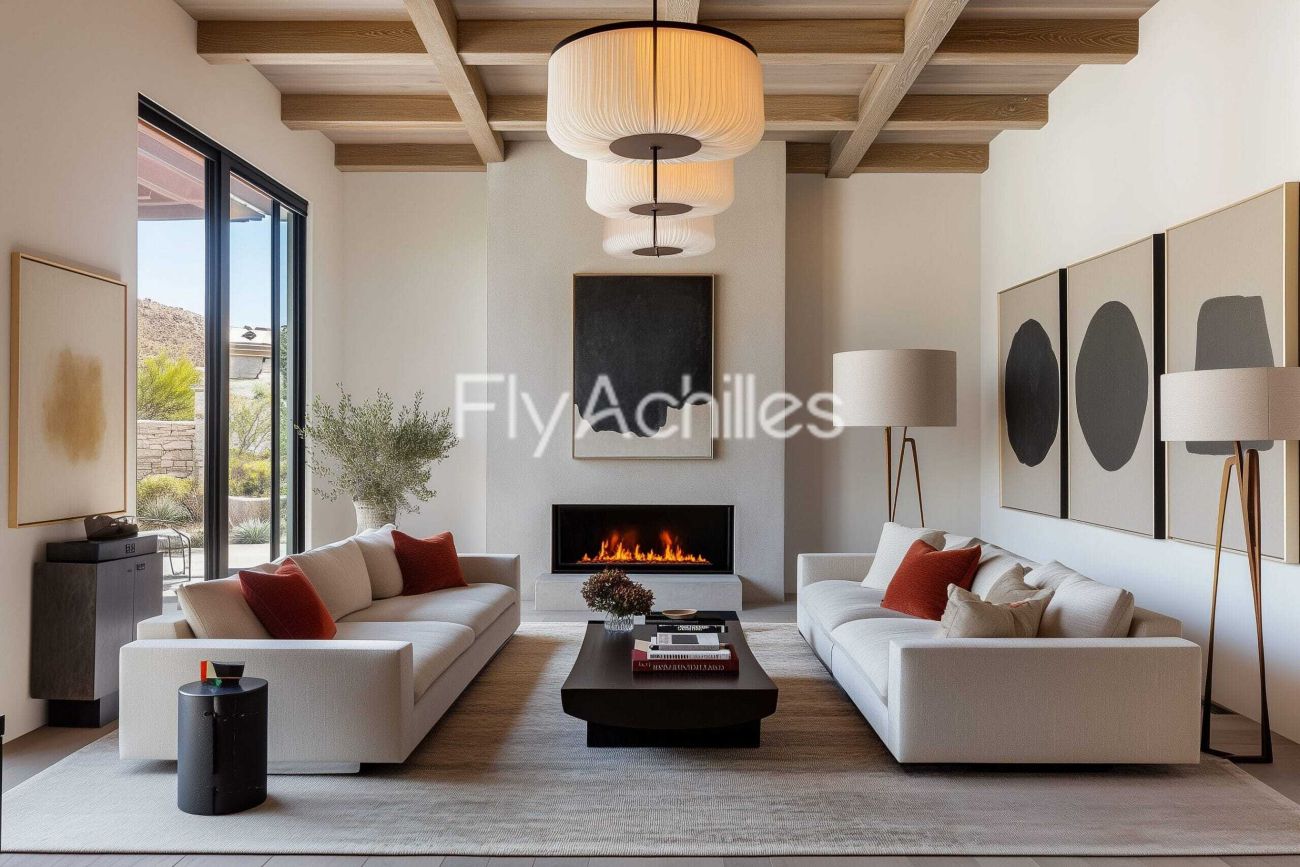
Scale is having a moment. Oversized pendants, dramatically large floor lamps, and sweeping chandeliers that command attention from every angle are defining the sculptural lighting conversation in 2026. These bold choices work particularly well in open-plan living areas, where a single striking fixture can unify an entire space and give it a distinct personality.
This does not mean bigger is always better. The art lies in selecting a piece that is large enough to create visual impact without overwhelming the room. It is about proportion, negative space, and the interplay between the fixture and its surroundings.

A Few Lamps We Love
If you are looking for pieces that embody these trends, here are some favorites. The Uttermost Cosmo Charcoal Table Lamp stands out with its textured, artisan-finished base and warm glow — the kind of fixture that anchors a side table or console with quiet confidence. Its charcoal tone pairs effortlessly with both muted and vibrant palettes, making it a versatile choice for nearly any living room setting.
Choosing Your Sculptural Centerpiece
Picking the right sculptural light for your home is not just about what catches your eye in a catalog. It is about understanding your space, your habits, and the mood you want to create. Here are the key factors to consider before making a decision.
What Catches Your Eye First
Start with your instinct. When you look at a room, what do you notice first? If you are drawn to clean lines, look for geometric sculptural forms — angular pendants, structured arc lamps, or crisp cylindrical shades. If texture and warmth appeal to you, seek out fixtures with hand-finished surfaces, woven elements, or irregular organic shapes.
Your existing furniture and décor should guide the conversation. A sculptural light should complement its surroundings, not compete with them. In a room already full of visual interest — bold wallpaper, statement furniture, layered textiles — choose a fixture that adds warmth without fighting for attention. In a more pared-back space, your sculptural light can become the undisputed hero.

Is It Functional or "Just" Art?
Some sculptural fixtures are strong on visual drama but modest on actual illumination. That is perfectly fine — if you know what you are getting. Consider whether the piece needs to serve as your primary light source, an accent, or purely a decorative element. A dramatic chandelier in the center of the room may not cast enough task-level light on its own, but paired with recessed ceiling lighting or a well-placed table lamp, it can set the mood perfectly.
Many modern sculptural lights offer dimmable options, which is a worthwhile feature to look for. The ability to adjust brightness means your statement piece can transition from ambient evening glow to a brighter setting when you need it — versatility that justifies the investment.
A Few Practical & Philosophical Angles
Pendant vs. Arc Lamp
Pendants anchor a room from above; arc lamps bring height from a corner without hardwiring. Choose based on your installation comfort level.
Table Lamp vs. Floor Lamp
Table lamps sculpt intimate vignettes on consoles and nightstands. Floor lamps fill vertical space and work well in open areas.
Textured vs. Smooth
Textured finishes add depth and a handmade quality. Smooth, polished surfaces create a refined, modern impression.
Warm vs. Cool Tones
Warm tones (brass, gold, amber glass) create intimacy. Cool tones (chrome, nickel, clear glass) feel fresh and contemporary.
Placement for Maximum Impact
Placement can make or break a sculptural fixture. Even the most beautiful lamp in the world loses its magic if tucked into a forgotten corner or installed at the wrong height. Consider these guidelines to get it right the first time.
Focal Point Strategy
Every room benefits from having a clear visual anchor. If your sculptural light is meant to be the star, give it breathing room. Avoid cluttering the surrounding area with competing decorative objects. Position it where the eye naturally falls upon entering the room — above a dining table, at the center of a seating arrangement, or in an entryway with generous ceiling height.
For table lamps, placement on a console, credenza, or prominent side table near the room's focal wall creates an immediate sense of intentional design. The key is to give the fixture enough context — a few carefully chosen objects nearby — without crowding it.
Height and Proportion
In the US and Canada, standard ceiling heights in homes are 8 to 9 feet. The most common recommendation for pendant fixtures is to hang them 30 to 36 inches above a table surface. However, if you are hanging a light purely as a visual centerpiece in a living room rather than over a dining surface, you will want the bottom of the fixture to sit at least 7 feet above the floor to ensure comfortable clearance.
For floor lamps, consider the sightlines from your seating positions. A sculptural floor lamp should be visible but not obstructive — placed behind or beside a sofa rather than directly in a traffic path. The goal is for the fixture to be admired from multiple angles without getting in the way of daily life.
Layered Lighting
Do not put the entire burden of illumination on a single fixture. Layered lighting — combining ambient, task, and accent sources — allows each piece to shine at its best. Your sculptural pendant or floor lamp can handle the atmospheric heavy lifting, while recessed lights or subtle wall sconces provide the functional brightness needed for reading, cooking, or everyday tasks. This approach ensures your statement piece remains a visual highlight rather than being diminished by the need to illuminate everything on its own.
Pro Tip
Install dimmer switches wherever possible. A sculptural light on a dimmer gives you the flexibility to shift moods throughout the day — bright and energizing in the morning, warm and atmospheric at night.
Balancing Aesthetics and Function
Beauty and practicality do not have to compete. The best sculptural lighting manages to deliver both — fixtures that captivate visually while still doing their primary job of illuminating your space effectively. Here is how to strike that balance.
The "Museum" Lighting Mistake
One common misstep is treating your living room like a gallery — choosing a fixture entirely for aesthetics without considering the quality of light it emits. A stunning pendant that casts harsh, unflattering shadows or a floor lamp that produces a narrow, concentrated beam may look incredible in a catalog but feel uncomfortable to live with daily.
Always consider the fixture's light output in lumens, its color temperature in Kelvin, and whether it offers dimmable functionality. Ideally, a sculptural piece should contribute to the room's overall warmth and livability — not just its visual appeal.
Look for Diffusion
If you want a sculptural fixture that doubles as a meaningful light source, pay attention to how it diffuses light. Fixtures with frosted glass, fabric shades, or translucent stone elements tend to cast a softer, more even glow across a room. Open-frame designs with exposed bulbs create dramatic shadows and silhouettes — beautiful as accent lighting, but not ideal if you need consistent, comfortable illumination for everyday activities.
Bulb Recommendations
If you have already purchased a beautiful sculptural fixture and want to fine-tune its performance, start with the bulb. A warm white LED in the range of 2700K to 3000K will complement most sculptural designs, providing a cozy glow that enhances the fixture's aesthetic rather than competing with it. If your light accepts decorative filament bulbs, even better — these vintage-style LEDs add visual interest even when unlit, reinforcing the sculptural quality of the overall design.
Finding the Right Scale
Scale is one of the most overlooked aspects of lighting design, yet it makes an enormous difference in how a fixture feels within a room. A lamp that is too small gets lost; a chandelier that is too large overwhelms. Here are some practical guidelines to help you choose confidently.
Quick Scale Reference
| Fixture Type | Living Room | Bedroom |
|---|---|---|
| Ceiling Pendant | 20–30" diameter | 16–24" diameter |
| Table Lamp | 26–34" tall | 24–30" tall |
| Floor Lamp | 60–72" tall | 58–66" tall |
| Chandelier | 24–36" diameter | 20–28" diameter |
A simple formula many designers use: add the room's length and width in feet, and that total in inches gives you an approximate ideal diameter for a central ceiling fixture. For instance, a 12-by-14-foot room points toward a pendant or chandelier around 26 inches across. For table lamps, a good guideline is that the lamp's total height should be roughly 1.5 times the height of the surface it sits on.
If your room has high ceilings (10 feet or above), scale up. Higher ceilings call for larger, more dramatic fixtures to fill the vertical space effectively. If your ceilings sit at the standard 8-foot mark, exercise restraint — choose a fixture with visual presence but a moderate physical footprint so it does not feel like it is pressing down on the room.
Scale Tips at a Glance
→ If it fits in a shoebox, it is probably too small for a living room focal point.
→ Tall ceilings (10ft+) call for fixtures at least 24–30 inches in one dimension.
→ Group smaller sculptural pieces in clusters for impact without bulk.
→ Use the room dimension formula: (Length + Width) in feet = fixture diameter in inches.
Conclusion
When you invest in sculptural lighting, you are not just buying another fixture — you are making a deliberate design statement. The right piece transforms a room from simply well-lit to truly alive with personality and character. Whether you gravitate toward biomorphic organics, bold geometric forms, or understated mixed-media creations, the sculptural lighting trends of 2026 offer something for every taste and every room.
Take your time, consider your space, and above all, choose something that genuinely speaks to you. Your living room deserves a fixture that does more than turn on — it should spark a reaction. At BACKYARD PROVIDER, we are here to help you find that piece. Explore our curated lighting collection and bring a touch of sculptural artistry into your home today.
Published by BACKYARD PROVIDER — Your Trusted Source for Home & Outdoor Living