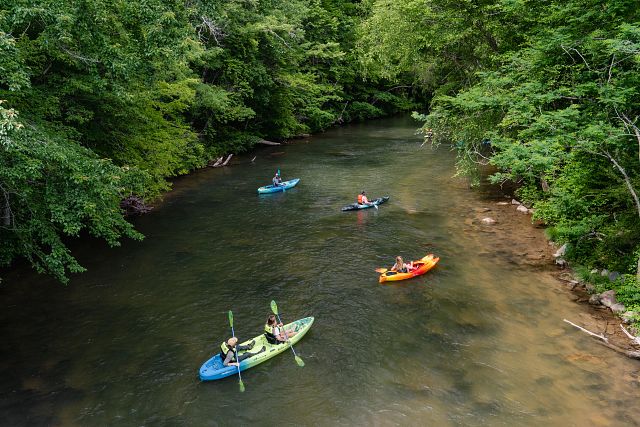
Selecting the right kayak can make all the difference in your outdoor experience. Among the most important decisions is whether to go with a sit-in or sit-on-top design. These two kayak categories serve different purposes, and understanding their unique characteristics will help you make an informed choice based on your personal preferences and intended activities.
Each style brings its own set of benefits to the water. Whether you're planning leisurely lake paddles, adventurous ocean excursions, or serious fishing trips, there's a kayak design perfectly suited to your needs. Let's explore what sets these two styles apart and help you determine which one belongs in your backyard.
Sit-On-Top Kayaks
Sit-on-top kayaks feature an open deck design where paddlers sit on top of the hull rather than inside an enclosed cockpit. This popular style has become the go-to choice for recreational paddlers, warm-weather enthusiasts, and those new to the sport. The open design creates an approachable and less intimidating experience for beginners while offering practical benefits that seasoned paddlers appreciate.
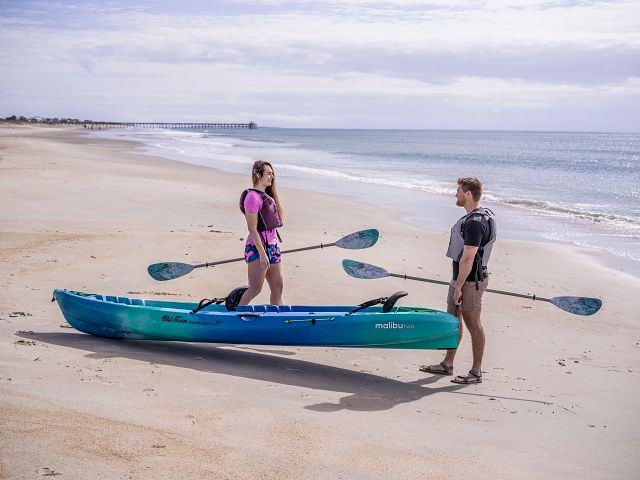
Advantages of a Sit-On-Top Kayak
Easy Entry & Exit
Getting on and off a sit-on-top kayak is remarkably simple. There's no cockpit to climb into, making it ideal for swimmers who want to hop in the water and back onto their kayak with ease.
Self-Draining Design
Scupper holes allow water to drain automatically, so you never have to worry about bailing out your kayak. Waves and splashes simply flow through and back into the water below.
Beginner Friendly
The open design reduces feelings of confinement and eliminates the fear of being trapped if the kayak flips. This makes sit-on-tops perfect for newcomers building their confidence.
Excellent Stability
Generally wider than sit-in models, sit-on-top kayaks offer superior initial stability. This makes them perfect for fishing, photography, or simply enjoying a relaxed day on the water.
Disadvantages of a Sit-On-Top Kayak
While sit-on-top kayaks excel in many areas, they do come with certain trade-offs worth considering. Their open design means you'll be more exposed to the elements—sun, wind, and water splashes will be constant companions. This makes them less suitable for cold weather or cooler water conditions.
The wider hull that provides stability also creates more wind resistance and typically results in slower speeds compared to sit-in models. Additionally, without a cockpit to brace against, paddlers may find they have less control during challenging conditions or when attempting advanced maneuvers.
The higher center of gravity can also make sit-on-tops feel less connected to the water, which some experienced paddlers may find less satisfying for technical paddling.
Sit-In Kayaks
Sit-in kayaks, also known as "traditional kayaks," "closed-deck kayaks," or "cockpit kayaks," position the paddler inside an enclosed space with their legs extending beneath the deck. This design has roots stretching back thousands of years to the indigenous peoples of Arctic regions who crafted kayaks from animal skins stretched over wooden or bone frames.
This time-tested configuration offers distinct performance advantages that continue to make it the preferred choice for touring enthusiasts, cold-water paddlers, and those seeking maximum efficiency on the water.
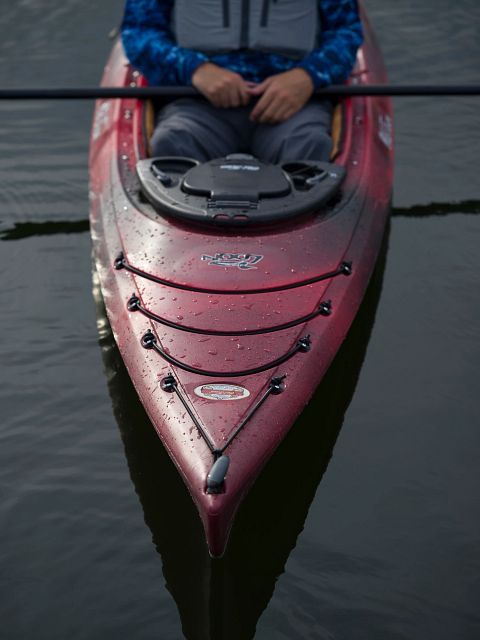
Advantages of a Sit-In Kayak
Weather Protection
The enclosed cockpit shields your lower body from wind, water, and sun. Paired with a spray skirt, you stay remarkably dry and protected even in challenging conditions.
Enhanced Performance
The narrower design cuts through water more efficiently, allowing for faster speeds and better tracking. This makes sit-ins ideal for covering longer distances with less effort.
Superior Control
With your knees braced against the inside of the hull, you can use your entire body to control the kayak. This connection enables advanced techniques like edging and rolling.
Lower Center of Gravity
Sitting lower in the kayak improves secondary stability and creates a more intimate connection with the water, enhancing the overall paddling experience.
Disadvantages of a Sit-In Kayak
Sit-in kayaks present a steeper learning curve for beginners. The enclosed cockpit can feel confining, and the possibility of becoming trapped during a capsize understandably causes concern for new paddlers. Learning proper wet exit techniques is essential before venturing into deeper water.
Re-entry after a capsize is considerably more challenging than with a sit-on-top model. Without assistance or specialized self-rescue training, getting back into a sit-in kayak from the water can be difficult. Larger paddlers may also find certain cockpit sizes restrictive.
Additionally, any water that enters the cockpit must be manually removed with a bilge pump or sponge, adding maintenance to your paddling routine.
Special Use Cases
While general recommendations can guide your decision, certain activities have specific requirements that may tip the scales toward one kayak style over the other.
🎣 Fishing
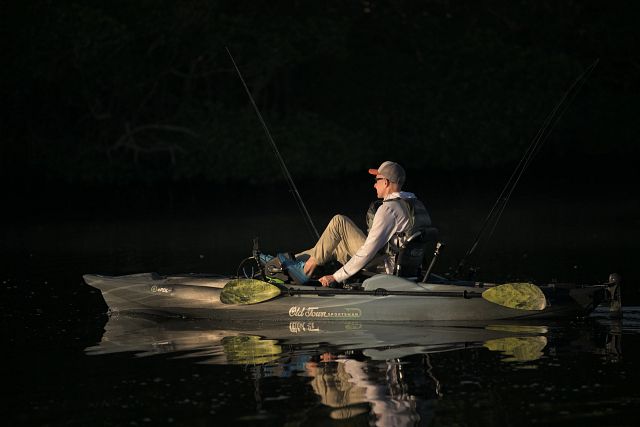
Anglers typically prefer sit-on-top kayaks for their superior stability, open deck space for gear, and ability to stand while casting. The self-draining design handles splashes and fish slime with ease. Many fishing kayaks also feature integrated rod holders, tackle storage, and mounting points for electronics. For serious kayak fishing, a dedicated fishing kayak with a wide, stable hull is hard to beat.
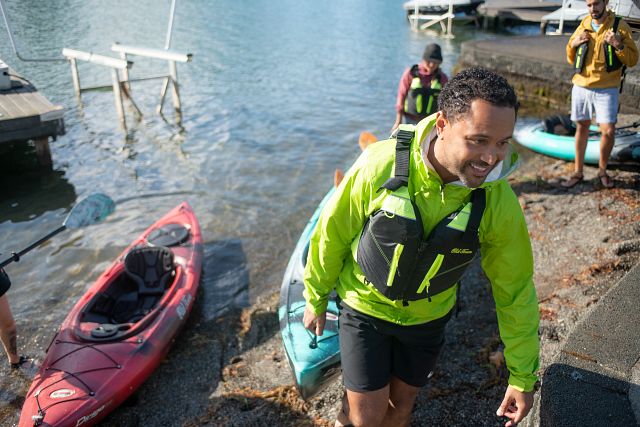
🧭 Touring
For long-distance paddling and multi-day adventures, sit-in touring kayaks reign supreme. Their efficient hull designs, ample storage compartments, and weather protection make covering miles comfortable and enjoyable. The enclosed cockpit paired with a spray skirt keeps you dry during extended sessions, and the narrower profile cuts through wind and waves with minimal resistance.
☀️ Recreation
For casual paddling on calm lakes, slow rivers, and protected coastal waters, recreational kayakers have plenty of excellent options in both categories. However, sit-on-tops tend to edge out for pure recreational use—their ease of use, stability, and swimming-friendly design make them perfect for relaxed outings. If you're planning family adventures or want a kayak that's forgiving and fun, a recreational sit-on-top is tough to beat.
Making Your Decision
Ultimately, the best kayak is the one that matches your priorities and gets you excited to hit the water. Consider where you'll paddle most often, what activities you'll pursue, and how important factors like speed, stability, and weather protection are to your experience.
For beginners, warm-weather paddlers, anglers, and those prioritizing stability and ease of use, sit-on-top kayaks offer an excellent starting point. Their forgiving nature builds confidence while delivering a thoroughly enjoyable paddling experience.
For those seeking speed, efficiency, weather protection, or planning longer adventures, sit-in kayaks provide performance advantages that become increasingly valuable as your skills develop. They're also the clear choice for cold-water paddling where staying dry is essential for safety.
The good news? There's no wrong choice—both styles can deliver countless hours of enjoyment on the water. Find the kayak that speaks to your paddling dreams and start your adventure!
Ready to Start Your Kayaking Adventure?
Explore our selection of premium kayaks designed to elevate your outdoor experience.