
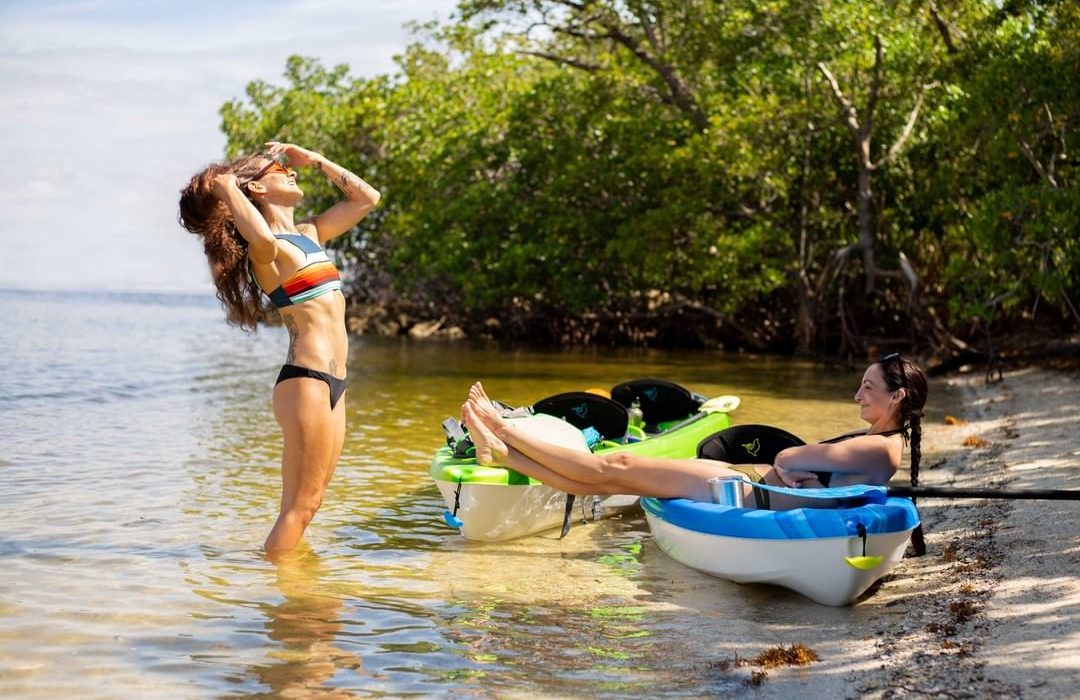
When it comes to purchasing a sit-on-top kayak, today's consumers have access to an incredible variety of brands and kayak styles. With so many options available, making the right choice can feel overwhelming. This comprehensive buying guide will help you navigate through the essential questions and determine which sit-on-top kayak perfectly matches your paddling needs.
Which Sit-On-Top Kayak Suits Your Activity?
Before making your purchase, consider what activities you'll primarily use your kayak for:
Taking time to honestly assess your intended use will guide you toward making the ideal selection.
Rigid Sit-On-Top Kayaks for Short Excursions
For paddling sessions ranging from 20 minutes to a couple of hours, stability becomes the most critical factor in your kayak selection. Whether you're heading out for a practice session, enjoying a quick day trip, or bringing along children or pets, you'll want a kayak that inspires confidence on the water. Prioritizing stability ensures a worry-free experience from launch to landing.
One important consideration is attaching a leash to your paddle, especially in calm waters. This simple precaution prevents losing your paddle in case of an unexpected tip, keeping you safe and prepared.
The sit-on-top design is highly recommended for beginners due to its intuitive nature and ease of use. These kayaks have earned their popularity because they're remarkably simple to enter and exit. Canadian rigid canoe kayak brands have been instrumental in making the decked kayak design accessible throughout Europe and beyond.
Among the most respected brands in the industry, you'll find RTM, Pelican, BIC Sport, and RPI kayak manufacturers, all known for their quality craftsmanship and reliable designs.
Sit-On-Top Kayaks Designed for Touring
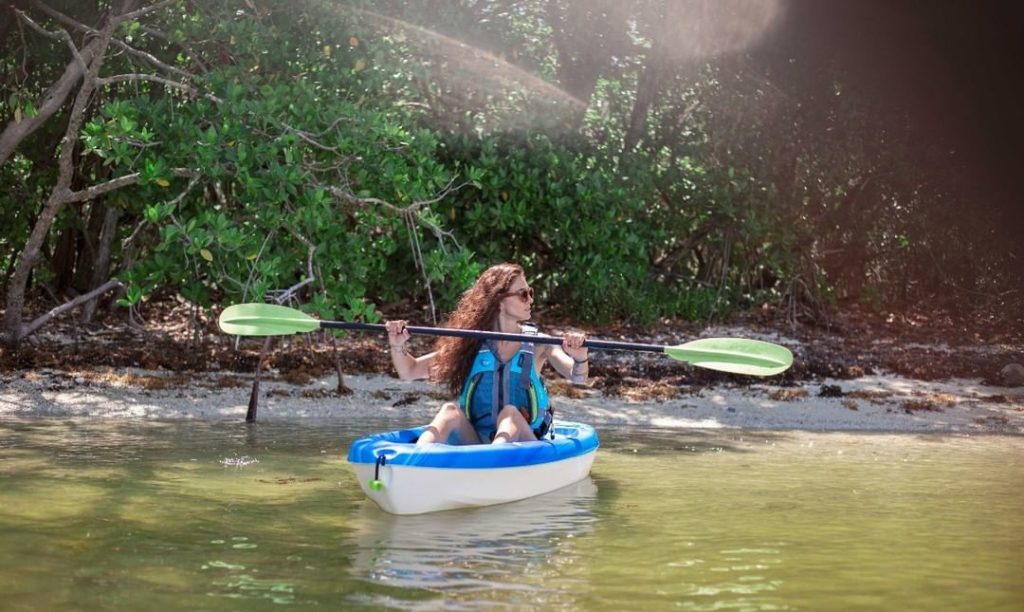
When your paddling sessions extend beyond two hours, you'll need a kayak that delivers optimal glide efficiency and substantial cargo capacity for your waterproof gear and supplies.
The touring kayak format features an elongated, streamlined hull that's relatively lightweight for its dimensions. Look for models equipped with deck elastic cords where you can secure your belongings, a water bottle, snacks, a map, and a towel for longer journeys. For extended touring, experienced paddlers often prefer carbon or fiberglass deck models for hiking-style adventures, though premium materials come with higher price points that aren't suitable for every budget.
When examining the top manufacturers in the sit-on-top touring kayak segment, you'll encounter rotomolded brand kayaks like Disco Plus, Tempo, and various RPI brand sea kayaks, including the popular Septa series.
Fishing Kayaks: The Sit-On-Top Advantage
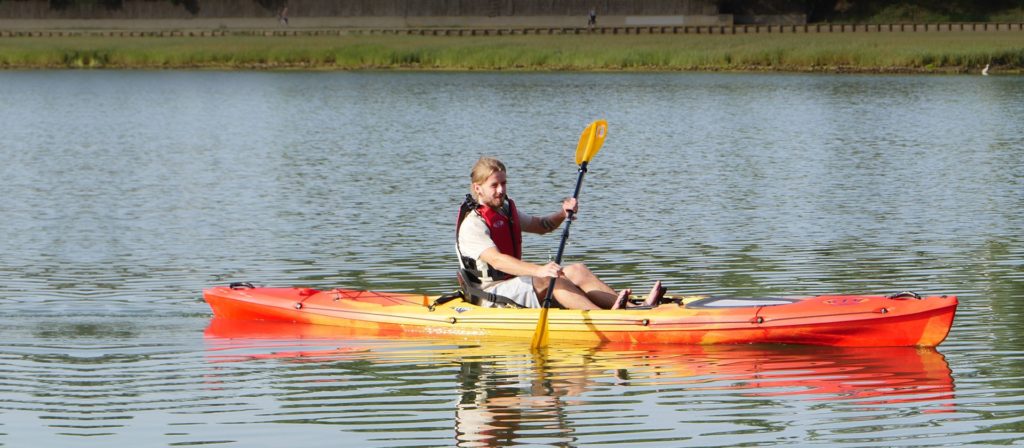
Fishing from a kayak has become an incredibly popular pastime, offering a relaxing way to enjoy your favorite fishing spots. Whether you prefer saltwater fishing, lake angling, or river casting, a purpose-built fishing kayak enhances your experience significantly.
Fishing kayaks come equipped with specialized features designed specifically for anglers: built-in rod holders, probe wells, storage trunks, bait boxes, and measurement scales are commonly included.
Generally speaking, fishing kayaks feature a wider beam compared to standard kayaks, particularly among sit-on-top models. This additional width provides the stability needed for standing upright, which is especially valuable when fishing with lines.

Kayaks for Lake and River Adventures
Theoretically, paddling in calm waters classified up to Class III difficulty doesn't require any specialized equipment. All you really need is a vessel that floats and nothing more elaborate.
The most comfortable approach involves having a cushioned seat and sufficient cargo capacity for your personal belongings, especially if you're planning a multi-day adventure.

How Much Does a Kayak Weigh?
From a practical standpoint, reading specifications and actually carrying a kayak are two completely different experiences. An 18 kg kayak, for instance – does that seem heavy to you? It's actually quite lightweight. Consider that it's comparable to hauling two packs of water bottles, and most kayaks theoretically weigh around 9 kg. Remember: you only carry the weight once to launch.
Keep weight in perspective when making your choice, but don't rush to judgment too quickly. Rotomolded kayaks (RTM or RPI construction) tend to be heavier than thermoformed sheet kayaks (BIC style), though their construction offers superior durability and resistance.
Making Your Final Decision
In summary, selecting the right sit-on-top kayak isn't overly complicated when you address these fundamental questions. Since budget represents a deeply personal consideration, it isn't extensively discussed here. However, it's worth noting that larger investments typically yield more sustainable and longer-lasting kayaks, with a few exceptions for special-case scenarios. Exercise caution with brands that promote artificially inflated prices alongside substantial discounts, and invest wisely for years of paddling enjoyment.
Ready to Start Your Kayaking Journey?
Discover the perfect sit-on-top kayak for your adventures with our featured selection.
Vibe Yellowfin 120 Kayak