
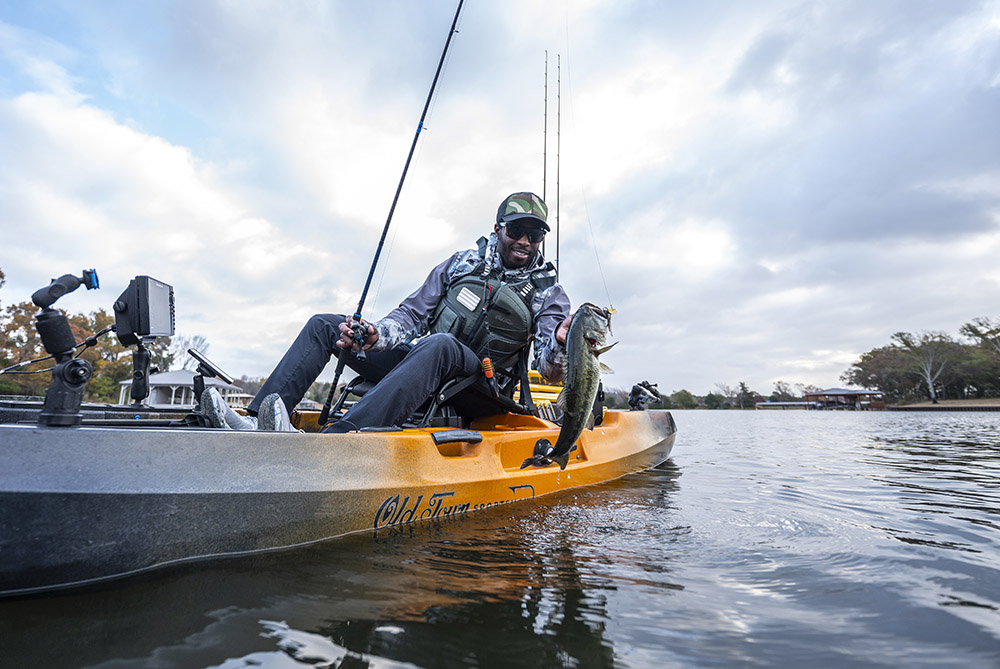
Kayak fishing has exploded in popularity over recent years, offering anglers a unique way to connect with nature while pursuing their passion. Whether you're a beginner just starting out or an experienced fisherman looking to upgrade your setup, understanding the right equipment can make all the difference between a frustrating day and an unforgettable fishing experience.
The beauty of kayak fishing lies in its versatility. You can access remote fishing spots that larger boats simply cannot reach, navigate through shallow waters with ease, and enjoy the peaceful solitude that comes with paddle-powered exploration. However, to truly maximize your time on the water, you need to invest in quality gear that enhances both your safety and fishing success.
What to Consider When Selecting Kayak Fishing Gear and Accessories
Before diving into specific products, it's important to understand what makes kayak fishing equipment effective. Your choices should be based on several critical factors that will determine how well your gear performs in real-world conditions.
The foundation of your fishing setup starts with selecting the right kayak. Sit-on-top models offer excellent stability and are easier to get in and out of, making them ideal for beginners. Sit-inside kayaks provide better protection from the elements and improved speed. Consider factors like weight capacity, storage space, and built-in rod holders when making your choice.
Where you plan to fish significantly impacts your equipment needs. Calm lakes and slow-moving rivers require different gear than coastal waters or fast-flowing streams. Salt water demands corrosion-resistant materials, while freshwater fishing might allow for more budget-friendly options. Always match your equipment to your primary fishing environment.
Temperature, wind conditions, and seasonal changes all play crucial roles in determining what you'll need. Cold weather requires proper insulation and dry suits, while summer fishing calls for sun protection and hydration solutions. Consider investing in gear that adapts to multiple seasons to maximize your investment.
Limited space on a kayak means every inch counts. Look for accessories that help you organize tackle, rods, and personal items efficiently. Waterproof storage solutions protect your valuables from moisture, while accessible compartments keep frequently used items within easy reach without compromising your stability.
Quality fishing gear is an investment that pays dividends over time. While it's tempting to choose cheaper alternatives, durability and reliability should be your top priorities. Start with essential items and gradually build your collection as you gain experience and understand your specific needs better.
Featured Product: Premium Tandem Fishing Kayak
For those looking to share the kayak fishing experience with a partner or family member, a tandem kayak offers unmatched versatility. These larger vessels provide ample space for two anglers, complete with multiple rod holders, generous storage capacity, and enhanced stability for standing while casting.
Yellowfin 130T Tandem
Essential Kayak Fishing Accessories You Shouldn't Overlook
Beyond the kayak itself, certain accessories transform a basic fishing platform into a highly functional angling machine. These items enhance your comfort, increase your catch rate, and ensure your safety throughout your fishing adventures.
Personal Flotation Device (PFD)
Safety comes first, always. A quality PFD designed specifically for kayak fishing provides buoyancy without restricting your casting motion. Modern fishing PFDs include multiple pockets for storing tackle, tools, and other essentials. Look for models with adjustable straps and breathable materials that keep you comfortable during long sessions on the water.
Paddle Selection
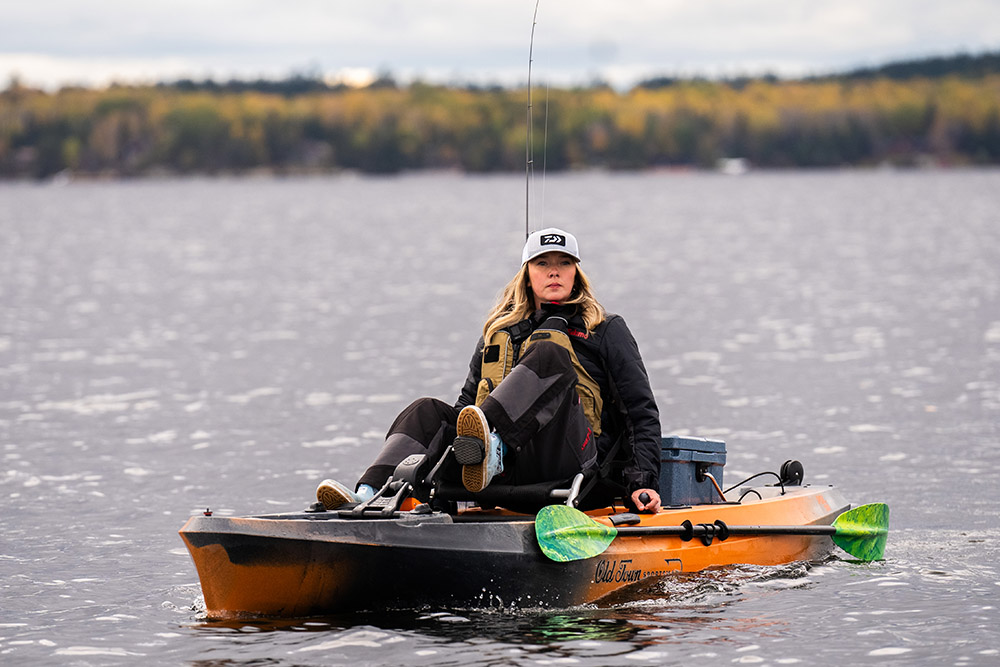
Your paddle is your primary means of propulsion and control. Lightweight materials like carbon fiber or fiberglass reduce fatigue during extended paddling sessions. Adjustable-length paddles accommodate different kayak widths and paddling styles. Consider a paddle leash to prevent losing your paddle during fish fights or in windy conditions.
Anchor Systems
Maintaining position while fishing is crucial for success. A reliable anchor system keeps you steady in current or wind, allowing you to focus on fishing rather than constantly adjusting your position. Folding anchors work well in various bottom conditions, while anchor trolleys let you adjust your angle relative to wind and current.
Rod Holders
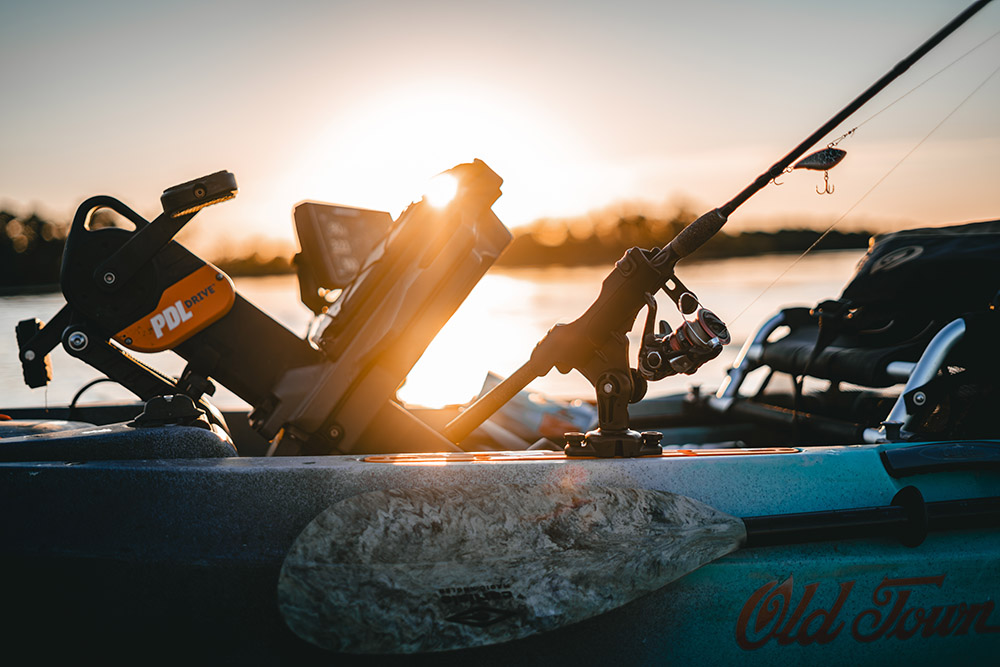
Freeing up your hands while trolling or waiting for a bite is essential. Multiple rod holders allow you to fish several lines simultaneously or keep rods secure while paddling. Flush-mount holders integrate cleanly with your kayak, while adjustable models let you customize angles for different fishing techniques.
Fish Finders and Electronics
Technology gives you a significant advantage in locating fish. Modern fish finders display water depth, bottom structure, and fish locations in real-time. GPS-enabled units help you mark productive spots and navigate safely. Ensure your chosen electronics are waterproof and compatible with kayak mounting systems.
Storage Solutions
Organizing your tackle and gear efficiently maximizes your fishing time. Waterproof bags protect electronics and valuables from moisture. Tackle organizers keep lures and baits sorted and accessible. Milk crate systems provide customizable storage that adapts to your specific needs.
Landing Tools
Successfully landing your catch requires proper equipment. A fishing net with an extendable handle helps you land fish while maintaining stability. Lip grippers safely control toothy species. Measuring boards ensure compliance with size regulations, while quality pliers assist with hook removal.
Proper Clothing and Protection for Kayak Fishing
What you wear on the water directly impacts your comfort and safety. Appropriate clothing protects you from the elements while allowing freedom of movement necessary for casting and paddling.
Sun Protection
Extended exposure to sunlight poses serious health risks. Long-sleeve fishing shirts with UPF ratings block harmful UV rays while keeping you cool through moisture-wicking fabrics. Wide-brimmed hats shield your face and neck, while polarized sunglasses reduce glare and help you spot fish beneath the surface.
Footwear
Proper footwear provides traction on wet surfaces and protects your feet during launches and landings. Water shoes or sandals with secure straps work well in warm weather. Neoprene boots keep your feet warm in cooler conditions. Look for quick-drying materials that won't hold water or create discomfort.
Weather-Appropriate Layers
Conditions on the water change rapidly. Layering allows you to adjust to temperature fluctuations throughout the day. Base layers wick moisture away from your skin. Insulating mid-layers trap warmth without bulk. Waterproof outer shells protect against rain and splash while remaining breathable.
Pro Tips for Kayak Fishing Success
Start with essential gear and expand your collection based on experience. Practice paddling and fishing techniques in calm conditions before tackling challenging waters. Always inform someone of your fishing plans and expected return time. Check weather forecasts and water conditions before every trip. Maintain your equipment regularly to ensure reliability when you need it most.
Caring for Your Kayak Fishing Equipment
Proper maintenance extends the life of your investment and ensures your gear performs reliably when you need it. After each fishing trip, rinse all equipment with fresh water to remove salt, dirt, and debris. Pay special attention to moving parts like paddle joints and anchor systems.
Store your kayak properly when not in use. Keep it out of direct sunlight to prevent UV damage to the hull material. Support the kayak properly to avoid warping or stress points. Cover it with a protective tarp or store it indoors when possible. Check all fittings, screws, and hardware regularly for signs of corrosion or loosening.
Inspect your PFD regularly for tears, worn straps, or damaged buckles. Test inflation mechanisms if you use an inflatable model. Replace any damaged safety equipment immediately rather than risking failure on the water. Keep a maintenance log to track repairs and replacements, ensuring nothing gets overlooked.
Safety Considerations for Kayak Anglers
Kayak fishing is generally safe when you follow proper precautions and respect the power of nature. Always wear your PFD regardless of water conditions or your swimming ability. File a float plan with a trusted person before departing, including your intended location, route, and expected return time.
Weather awareness is critical for safe kayaking. Monitor forecasts before launching and watch for changing conditions while on the water. Wind creates waves that challenge stability and make paddling difficult. Lightning poses extreme danger on open water. If threatening weather develops, head to shore immediately.
Carry essential safety equipment beyond your PFD. A whistle signals for help when needed. A waterproof light ensures visibility if you're out longer than planned. A basic first aid kit addresses minor injuries. Keep a communication device like a cell phone in a waterproof case or consider a marine radio for remote areas.
Fishing Techniques Adapted for Kayaks
Kayak fishing requires modified techniques compared to fishing from shore or larger boats. Your mobility and stealth provide advantages, but limited space and stability considerations require adaptation. Master these techniques to maximize your success on the water.
Casting from a Seated Position
Most kayak fishing happens while seated, which requires adjusting your casting motion. Keep your movements controlled to maintain balance. Side-arm casts often work better than overhead casts in a kayak. Practice different casting angles to cover water effectively without compromising stability. Learn to cast accurately with minimal motion for the best results.
Trolling Strategies
Trolling while paddling covers water efficiently and keeps your lures moving naturally. Use rod holders to manage multiple lines while maintaining control of your kayak. Vary your paddling speed to change lure action and trigger strikes. Pay attention to your fish finder to identify productive depths and structures worth targeting.
Anchor Positioning
Strategic anchoring turns your kayak into a stable fishing platform. Position yourself upwind or up-current from your target area. Use an anchor trolley to adjust your angle without re-anchoring. In shallow water, a stake-out pole provides quick and quiet positioning. Learn to read water conditions and position yourself for optimal casting angles.
Fighting Fish from a Kayak
Landing fish from a kayak requires patience and technique. Keep your rod tip up and let your reel's drag system do the work. Avoid sudden movements that could capsize your kayak during the fight. Position yourself properly before netting fish. Use the kayak's stability to your advantage by leaning away from hard-running fish.
Respecting the Environment While Kayak Fishing
Kayak anglers enjoy pristine natural environments that require our protection and respect. Practice catch-and-release fishing to preserve fish populations for future generations. Handle fish carefully to maximize their survival after release. Use barbless hooks that minimize injury and make release easier.
Leave no trace during your fishing adventures. Pack out all trash, fishing line, and broken tackle. Dispose of waste properly at designated facilities. Avoid disturbing wildlife and nesting areas. Respect private property and observe local regulations regarding access points and protected areas.
Consider the impact of your fishing methods on the environment. Use non-toxic weights and lures when possible. Avoid dragging anchors through sensitive bottom habitats. Be mindful of spawning seasons and protected species. Your actions today determine the quality of fishing available for future generations.
Building Your Perfect Kayak Fishing Setup
Creating an effective kayak fishing setup is a personal journey that evolves with experience. Start with quality basics and expand your arsenal as you discover your preferences and target species. Every fishing trip teaches valuable lessons about what works best in different conditions.
Remember that the most expensive gear doesn't guarantee success. Knowledge, skill, and time on the water matter more than having every latest gadget. Focus on mastering fundamental techniques and understanding fish behavior. Let your growing experience guide future equipment purchases rather than buying everything at once.
The kayak fishing community welcomes newcomers with helpful advice and shared knowledge. Connect with local paddling groups or online forums to learn from experienced anglers. Share your own discoveries and help others enjoy this rewarding sport. The friendships and memories created through kayak fishing often prove as valuable as the fish caught.
Ready to Start Your Kayak Fishing Adventure?
Equip yourself with a reliable tandem kayak that accommodates solo trips or fishing with a partner. Built for stability, comfort, and fishing performance, the right kayak becomes your trusted companion for countless memorable days on the water.
Yellowfin 130T TandemWhether you're exploring local ponds or venturing into coastal waters, kayak fishing offers an intimate connection with nature and the thrill of the catch. With proper equipment, safety awareness, and respect for the environment, every trip becomes an opportunity for adventure and discovery. Start planning your next kayak fishing expedition today and experience the freedom that comes with paddle-powered angling.