
Whether you're chasing largemouth bass, striped bass, or any other species, fishing from a kayak offers an incredible experience. Why consider kayak fishing over a powerboat? The decision often comes down to economics, accessibility, storage space, boat weight, and personal preference. Even if you already own a traditional boat, a fishing kayak opens up waters that larger vessels simply cannot reach. The key is selecting the right kayak and equipping it properly for your adventures.
Select the right fishing kayak and outfit it correctly—it will serve you well for countless seasons on the water.
Selecting Your Fishing Kayak
Fishing kayaks come in several styles including sit-inside, sit-on-top, and hybrid designs. For anglers, sit-on-top models are highly recommended over other types because they offer better accessibility, easier re-entry if you fall in, and more room for tackle storage and rod holders. Sit-on-top kayaks allow you to stand while casting, move freely while fighting a fish, and provide simple access to your gear throughout the day.
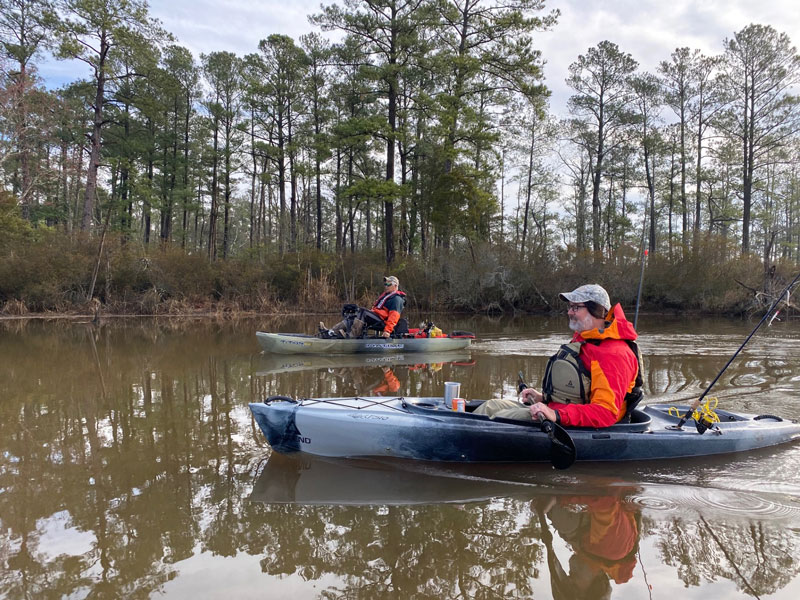
Pedal-powered kayaks generally cost more than paddle-only models, but the investment is worthwhile. You can choose between native, high-end, or budget-friendly options depending on your needs. Some anglers prefer settled pedal boats after experiencing various types and settling on models that allow them to move along shorelines, troll effectively, cast while standing, and maintain position in current or wind.
Pedal kayaks also provide instant reverse capability when you need it most. You'll still want to bring a paddle for skinny water where pedal systems might struggle, but having both options gives you maximum versatility on the water.
Size Considerations: Body size and intended use matter when choosing a kayak. Weight restrictions apply to all boats—if you're over six feet tall and weigh more than 200 pounds, a 10-foot kayak likely won't work well. Consider whether you'll transport it in a truck bed, on a trailer, or on a roof rack. Can you lift it overhead? Weight limits and actual kayak weight deserve careful consideration before purchasing.
Essential Fishing Kayak Gear
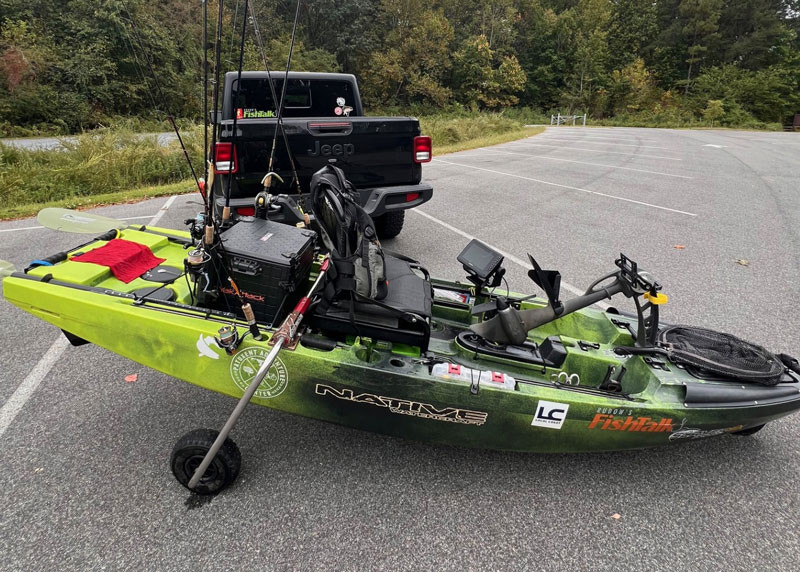
Crates, storage solutions, and specialized accessories—you'll need plenty of gear for successful kayak fishing. Before launching, familiarize yourself with safety equipment requirements. A personal flotation device (PFD) is mandatory and required by law in most areas. It must include a whistle or other sound-producing device. You aren't required to wear your PFD constantly, but it needs to remain within easy reach. Experienced kayakers prefer wearing their PFD while on the water because it not only keeps you afloat but also provides attachment points for tools and pockets for storing items like lures and your cell phone.
Before focusing on outfitting details, consider adding a first aid kit to your setup. Mine has saved me numerous times—whether getting a hook out of my hand, treating a cut from a fish, or addressing minor injuries. Use your radio when fishing with a group of friends; you'll share information between anglers and communicate easily as the day progresses.
Safety Equipment and Navigation
If you're fishing at night, you'll need a white light that's ready at hand or illuminated for safety. Powering your kayak with an electric motor also requires navigation lights, similar to any powerboat on the water.
Letting family or friends know your float plan is another safety protocol that makes good sense. Before heading out on the water, let someone know where you'll be launching from, where you'll be fishing, and when you plan to return. Weather conditions can change, accidents can occur, and other issues may arise. If you'll be fishing during cooler months of the year, check out resources on winter kayak safety before heading out.
⚠️ Important: Kayaks are notoriously wet from getting in and out of the boat, wave action, and casting. Always use waterproof storage containers and recommend protecting your valuables in waterproof bags or boxes.
Storage and Tackle Organization
Most fishing kayaks come with hatches, tiedown spacers, drawers, or fixed places molded into the body of the boat to stow your gear. However, you'll most likely want a bit more storage space. Like many kayak anglers, a crate serves more than one purpose because it not only holds tackle boxes but also things like a first aid kit, a jacket or raincoat, and additional gear. Most fishing kayaks also offer rod holders for all those extra rods you'd like to bring along.
You can carry up to eight or more fishing rods if you like, though most occasions call for only four to six. This gives you the flexibility to change baits without having to re-rig by simply changing rods.
You may also want additional rod holders for trolling. Avoid using the same rod holders where you sit and can't watch them. Trolling rod holders are mounted on rails and positioned in your forward view, so you can see if you get a bite and respond quickly to play the fish.
Anchoring Your Kayak
Anchors prove essential for kayak fishing. Now you'll only carry an anchor when fishing moving water and need to remain in place to bottom fish. You need to use an anchor system or tie the anchor to the bow or transom of the boat, keeping in mind that you will need to reach it to retrieve it in a safe manner. You don't want to use your anchor on the side of your kayak because in swift water you can get yourself into trouble quickly and swamp your boat or turn it over.
Pro Tip: Most anglers also want a fishfinder. You have two different types of sonar—a standard fishfinder that reads the bottom and another that has side-scan. Keep in mind that if you only fish shallow water you may not need a fishfinder because the depth isn't there to see fish. If you are fishing a freshwater lake, small body of water, or casting on a shoreline, you may only need down-scan technology. But if you are chasing schools of redfish, striped bass, or other open-water fish, side-scan is a great benefit and can help you keep on the school.
Ready to Get Started
Now you have a kayak and all the gear. The next obvious question is: where will you fish? Start by looking in your local area, entering some local bodies of water into the search bar to see if they've been covered in detail. Click on the kayak button and visit the kayak fishing pages where you'll find additional information on the above and much more. Remember, a cast not taken is a fish not caught—so take that cast from a kayak and hang on!
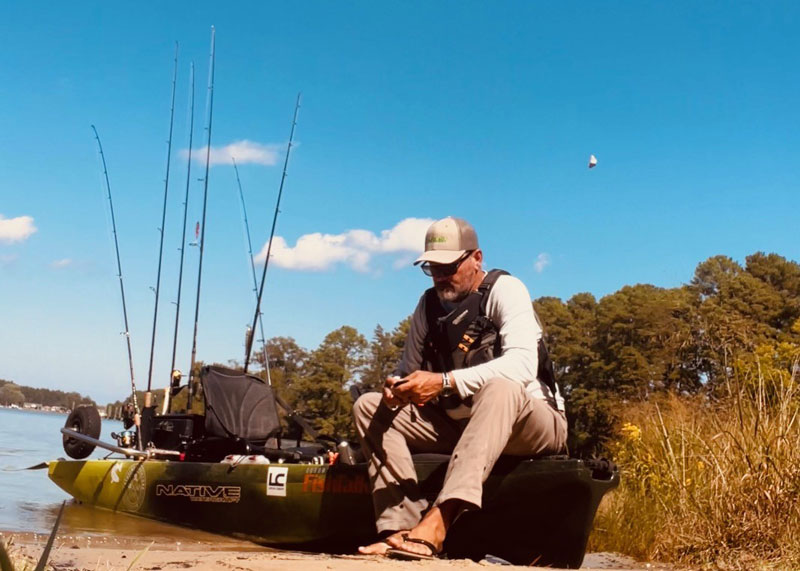
Start Your Kayak Fishing Journey Today
Discover our premium fishing kayak selection designed for beginners and experienced anglers alike.
Vibe Yellowfin 120 KayakEquip yourself with the right gear and discover the joy of fishing from a kayak—an experience like no other.