
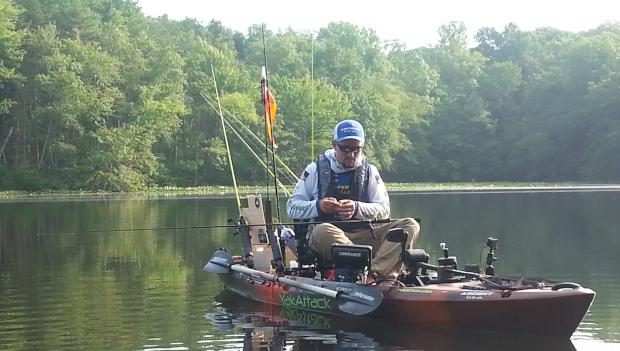
Have you been dreaming about gliding across calm waters with a fishing rod in hand? If so, finding the right fishing kayak is your first step toward making that vision a reality. With more anglers choosing kayaks over traditional powerboats, understanding what makes a great fishing kayak has never been more important.
Kayaks offer incredible advantages for fishing enthusiasts. They provide easy launching, smooth navigation in shallow waters, and a quiet approach that won't spook the fish. Plus, they're far more economical than fuel-guzzling motorboats. But before you make your purchase, there are several key factors to consider.
Selecting the Right Kayak Style
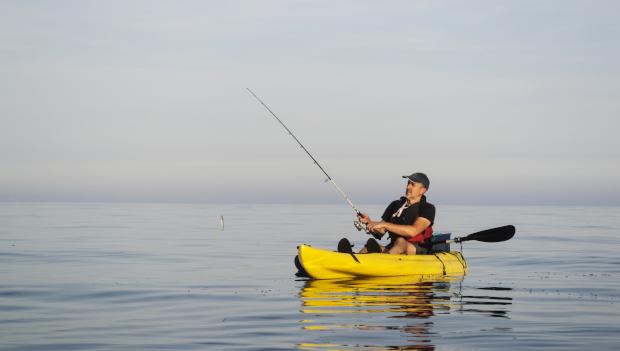
Your first major decision involves choosing between a sit-inside or sit-on-top kayak design. Sit-on-top kayaks are particularly popular among anglers because they offer unrestricted movement and easy access to your tackle and gear. You won't feel cramped or confined, making those long fishing sessions much more comfortable.
Sit-on-top models also feature self-draining scupper holes that allow water to exit the hull automatically—a practical advantage when waves splash over the deck. However, if staying dry and maintaining warmth is your priority, or if you plan to paddle faster in cooler water, a sit-inside kayak might better suit your needs.
Another excellent option to explore is pedal-driven kayaks. Unlike traditional paddle kayaks where you propel yourself forward with arm strokes, pedal kayaks work similarly to riding a bicycle. This design keeps your hands completely free for casting, reeling, and handling fish. While pedal kayaks tend to be pricier and heavier, many serious anglers consider them worth the investment.
For those new to kayak fishing, consider starting with a quality used kayak. This approach lets you experience different features firsthand and determine your preferences before committing to a brand-new vessel.
How Your Kayak Should Be Constructed
The length and width of your fishing kayak significantly impact your on-water experience. Consider how and where you'll primarily fish when making this decision. If you prefer trolling offshore or casting in open water, a longer, narrower kayak will serve you well—these designs excel at covering distance efficiently.
Conversely, if you favor stationary fishing, fly casting, or sight fishing, a shorter, wider kayak offers superior stability. Wider hulls make standing significantly easier, which many anglers prefer when scanning the water or making precise casts.
Seating comfort deserves serious attention. Look for a kayak with an adjustable seat that provides a gentle bend for your knees. You'll spend hours in this position, so comfort isn't optional—it's essential. Test seats whenever possible before purchasing.
Storage capacity matters tremendously for anglers. Evaluate the available space for rod holders, tackle boxes, camera mounts, and fish finders. The best fishing kayaks come equipped with built-in storage compartments featuring waterproof hatches to protect your valuable gear from splashes and unexpected swells.
Paddle vs. Pedal: Making the Choice
When choosing a pedal-driven kayak or any kayak requiring a paddle, ensure the paddle length matches your height and your kayak's beam width. An improperly sized paddle creates inefficient strokes and unnecessary fatigue. Your paddle should feel like a natural extension of your body—light enough to use all day yet sturdy enough to power through wind and current.
Is Your Kayak Stable Enough?
Where you plan to fish dramatically affects your stability requirements. Calm, protected waters like ponds and sheltered lakes allow for more kayak variety. However, large open water bodies with waves and wind demand a kayak engineered for challenging conditions.
When evaluating stability, pay close attention to hull design. Flat-bottom kayaks provide excellent initial stability and work wonderfully in calm conditions. For rougher waters, look for a hull measuring at least 30 inches wide. Kayaks that are too broad become sluggish; those too narrow feel tippy and unpredictable.
On larger bodies of water, stability and speed both matter. Longer, narrower kayaks handle waves more gracefully, allowing you to maneuver easily and glide smoothly between swells. These designs also cover ground faster, getting you to prime fishing spots more quickly.
Easy Transportation Is Essential
Every feature you add to your fishing kayak increases its overall weight. Consider this carefully when planning your purchase. How will you transport your kayak from home to the water? Can your vehicle accommodate it? Will you use a roof rack, trailer, or truck bed?
Lighter kayaks simplify every aspect of your fishing trips—loading, unloading, and portaging between water bodies all become manageable tasks. Think realistically about your physical capabilities and logistics before falling in love with a feature-heavy heavyweight.
Visibility and Safety on the Water
When sharing the water with powerboats, visibility becomes a safety priority. Brightly colored kayaks in yellow, orange, or lime green stand out against the water and help other boaters spot you from a distance. While camouflage patterns might appeal to hunters, they can make you nearly invisible to approaching vessels.
Beyond kayak color, always wear a brightly colored life vest. This essential safety gear serves double duty by keeping you visible and keeping you safe if you unexpectedly end up in the water.
Ready to Start Your Kayak Fishing Journey?
Discover the perfect fishing kayak that combines stability, comfort, and performance for unforgettable angling adventures.
Vibe Yellowfin 120 KayakExceptional State Parks for Kayak Fishing
Once you've selected your perfect fishing kayak, incredible destinations await across the country. Here are some outstanding state parks renowned for their kayak fishing opportunities:
Massasoit State Park, Massachusetts
Located at the north end of Lake Rico, this park features a convenient boat launch for easy kayak access. The lake receives regular stocking, virtually guaranteeing you won't return empty-handed. Beyond fishing, families can enjoy hiking trails, mountain biking paths, and a fantastic playground for younger adventurers.
Fort Boonesborough State Park, Kentucky
History and fishing combine beautifully at this Kentucky gem founded by Daniel Boone himself. Kayak anglers regularly report excellent catches from these waters. When you need a break from fishing, explore the full-scale replica of the original fort and immerse yourself in frontier history.
General Coffee State Park, Georgia
Experience the magic of paddling through the Seventeen-Mile River surrounded by ancient cypress swamps. This diverse environment offers exceptional kayak fishing amidst stunning natural beauty. Farm animals throughout the park delight children, making this an ideal family destination.
East Canyon State Park, Utah
This reservoir destination offers phenomenal fishing alongside a wealth of recreational activities. A well-maintained boat launch makes kayak access simple. When not fishing, enjoy swimming, hiking, picnicking, and spectacular wildlife viewing throughout the park.
Final Thoughts
Selecting the right fishing kayak requires balancing multiple factors—stability, storage, comfort, transportability, and visibility. Take time to assess your specific needs based on where and how you plan to fish. Whether you choose a sit-on-top for maximum freedom, a pedal kayak for hands-free fishing, or a sleek design for covering distance, the perfect kayak awaits. Your next great fishing adventure starts with finding the vessel that matches your angling dreams.
Don't forget to obtain your fishing license before heading out!
Shop Vibe Yellowfin 120