
Kayak fishing opens up a world of possibilities that traditional boat fishing simply cannot match. With a fishing kayak, you gain access to secluded coves, shallow creeks, and remote waterways that remain untouched by motorized vessels. The quiet approach allows you to glide silently toward your target, becoming one with the water rather than disturbing it.
Whether you are a seasoned angler looking to expand your fishing horizons or a newcomer eager to experience the sport in its most intimate form, understanding fishing kayaks is your first step toward unforgettable adventures on the water.
What Exactly is a Fishing Kayak?
Fishing kayaks distinguish themselves from recreational and sea kayaks in several important ways. They typically measure between 11 and 13 feet in length, though some models extend to 14 feet for enhanced tracking and speed. The hull design prioritizes stability over speed, featuring a wider beam that creates a steady platform for casting, reeling, and even standing.
The cockpit area on a fishing kayak tends to be more open compared to touring models, granting anglers greater freedom of movement and easier maneuvering when fighting fish. This open design proves especially valuable for beginners who appreciate the additional space while developing their paddling and fishing skills simultaneously.
Storage Solutions: Most fishing kayaks include a waterproof front hatch for storing lunch, spare clothing, and personal items you want to keep dry throughout your expedition.
Comfort Features: Adjustable seating systems allow you to find the perfect position, while adjustable footrests accommodate paddlers of different heights for extended comfort during long sessions.
Fishing Integration: Rod holders, gear tracks, tackle storage areas, and bungee systems transform these vessels into complete fishing platforms.

What truly separates fishing kayaks from standard models is the integration of angling-specific accessories. Many fishing kayaks come equipped with built-in rod holders, secure tackle storage compartments, and elastic cord systems for managing gear. On premium models, you will find pedal-powered propulsion systems, motor-compatible transoms, GPS mounting points, and sophisticated fish finder installations.
These advanced features allow anglers to reach their fishing spots quickly while keeping both hands free for working the rod. Some power-assisted kayaks even include GPS functionality to maintain position despite current, making them exceptional tools for trolling applications.
Why Choose Kayak Fishing?
The primary advantage of transitioning from motorboat or wade fishing to kayak fishing lies in access. Fishing kayaks unlock territories that larger vessels cannot reach—shallow bays, narrow creeks, swampy areas, and rocky coastlines all become accessible fishing grounds. These lightweight craft can navigate water less than a foot deep, opening up countless new fishing opportunities.
Beyond access, kayak fishing offers an unparalleled connection to your surroundings. Without engine noise or fuel fumes, you experience the water in its purest form. The silence allows you to hear fish breaking the surface, birds calling overhead, and the gentle lap of water against your hull. This immersive experience transforms fishing from a mere hobby into a meditative practice.
Budget-Friendly Entry
Entry-level fishing kayaks start around $600, with premium models ranging from $2,000 to $3,000—a fraction of motorboat costs without fuel expenses or marina fees.
Easy Transportation
Transport your kayak on a simple roof rack or slide it into your SUV trunk. No trailer required, no boat ramp needed—just drive, unload, and paddle.
Eco-Friendly Approach
Zero emissions, zero noise pollution. Your paddle-powered vessel leaves no environmental footprint while bringing you closer to nature than ever before.
Is Kayak Fishing Safe?
Kayak fishing maintains an excellent safety record when approached with proper preparation and respect for the water. The key to safe kayaking lies in understanding your environment and equipping yourself appropriately for every outing.
Essential Safety Guidelines
Stick to Calm Waters: Begin your kayak fishing journey in protected areas such as lakes, estuaries, and calm rivers. Avoid rapids, strong currents, and open ocean swells until you have developed advanced skills.
Always Wear Your PFD: A personal flotation device should be worn at all times, not just stored on board. Modern fishing PFDs are designed for comfort during long hours of casting and paddling.
File a Float Plan: Always inform someone of your intended route and expected return time before heading out on the water.
Check Conditions: Review weather forecasts and water conditions before every trip. Wind, tides, and temperature changes can dramatically affect your safety.
How to Choose Your Fishing Kayak
Selecting the right fishing kayak requires careful consideration of your body type, fishing style, and target environments. Expert anglers recommend matching your kayak selection to your physical characteristics and the specific type of fishing you plan to pursue most often.
Stability ranks as the most critical factor for fishing applications. Unlike speed-oriented touring kayaks, fishing models prioritize a wide, stable platform that allows you to focus on your catch rather than maintaining balance. Look for models with generous beam width and a hull design that resists tipping even when you lean to net a fish.
Stability First
Wide-beam designs provide the steady platform you need for casting, fighting fish, and potentially standing.
Weight Capacity
Account for your body weight plus all gear, tackle, coolers, and fish you plan to bring aboard.
Transportation
Lighter models are easier to car-top; heavier models may require roof racks or kayak carts.
Storage Options
Evaluate hatch sizes, tank well capacity, and accessory mounting options for your gear needs.
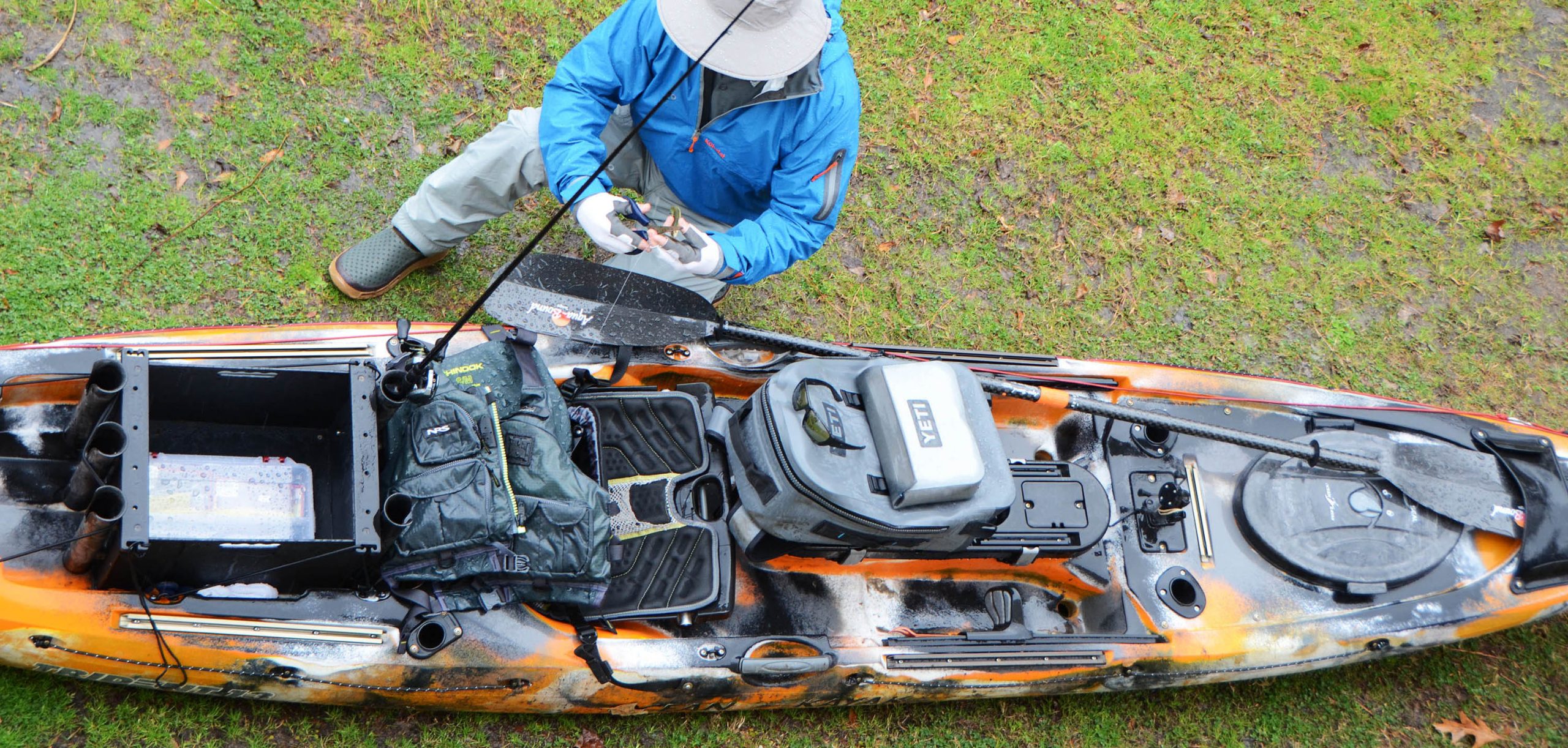
Expert Tips for Gearing Up
Once you have selected your fishing kayak, optimizing your setup makes the difference between a good day and a great day on the water. These professional recommendations will help you maximize your kayak fishing experience from day one.
Choose Compact Rods
Since kayak fishing places you in direct proximity to your target, shorter rods between 6 and 7 feet work best. They maneuver easily in tight spaces and prevent tangles with your paddle.
Invest in a Quality Anchor
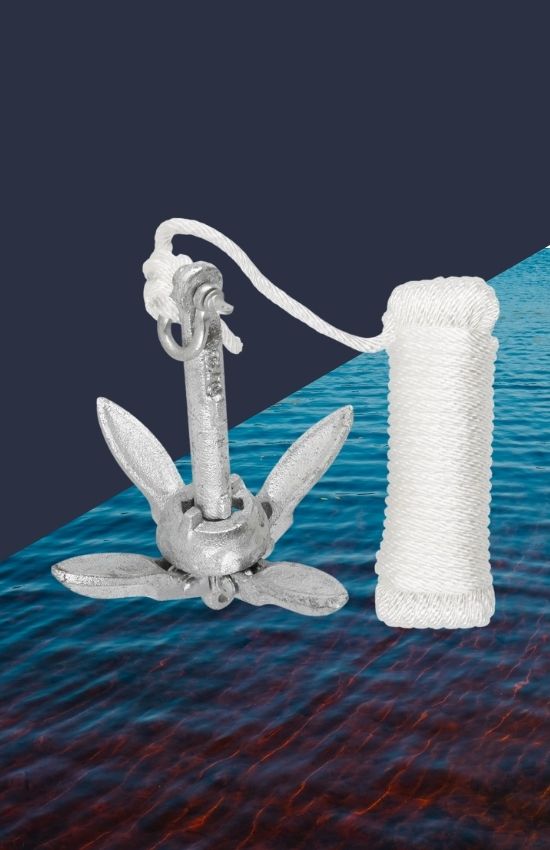
A kayak anchor allows you to hold position over productive fishing spots and prevents drifting during windy conditions. Folding anchors save space and deploy quickly when needed.
Use a Lightweight Fish Grip
A compact fish gripper attaches easily to your kayak seat or PFD and provides secure handling without throwing off your balance or taking up precious deck space.
Organize Your Tackle
Bring only what you need in waterproof containers. Overpacking creates clutter and adds weight. A streamlined setup keeps essentials within reach without compromising stability.
Ready to Start Your Kayak Fishing Journey?
The Vibe Yellowfin 120 delivers exceptional stability, generous storage, and angler-focused features that make every fishing trip memorable.
Vibe Yellowfin 120 KayakKayak fishing represents the perfect fusion of adventure, sport, and natural connection. Whether you seek trophy catches in remote waters or simply want peaceful mornings on your local lake, a fishing kayak opens doors that remain closed to traditional anglers.
Take your first stroke toward unforgettable fishing experiences. The water is waiting.
Backyard Provider • Outdoor Living Excellence