
Kayak fishing has revolutionized the way anglers approach the water. Whether you dream of casting lines in serene lakes, navigating coastal waters, or exploring hidden river spots, selecting the right fishing kayak is crucial to your success and enjoyment on the water. This guide breaks down everything you need to know about choosing a kayak that matches your fishing style, skill level, and favorite waterways.
Types of Fishing Kayaks
Sit-on-Top Kayaks
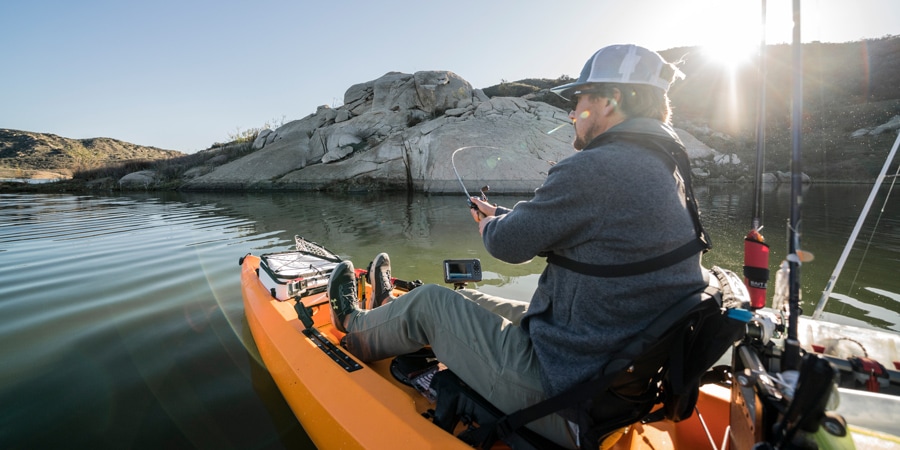
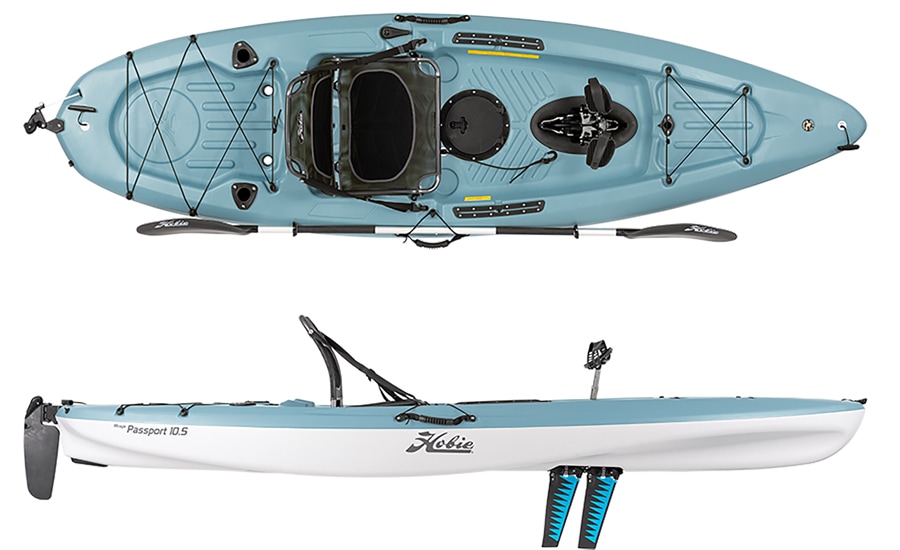
Sit-on-top kayaks dominate the fishing kayak market for excellent reasons. These vessels feature an open deck design where you sit above the hull rather than inside it. This configuration offers unmatched freedom of movement, allowing you to shift positions, stand up for better casting angles, and access your gear with ease.
The self-draining scupper holes mean water flows right through the kayak instead of collecting inside. Getting back on after a swim or capsize becomes straightforward since there is no cockpit to re-enter. Many anglers appreciate that these kayaks tend to run wider and more stable, making them excellent platforms for fishing.
Best For: Warm weather fishing, beginners, anglers who prioritize stability and easy re-entry
Inflatable Kayaks
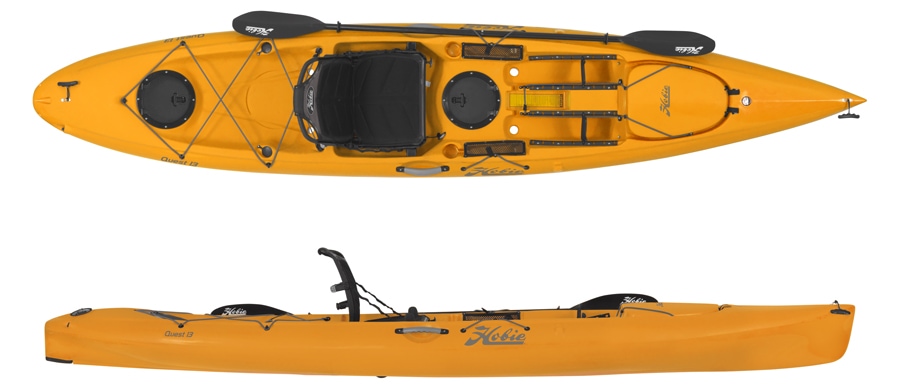
Modern inflatable kayaks have come a long way from the flimsy pool toys of the past. Today's fishing-grade inflatables utilize rugged materials and multiple air chambers that deliver surprising stability and durability. These kayaks pack down to the size of a large duffel bag, making them ideal for anglers with limited storage space or those who travel frequently.
The lightweight nature means you can transport them easily without roof racks or trailers. Many models now include attachment points for fishing accessories and offer comparable performance to traditional hard-shell kayaks. Keep in mind that inflatables may track differently in wind and require proper inflation for optimal performance.
Best For: Apartment dwellers, travelers, anglers needing portability and easy storage
Traditional Sit-In Kayaks
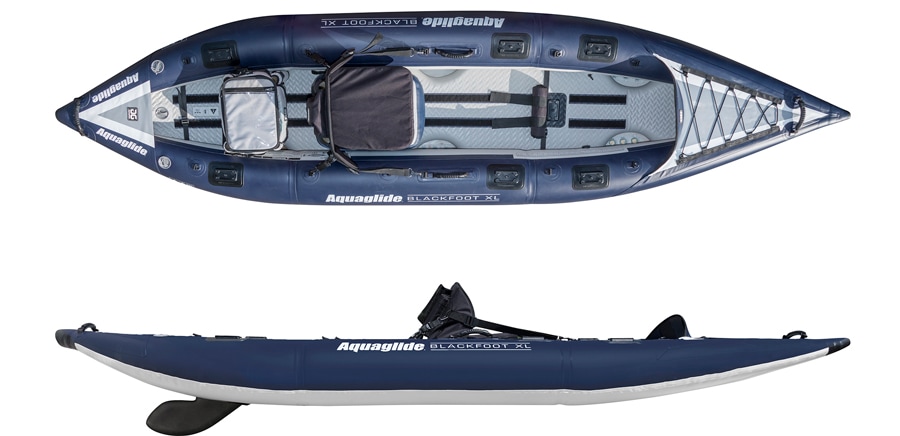
Sit-in kayaks position you inside an enclosed cockpit, providing protection from the elements and a lower center of gravity. These traditional designs excel in cooler conditions where staying dry matters and offer better performance in choppy water. The enclosed design keeps wind, spray, and cold water away from your lower body.
While accessing gear requires more planning since storage areas sit behind sealed hatches, many anglers prefer the streamlined feel and paddling efficiency of sit-in models. These kayaks typically paddle faster and track straighter than their sit-on-top counterparts, making them excellent choices for covering distance to reach your fishing spots.
Best For: Cold water fishing, paddling efficiency, anglers who prioritize speed and tracking
Paddle vs. Pedal Kayaks for Fishing
Pedal-Powered Kayaks
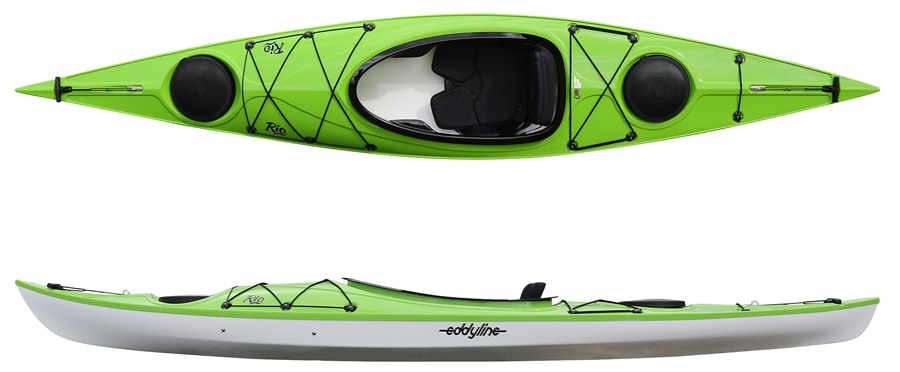
Pedal kayaks have transformed fishing by freeing up your hands entirely. Using either propeller or fin-based drive systems, you power the kayak with your legs while keeping both hands available for casting, reeling, and landing fish. This hands-free propulsion lets you maintain position in current or wind without setting down your rod.
The ability to reverse quickly proves invaluable when fighting fish or maneuvering tight spots. Pedal drives typically generate more power than paddling, helping you cover greater distances with less fatigue. The trade-off comes in weight, complexity, and cost, as pedal systems add significant heft and require maintenance.
Traditional Paddle Kayaks
Paddle kayaks remain the most popular and accessible option for fishing enthusiasts. Their simplicity translates to lower cost, easier transport, and virtually maintenance-free operation. You develop an intimate connection with the water through paddle strokes, gaining a feel for currents and wind that enhances your fishing instincts.
The lighter weight makes launching, loading, and maneuvering more manageable. Paddle kayaks access shallower water since there is no drive system hanging below the hull. Many anglers appreciate the exercise component and find that paddling adds to the overall outdoor experience rather than detracting from it.
Where Do You Plan to Fish?
Your primary fishing environment should heavily influence your kayak selection. Different water conditions demand different kayak characteristics for safety, comfort, and fishing success.
Small Lakes and Ponds
Calm, protected waters allow for almost any kayak style. Prioritize stability and storage capacity over speed. Wider kayaks with excellent primary stability make ideal choices for peaceful pond fishing sessions.
Rivers and Streams
Moving water demands maneuverability and durability. Choose shorter, more nimble kayaks that turn quickly and handle current well. Reinforced hulls protect against rocks and submerged obstacles.
Large Lakes and Bays
Open water exposure requires kayaks that handle wind and waves. Longer hulls track better and cover distance efficiently. Good secondary stability helps in chop, and sealed storage keeps gear dry.
Coastal and Ocean
Saltwater fishing brings unique challenges including tides, currents, and larger waves. Invest in longer kayaks built for rough conditions with rudder systems for tracking control. Corrosion-resistant hardware is essential.
Essential Kayak Features for Anglers
Stability
A stable platform matters tremendously for fishing. Primary stability keeps you steady in calm water while secondary stability prevents capsizing when you lean. Wider kayaks with flatter hulls offer better stability for casting and landing fish.
Rod Holders
Quality fishing kayaks include multiple rod holder options. Flush-mounted holders store rods securely while paddling, and adjustable holders position rods for trolling. Look for kayaks with at least two rod holders built in, with options to add more.
Storage Capacity
Fishing requires gear, and plenty of it. Evaluate tankwell space for crates and coolers, sealed hatches for valuables, and deck rigging for quick-access items. Some kayaks include dedicated tackle storage and live wells for bait.
Seating Comfort
Long days on the water demand comfortable seating. High-quality adjustable seats with lumbar support reduce fatigue and let you focus on fishing. Elevated seats improve visibility and casting angles while reducing strain on your back and legs.
Weight Capacity
Consider your body weight plus all your gear when evaluating weight capacity. Fishing equipment, coolers, tackle, and safety gear add up quickly. Choose a kayak rated for at least 100 pounds more than your expected total load for optimal performance.
Tracking and Maneuverability
Longer kayaks track straighter and paddle more efficiently over distance. Shorter kayaks turn more quickly in tight spaces. Rudder systems help maintain course in wind and current, giving you precise control while keeping hands free for fishing.
Ready to Hit the Water?
Discover our premium selection of fishing kayaks designed for anglers who demand performance, stability, and comfort on every fishing adventure.
Vibe Yellowfin 120
Pro Tips for First-Time Buyers
Test Before You Buy
Whenever possible, rent or demo kayaks before purchasing. Stability, comfort, and handling feel different to each paddler, and personal experience beats any specification sheet.
Consider Transport
Think about how you will move your kayak from home to water. Consider your vehicle, storage space, and physical ability to load and carry the kayak you choose.
Budget for Accessories
Your kayak purchase represents just part of the investment. Plan for paddles, life jackets, anchors, fish finders, and other essential accessories that complete your setup.
Start Your Kayak Fishing Journey
The perfect fishing kayak balances your fishing style, target waters, and personal preferences. Take time to evaluate your options, consider your fishing goals, and invest in quality that will serve you for years of memorable catches. With the right kayak beneath you, every fishing trip becomes an adventure worth remembering.