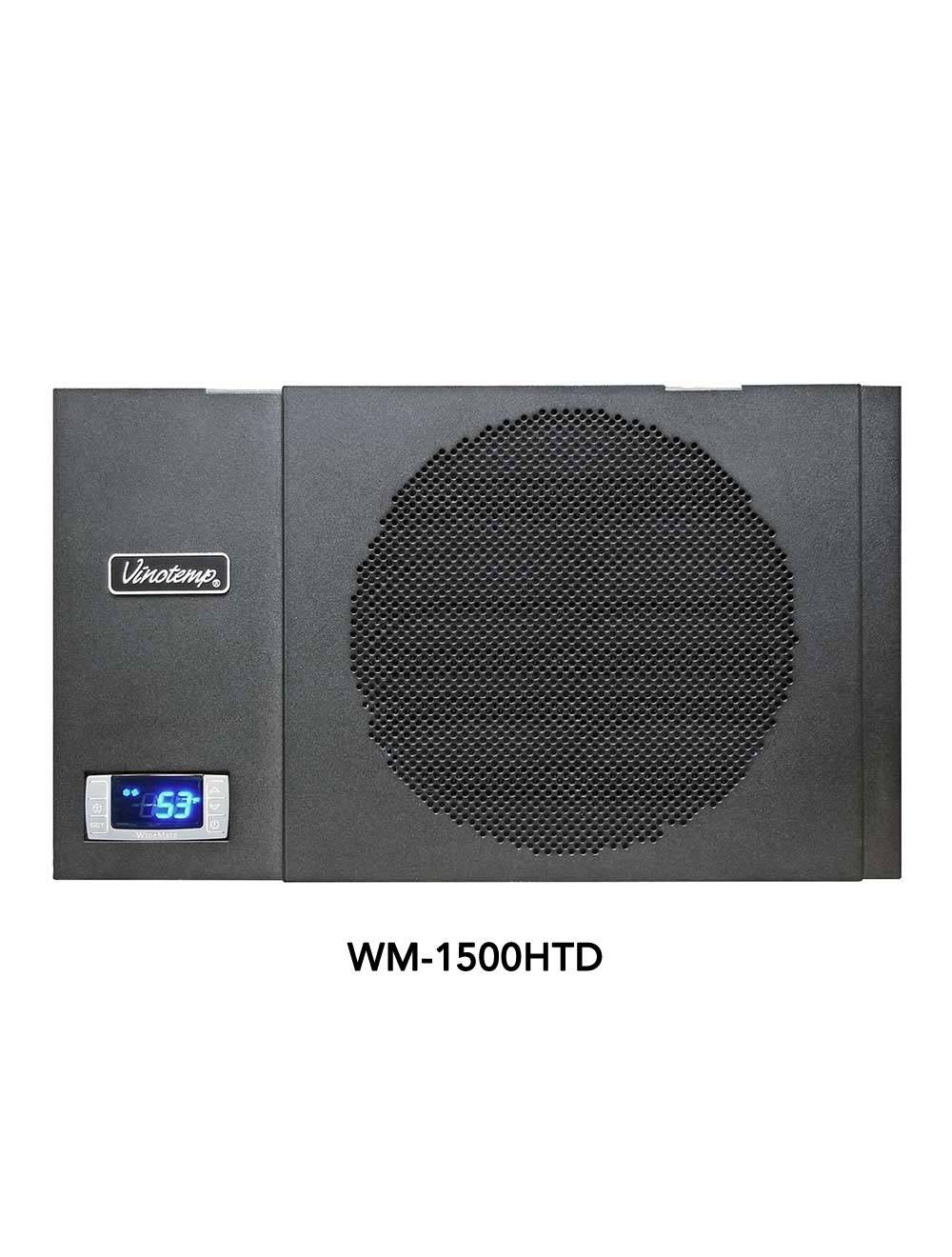
Creating or transforming a space into a wine cellar requires dedication and passion for any true wine connoisseur. While aesthetics like racking and lighting matter, the true foundation of any serious wine storage space lies in its cooling system. For those seeking straightforward and efficient climate control, self-contained cooling units consistently prove to be a top choice. But what exactly are these systems, and could one be the right fit for your prized collection?
Let us explore everything you need to know about these remarkable cooling solutions.
Understanding Self-Contained Cooling Units
Picture a refrigerator engineered specifically for the dimensions and requirements of a wine cellar. That captures the fundamental concept behind a self-contained cooling unit, frequently referred to as a "through-the-wall" or "ductless" system in the industry.
The defining characteristic is right there in the name—all critical components including the compressor, evaporator, condenser, and fans are integrated within one streamlined, compact housing. Installation typically involves mounting the unit through an exterior wall or within a pre-existing window opening. The cold side faces into your cellar while the rear (hot side) exhausts into an adjacent area such as a garage, utility closet, or directly outdoors. This design creates a genuinely independent, all-in-one cooling solution.
How Self-Contained Units Operate
The elegance of these units lies in their straightforward operation. They function through a basic refrigeration cycle, much like your kitchen refrigerator:
Heat Absorption
Within the cellar, a fan circulates warm air across the cold evaporator coils. Refrigerant flowing inside these coils absorbs the thermal energy from the surrounding air.
Chilled Air Distribution
The freshly cooled and dehumidified air returns to the cellar, gradually bringing the ambient temperature down to your preferred setting—typically in the 55-58°F sweet spot.
Heat Expulsion
The refrigerant, now laden with absorbed heat, travels to the compressor where it becomes pressurized and significantly hotter.
Heat Dissipation
The heated refrigerant proceeds to the condenser coils on the unit's exterior side. A secondary fan pushes outdoor air across these hot coils, releasing the accumulated heat into the neighboring room or outside environment.
Continuous Cycle
The refrigerant cools down and cycles back to the evaporator coils, beginning the entire process anew. This perpetual loop maintains a stable, consistent climate for your wines.
Advantages of Self-Contained Cooling Systems
This plug-and-play methodology delivers considerable benefits, particularly for specific cellar configurations:
Simplified Installation
Self-contained cooling systems offer unmatched convenience. Without requiring complex ductwork or a separate remote condenser, installation becomes faster and more budget-friendly. Most setups only demand a properly sized wall opening and access to a standard electrical outlet.
Budget-Conscious Choice
Both the upfront purchase price and installation expenses tend to run lower than split or ducted alternatives. This makes self-contained units an accessible entry point for many wine collectors starting their cellar journey.
Ideal for Compact Spaces
These self-contained cooling units excel in cellars measuring up to approximately 500 cubic feet. Whether you're converting a closet, utilizing under-stair storage, or dedicating a small room, these systems deliver reliable performance.
Streamlined Maintenance
When service or replacement becomes necessary, the entire unit remains accessible from a single point. No hunting down separate components in different locations—everything you need is right there.
Considerations and Trade-Offs
No cooling solution is without compromises, and understanding these limitations helps ensure the right decision:
Heat and Noise Output
The unit exhausts warmth and produces operational noise from the compressor and fan into whatever space it vents toward. This becomes problematic when that area serves as living quarters or a bedroom.
Capacity Constraints
These systems aren't engineered for expansive or heavily insulated cellars. Pushing a unit to cool an oversized space results in continuous operation, accelerating wear and potentially causing early system failure.
Visual Presence
The unit remains visible within your cellar, which may conflict with the refined, custom aesthetic some collectors envision for their wine storage space.
Energy Considerations
Since heat exhausts into an adjacent area rather than fully outside, this can modestly increase the cooling burden on your home's primary HVAC system during warmer seasons.
Is a Self-Contained Unit Your Best Match?
A self-contained cooling unit represents an outstanding choice when:
Your cellar measures small to medium (under 500 cubic feet)
Budget constraints are a factor in your decision
The vented side can exhaust into a garage, attic, exterior wall, or unconditioned area where noise and heat pose no concerns
You prioritize straightforward installation and simplicity
For larger, professionally constructed cellars where whisper-quiet operation and seamless aesthetics take priority, ductless split systems with remote condensers or fully ducted solutions often prove the superior—though costlier—investment.
At the end of the day, self-contained cooling units remain the dependable workhorses of the wine cellar industry. By gaining a clear understanding of their operation along with their strengths and limitations, you can make a confident, well-informed decision to guarantee your cherished bottles mature gracefully in their ideal climate.
Protect Your Wine Investment!
Explore Premium Wine Cooling Solutions