
Every serious wine enthusiast understands that proper storage conditions are essential for preserving and aging their collection. Temperature fluctuations, inadequate humidity levels, and inconsistent climate control can transform a prized vintage into an expensive disappointment. This is precisely why choosing the right wine cooling system matters tremendously.
Whether you are designing a custom wine cellar from scratch or retrofitting an existing space, understanding the fundamental differences between self-contained and split system cooling units will help you make an informed decision. Each system type offers distinct advantages depending on your cellar size, installation requirements, budget considerations, and aesthetic preferences.
This guide explores both cooling technologies in detail, examining their operational principles, installation demands, performance characteristics, and ideal use cases to help you determine which solution best suits your wine storage needs.
Understanding the Two System Types
Wine cellar cooling systems generally fall into two primary categories, each engineered to maintain optimal storage conditions through different mechanical approaches. Before diving into specific recommendations, it is essential to grasp how each system operates and what distinguishes them from one another.
Self-Contained Wine Cooling Units
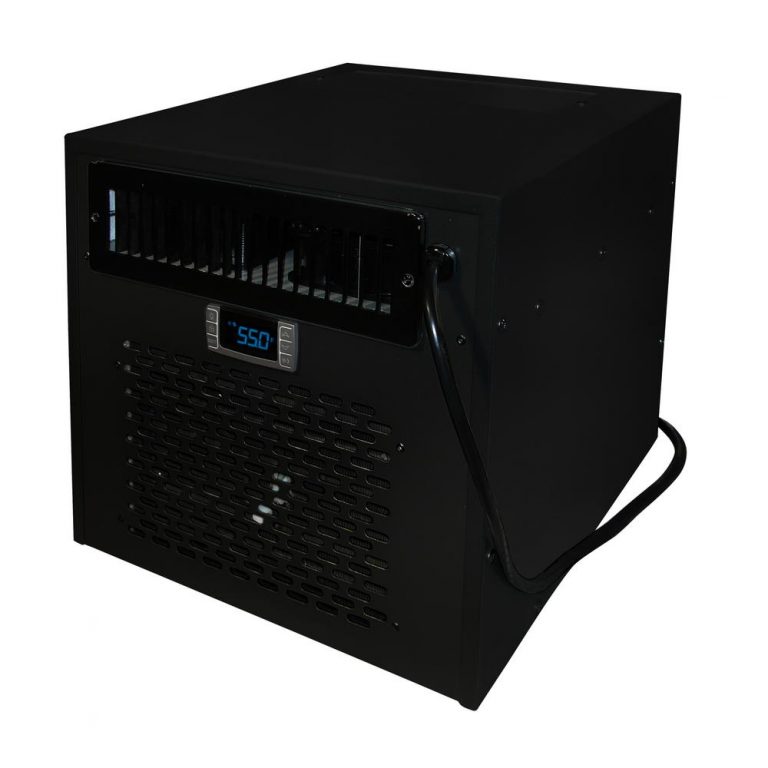
Self-contained cooling systems represent the all-in-one approach to wine cellar climate management. These units house every component necessary for cooling within a single enclosure, including the compressor, evaporator, condenser, and all associated controls. Think of them as the window air conditioning units of the wine world, designed for straightforward installation and simplified operation.
The primary appeal of self-contained systems lies in their simplicity. Installation typically requires nothing more than creating an appropriately sized opening in the cellar wall and ensuring adequate ventilation for heat exhaust. This makes them particularly attractive for homeowners seeking a cost-effective solution without extensive construction work.
Self-Contained System Advantages:
• Lower initial purchase and installation costs compared to split systems
• Simplified installation requiring minimal technical expertise
• Ideal for smaller wine cellars and residential applications
• All components accessible in one location for maintenance
• Excellent choice for retrofit projects with limited construction scope
Split System Wine Cooling Units
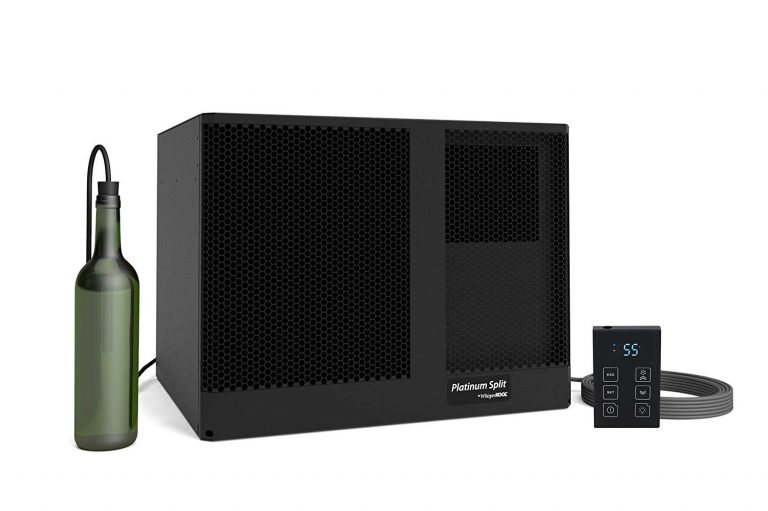
Split system cooling units divide their operational components between two separate locations. The evaporator unit mounts inside or near the wine cellar, while the condenser and compressor are positioned remotely, often outdoors or in an adjacent utility space. Refrigerant lines connect these components, allowing heat to be efficiently transferred away from your wine storage area.
This separation of components delivers significant advantages for certain applications, particularly larger cellars or installations where noise reduction and visual aesthetics are priorities. The arrangement allows the noisiest elements to be positioned far from living spaces while maintaining powerful cooling capacity.
Split System Advantages:
• Significantly quieter cellar environment with remote compressor placement
• Greater cooling capacity suitable for medium to large wine collections
• Flexible installation options for complex architectural layouts
• Enhanced energy efficiency for long-term operation
• Superior humidity control capabilities for optimal wine preservation
Installation and Space Considerations
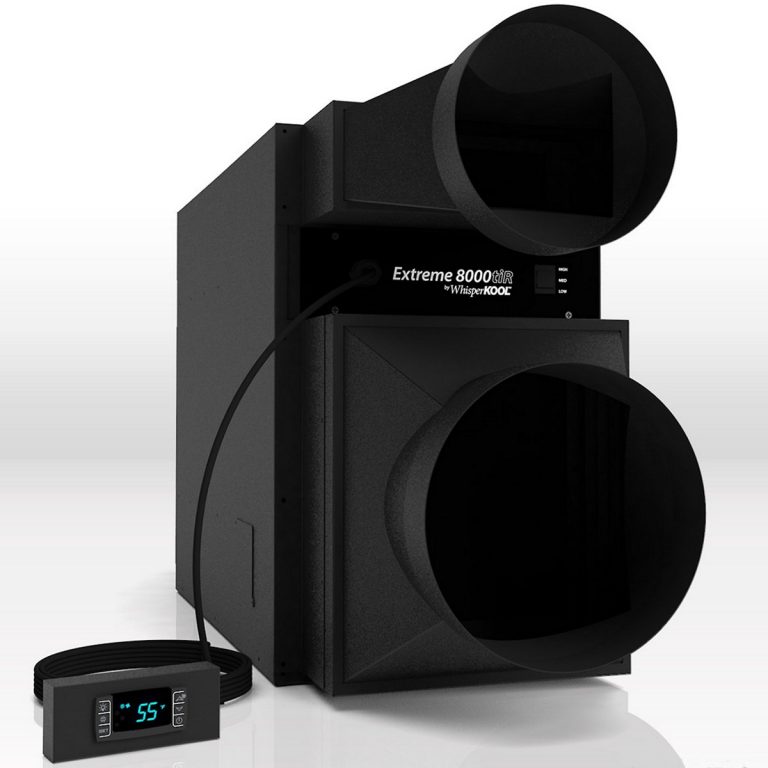
Selecting between these two system types often comes down to practical installation requirements and available space. Self-contained units demand a through-wall installation with adequate adjacent space for heat exhaust, typically requiring at least several feet of clearance in the adjoining room or ducted ventilation to the exterior.
Split systems offer considerably more flexibility in this regard. The indoor evaporator can be ceiling-mounted, wall-mounted, or even ducted to remain completely hidden from view. Meanwhile, the outdoor condenser unit can be positioned on a roof, ground pad, or within a mechanical room, with refrigerant lines running between components through relatively small penetrations.
For basements and interior rooms without direct exterior wall access, split systems frequently represent the only viable option. They can effectively cool cellars located far from suitable exhaust locations, making them essential for certain architectural configurations.
Noise Control and Guest Experience
For wine enthusiasts who envision their cellar as an entertaining space or tasting room, acoustic considerations become paramount. Self-contained units produce noticeable operational sound since all mechanical components reside within or immediately adjacent to the cellar space. While modern units have become considerably quieter, the compressor cycling on and off remains audible.
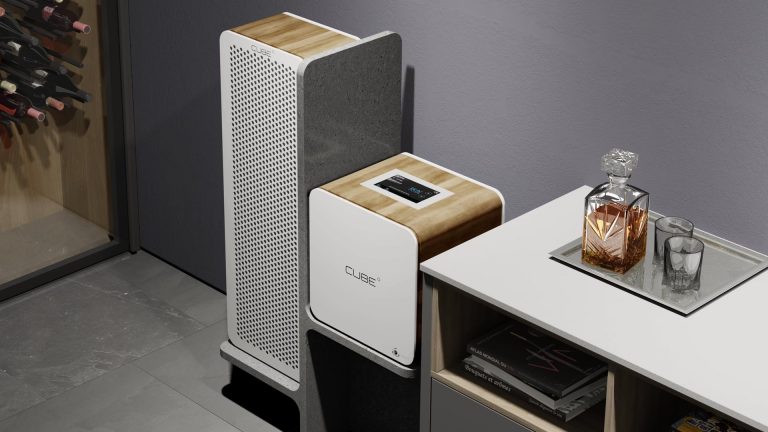
Split systems excel in this application by relocating the compressor and condenser to a remote location. The indoor evaporator operates much more quietly, often producing little more than gentle air circulation. This creates the serene atmosphere many collectors desire for appreciating their wines undisturbed by mechanical noise.
Space Planning and Visual Integration
Custom wine cellars often represent significant investments in both function and form. The visual impact of cooling equipment deserves careful consideration during the design phase. Self-contained units typically mount in the wall with a visible grille, which some owners find acceptable while others view as an aesthetic compromise.
Split systems provide superior options for visual concealment. Ducted configurations can deliver conditioned air through decorative registers that blend seamlessly with cellar finishes. Ceiling-mounted units disappear into soffit areas. This flexibility allows designers to create cellars where the cooling system remains essentially invisible, preserving the intended aesthetic vision.
Performance and Reliability
Both system types can effectively maintain the ideal wine storage environment of approximately 55 degrees Fahrenheit and 60 to 70 percent relative humidity when properly sized and installed. However, their performance characteristics differ in ways that matter for serious collectors.
Self-contained units with integrated humidity management, like those featuring dedicated humidity control systems, can maintain excellent conditions for smaller collections. They represent reliable workhorses that have proven themselves across countless residential installations.
Split systems generally offer more precise temperature and humidity control, particularly for larger spaces. Their greater cooling capacity provides faster temperature recovery after cellar access and better handles challenging environmental conditions such as warm climates or cellars with significant heat gain.
Which System to Recommend: Project Scenarios
Choose a self-contained unit when: Your cellar is relatively modest in size, you have accessible exterior wall space with proper ventilation options, budget constraints favor simpler installation, and operational noise is not a primary concern. These systems shine in dedicated storage cellars where aesthetic considerations are secondary to functional reliability.
Choose a split system when: You are building a larger cellar or showpiece wine room, noise control is essential for the intended use, the cellar location makes through-wall installation impractical, you desire a completely concealed cooling solution, or you require maximum cooling capacity for challenging conditions.
Consider hybrid approaches: Some installations benefit from combining system types or incorporating backup units. Large collections or cellars with valuable bottles may warrant redundant cooling to protect against equipment failure.
Supporting Your Wine Cellar Vision
At Backyard Provider, we understand that selecting the right cooling system is crucial for protecting your wine investment. Our curated selection of climate control solutions includes high-quality self-contained units designed to deliver reliable performance for residential wine cellars.
Wine-Mate 1500-HTD Cooling SystemExplore Our Wine Cooling Systems
The right wine cooling system transforms an ordinary room into a proper wine cellar capable of preserving and aging your collection for years or even decades. Whether you select a self-contained unit for its simplicity and value or invest in a split system for its superior performance and flexibility, proper installation and sizing remain essential for optimal results.
Consider consulting with wine cellar specialists who can evaluate your specific space, climate conditions, and collection goals to recommend the most appropriate cooling solution. The investment in proper climate control pays dividends through preserved wine quality and the peace of mind that comes from knowing your collection is protected.

Browse our selection of wine cooling systems and accessories to find the perfect solution for your backyard wine cellar project. Our team is ready to help you create the ideal environment for your wine collection to thrive.