
Wine is a living product — sensitive to light, temperature swings, humidity, and motion. Getting storage right doesn't require a professional cellar. It just requires knowing the rules. Here's everything you need to store wine like a pro, right at home.
Follow these guidelines to preserve the character and quality of every bottle in your collection.
Store Bottles Horizontally
Lay your bottles on their side. This keeps the cork in constant contact with the wine, preventing it from drying out and shrinking. A shrunken cork lets in air — and air is wine's enemy. A wine rack is ideal, though a simple crate works just fine for short-term storage.
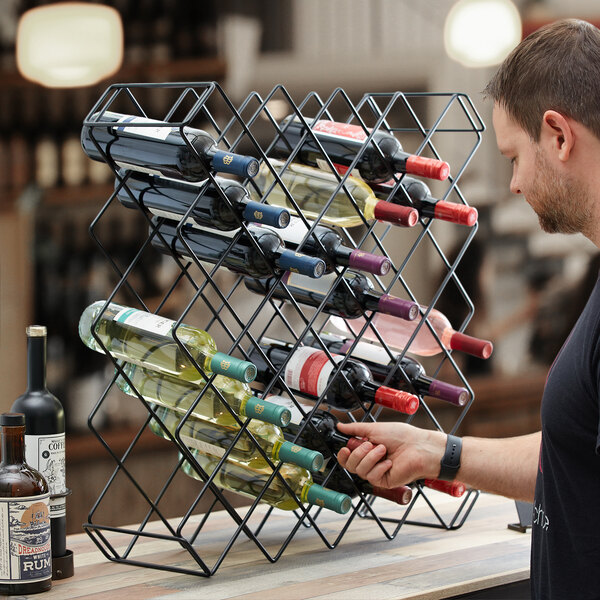
Store at the Right Temperature
The gold standard for wine storage is 55°F (around 13°C). Too warm and the wine ages too fast; too cold and the cork cracks. Even a few degrees above 70°F can accelerate deterioration. Avoid kitchens, laundry rooms, or any space near heat-generating appliances.
Keep the Temperature Steady
Consistency matters just as much as the actual temperature. Rapid swings in warmth and cold cause the liquid inside to expand and contract — eventually pushing wine past the cork. Gradual seasonal changes are acceptable; daily fluctuations are not.
Maintain Proper Humidity
Aim for a relative humidity of 60–70%. Too dry and corks dehydrate; too wet and mold can form on labels and eventually the cork itself. A naturally cool basement often strikes this balance. In drier climates, a small humidifier near your storage area can help.
Limit Light Exposure
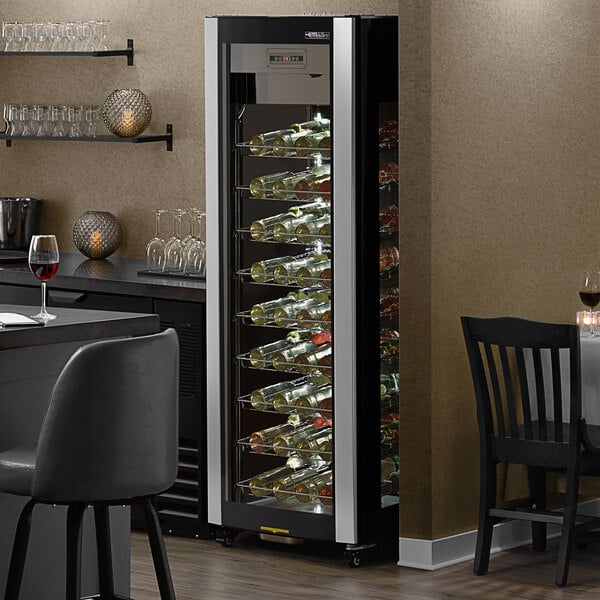
UV rays and strong fluorescent lighting can degrade wine over time, causing premature aging and off-flavors. Store in a dark corner, a closed cabinet, or a dedicated wine unit. This is especially important for sparkling wines and delicate whites.
Avoid Movement and Vibration
Vibrations from appliances, speakers, or heavy foot traffic can subtly disturb the sediment inside a bottle and interfere with the slow chemical aging process. Keep your collection away from washing machines, stereo systems, and busy corridors.
Track How Long Each Wine Stays
Most everyday wines are best consumed within 1–3 years. Premium bottles may age for a decade or more, but only if stored under ideal conditions. Check with your wine's producer for recommended aging windows, and rotate older bottles to the front of your storage.
How to Store Wine After Opening
An opened bottle doesn't have to go to waste. With the right approach, you can preserve quality for several more days. The moment a cork comes out, oxidation begins — but you can slow it down significantly.
- Re-cork tightly and refrigerate — even reds
- White and rosé wines keep 3–5 days in the fridge
- Full-bodied reds last 3–5 days; lighter reds 2–3 days
- Transfer to a smaller bottle to reduce air contact
- Keep away from light and heat at all times
- Plug the top with a vacuum stopper if available
:max_bytes(150000):strip_icc()/store-wine-at-home-2000-de3ca354323c4d64ac1f8ed22a4f7b0f.jpg)
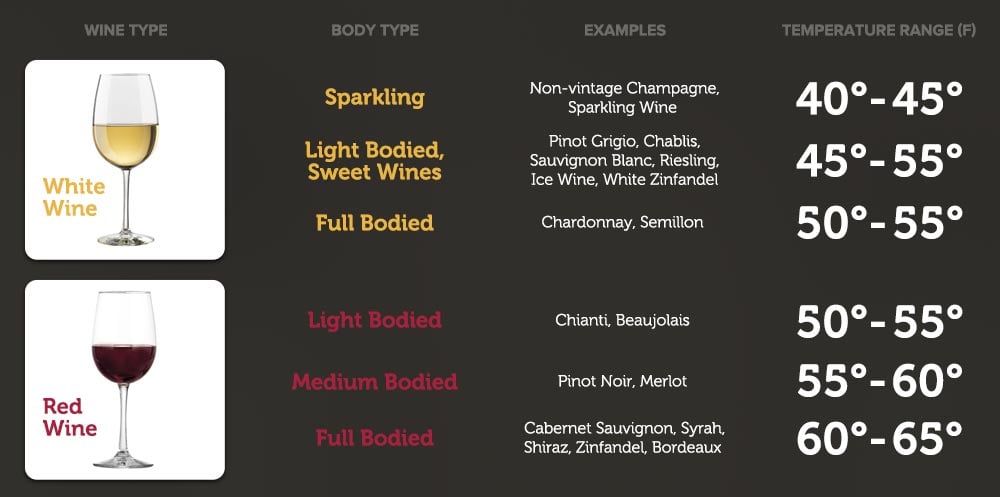
Not all wines are stored at the same temperature. While 55°F is a universal benchmark, different varieties thrive in slightly different ranges.
Once you know the conditions your wine needs, the next question is where in your home to actually keep it. Here are the best and worst options.
Basement or Cellar
The classic choice — naturally cool, dark, and stable in humidity. Ideal for long-term collections if the temperature stays consistently between 50–60°F.
Interior Closets
An interior closet away from exterior walls can work well for short-to-medium storage. They tend to stay cooler and darker than open rooms.
Garage — Proceed Carefully
Garages swing wildly in temperature across seasons. Unless climate-controlled, avoid storing wine here for more than a few days.
Kitchen — Avoid if Possible
Heat from ovens, dishwashers, and ambient cooking make kitchens a poor long-term home for wine. Fine for a bottle you'll open tonight, not for aging.
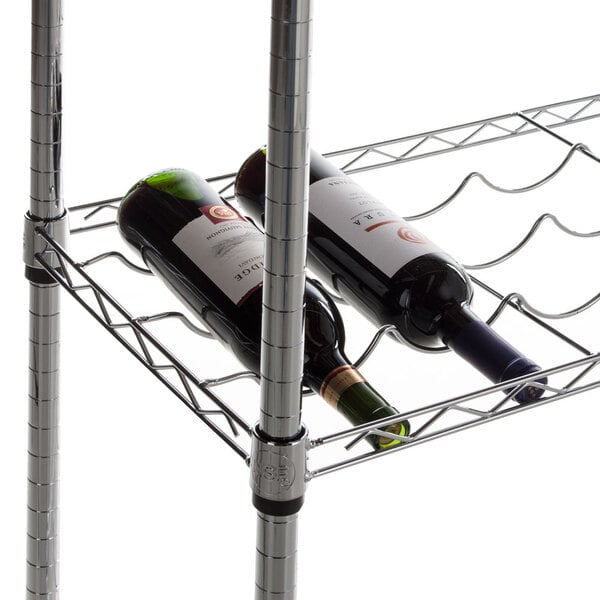
Dedicated wine shelving is one of the most practical investments for any collector. Properly designed racks hold bottles horizontally, allow for air circulation, and organize your collection so you can access any bottle without disturbing the rest.
When selecting shelving, look for units that accommodate your bottle count with room to grow, offer stable construction that won't vibrate, and fit within your designated storage space. Wood and metal racks are both excellent choices depending on your aesthetic preference.
For those with larger collections or a desire for precise temperature management, wine coolers and merchandisers are the next step up. These units maintain a consistent internal climate regardless of room conditions, giving your wine the same environment it would have in a professional cellar.
Wine coolers are purpose-built to replicate ideal cellar conditions without requiring a cellar. They maintain precise temperature zones, offer UV-resistant glass doors, and eliminate vibration — all three of the hardest conditions to control in a regular room.
Some models are designed as merchandisers — beautiful display units that keep wine at serving temperature while showcasing your collection. These are perfect for entertaining spaces, home bars, or dedicated wine rooms where presentation matters as much as preservation.
The Brama by Vinotemp Wood Wine Credenza blends handcrafted Mahogany cabinetry with professional wine storage performance — a statement piece for any home.
Vinotemp Wine Credenza