
Whether you're a casual enthusiast or a dedicated collector, a wine cabinet transforms how you store, display, and enjoy your collection. This guide walks you through everything you need to know — from the basics to the details that make all the difference.
What Is a Wine Cabinet?
A wine cabinet is a dedicated storage unit designed to protect your bottles from temperature swings, humidity fluctuations, light exposure, and vibration — the four biggest threats to wine quality. Unlike a standard kitchen cabinet or pantry shelf, a wine cabinet is purpose-built to maintain consistent conditions that preserve and develop flavor over time.
Wine cabinets range from sleek freestanding coolers to beautifully crafted wood credenzas that double as statement furniture. The right choice depends on your collection size, storage goals, available space, and personal style.
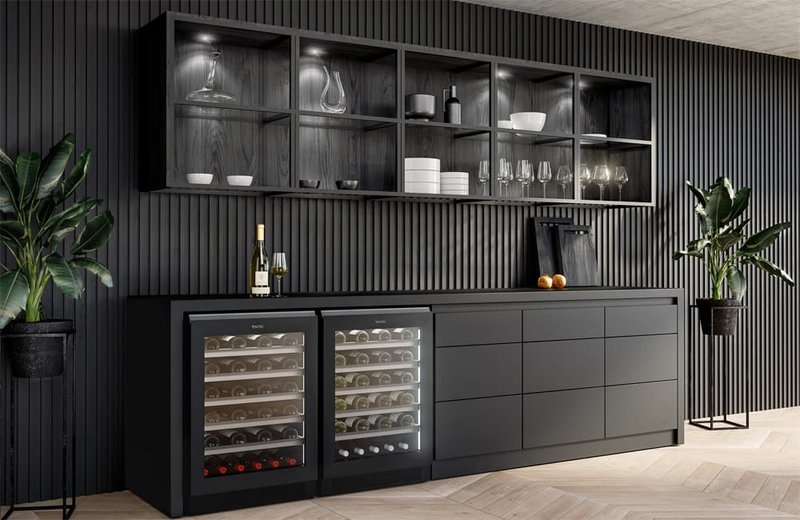
Wine Cabinet vs. Wine Cellar: What's the Difference?
A wine cellar is typically a dedicated room or underground space with controlled climate systems, designed to hold large collections — often thousands of bottles. A wine cabinet, on the other hand, is an individual unit that delivers cellar-like conditions in a fraction of the space, making it a far more practical option for most homeowners.
A quality wine cabinet gives you the preservation power of a cellar without the renovation project. It's one of the most efficient investments a wine lover can make.
For collectors who don't have the space or budget for a full cellar, a wine cabinet brings professional-grade storage into any room — from a kitchen corner to a living room wall to a finished basement.
4 Key Types of Wine Cabinets
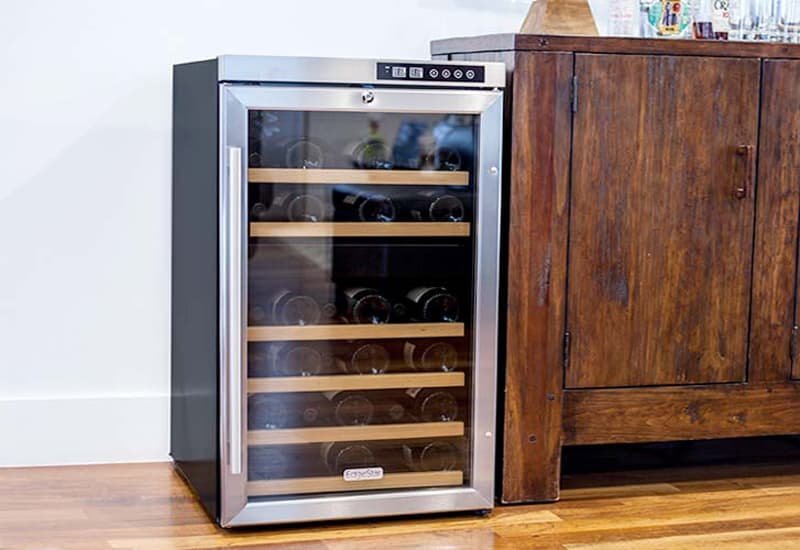
Wine cabinets come in several distinct styles, each suited to different storage needs and living spaces. Here's a breakdown of the most popular formats:
Freestanding Wine Coolers
Compact and versatile, these plug-in units work in almost any room. Ideal for everyday drinkers with collections under 100 bottles.
Built-In Wine Cabinets
Designed to integrate flush with cabinetry or under counters. A clean, architectural choice for kitchens and custom home bars.
Wood Wine Credenzas
Furniture-grade cabinets that store wine and elevate a room's aesthetic. Perfect for dining rooms, living areas, and luxury home settings.
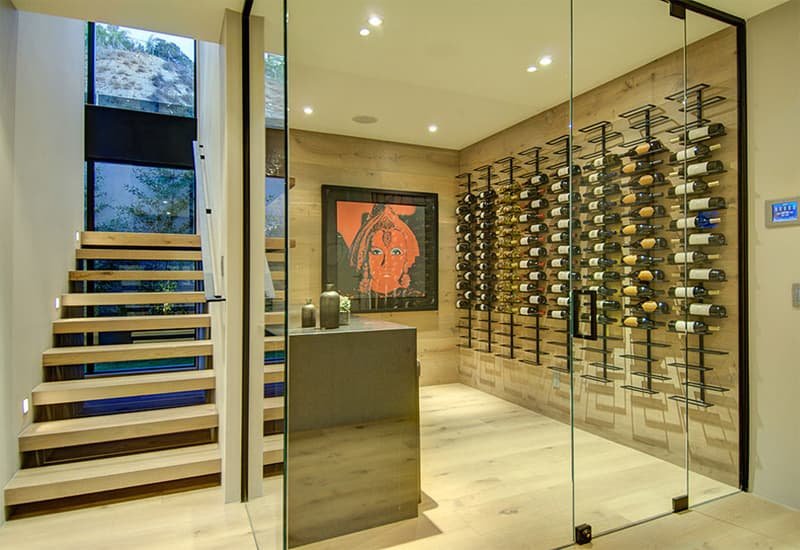
Modular Wine Racks
Open-air storage systems that can expand as your collection grows. Best for climate-controlled rooms where humidity and temperature are already stable.
Brama Wood Wine Credenza by Vinotemp
Handcrafted in rich Brown Mahogany — a luxury wine credenza that blends serious storage with stunning design.
Brama Mahogany Credenza5 Important Factors to Consider When Choosing a Wine Cabinet
Not all wine cabinets are created equal. Before you invest, evaluate these five core factors to make sure your cabinet truly serves your collection:
- Temperature Control & Stability — Wine is sensitive. Look for units that maintain a consistent range between 45°F and 65°F, with single or dual-zone options depending on whether you store reds and whites together.
- Humidity Management — Proper humidity (ideally 50–70%) keeps corks healthy and prevents premature oxidation. Some cabinets include passive or active humidity regulation.
- Vibration Protection — Constant vibration disturbs wine's natural development. Quality cabinets use compressor mounts or thermoelectric systems to minimize movement.
- UV Protection — Light is wine's enemy. Solid-door cabinets offer maximum protection, while tinted glass doors balance display appeal with UV filtering.
- Capacity & Bottle Configuration — Think beyond your current collection. Choose a unit that fits your bottles now and leaves room to grow, with shelving that accommodates Bordeaux, Burgundy, and Champagne bottles.
Placement: Where Should Your Wine Cabinet Go?
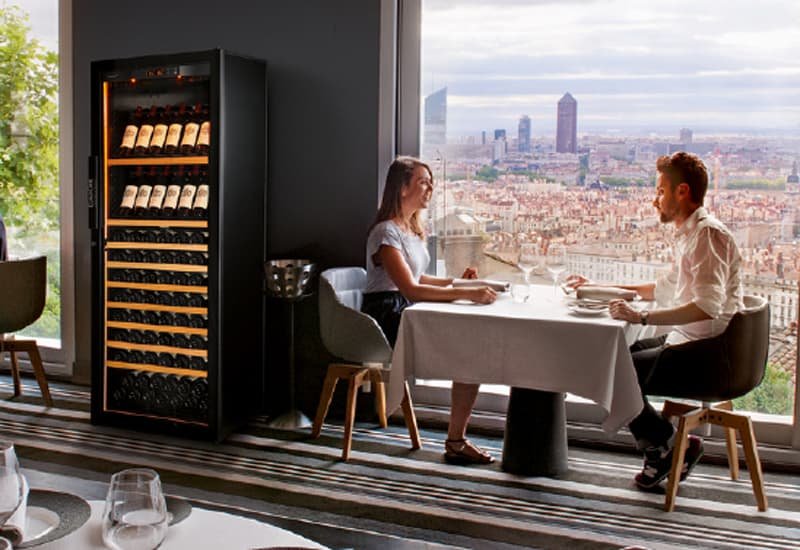
Location matters as much as the unit itself. Avoid areas near heat sources — ovens, radiators, and direct sunlight can compromise even the best cabinet's ability to maintain proper temperature. Basements, dining rooms, and dedicated home bars are ideal settings.
For wood credenzas, consider the room's aesthetic. A beautifully crafted mahogany wine cabinet deserves a prominent placement where it can be appreciated as furniture, not hidden in a utility corner.
Choosing a Style That Suits Your Home
Contemporary & Minimalist
Clean lines, stainless steel finishes, and glass doors define the contemporary wine cabinet. These units integrate seamlessly into modern kitchens and open-plan living spaces where visual clutter is the enemy.
Traditional & Furniture-Grade
For homes with classic or transitional interiors, a wood wine credenza offers storage that functions as heirloom-quality furniture. Rich wood tones like brown mahogany add warmth and sophistication to dining rooms and living areas.
Industrial & Open Rack
Metal and wood open-rack systems bring a raw, warehouse-inspired aesthetic. These work best in loft-style spaces or casual entertaining areas where the collection itself becomes the visual centerpiece.
The Bottom Line
A wine cabinet is one of the most meaningful upgrades you can make for your home and your collection. It protects your investment, elevates your space, and ensures every bottle is ready to enjoy at its best — whether that's tonight or years from now.
For those who want storage that doubles as a design statement, a furniture-grade wood wine credenza like the Brama by Vinotemp delivers on both fronts. Rich craftsmanship, substantial capacity, and enduring style — it's a piece that grows with your collection.