
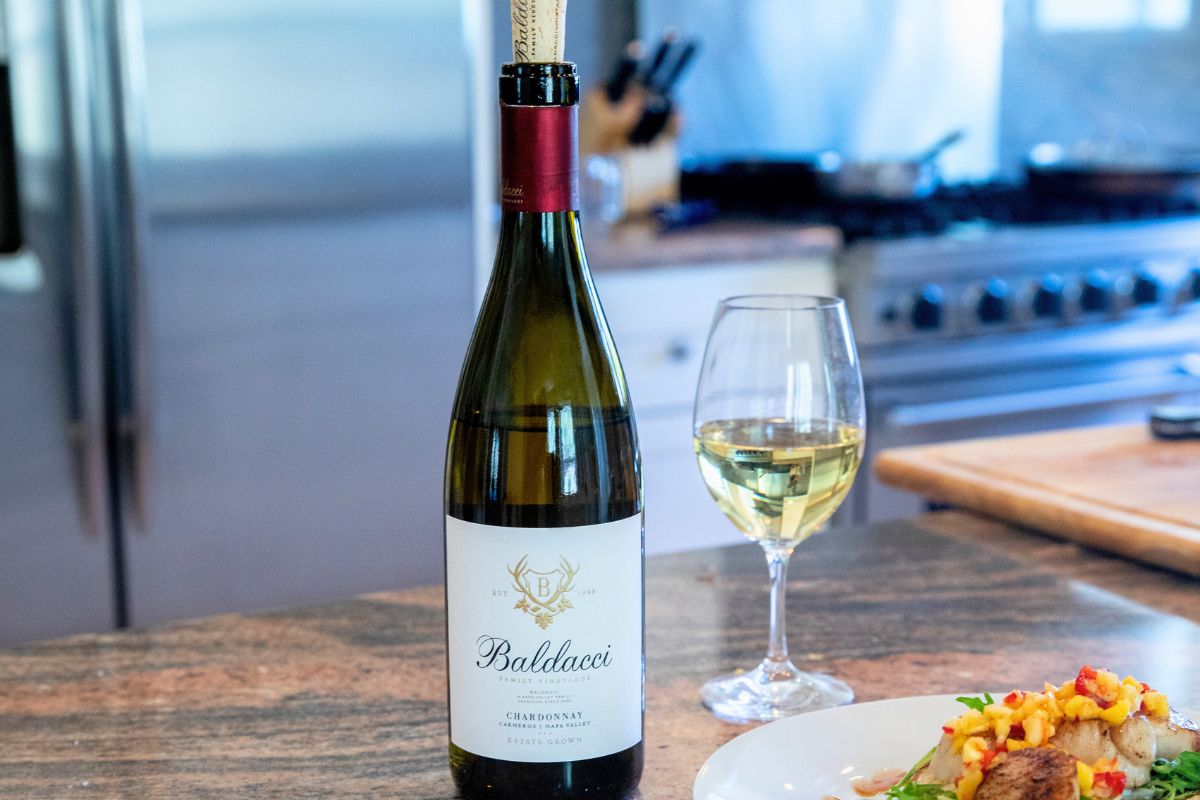
There's nothing quite like uncorking a beautiful bottle of wine under the stars at your next backyard dinner party. But what happens when you don't finish the bottle? Keeping opened wine fresh can feel tricky, yet with the right preservation strategies, you can savor that same quality glass days—even weeks—later.
Let's explore the most effective techniques to preserve your wine, so every outdoor gathering features flavors as vibrant as your patio ambiance.
Why Wine Loses Its Freshness
Wine is a living beverage that begins changing the moment air touches it. The primary villain? Oxidation. When oxygen meets wine, a slow transformation begins—flavors flatten, aromas fade, and eventually, that delicious pour turns into something closer to vinegar.
Multiple factors accelerate this process: air exposure, temperature swings (especially common during outdoor entertaining), light, and even the grape variety itself. Hearty reds typically hold up longer than delicate whites, but all wines benefit from proper care after opening.
What to Do Right After Opening
Re-Cork Properly
When the evening winds down and wine remains, your first move should be re-corking. Insert the cork as snugly as possible to minimize air contact. This simple step can extend your wine's life significantly for short-term storage.
Consider Wine Stoppers
Wine stoppers outperform original corks in creating airtight seals. From basic silicone caps to sophisticated vacuum-sealed options, there's a stopper suited for every wine lover's needs. For quick preservation between pours at your backyard soirée, silicone caps work wonderfully. For extended storage, invest in vacuum options.
Short-Term Preservation Techniques
Refrigeration
The simplest preservation method is refrigeration. Cool temperatures dramatically slow oxidation, protecting your wine's character. Yes, this includes red wines—just remember to bring them back to proper serving temperature before your next backyard pour. About thirty minutes at room temperature should do the trick for a half-full bottle.
For serious enthusiasts, a dedicated wine refrigerator maintains ideal conditions. Reds thrive around 55°F, while whites and rosés prefer closer to 45°F.
Wine Shields
These clever disc-shaped devices float directly on your wine's surface, creating a physical barrier between the liquid and air above. They're remarkably easy to use and quite effective for overnight preservation, though they don't match the protection offered by vacuum systems or inert gas methods.
Long-Term Preservation Solutions
Vacuum Sealers
Vacuum pumps extract air from opened bottles, creating a tight seal that significantly slows oxidation. This method preserves both aroma and taste remarkably well. Options range from manual hand pumps to sleek electric models—trusted brands include Vacu Vin, Wine Saver, and various pump systems available at accessible price points.
Inert Gas Preservation
For the ultimate in wine preservation, inert gas systems spray argon or nitrogen into the bottle, displacing oxygen with a harmless, flavorless blanket of gas. These systems represent a higher investment but deliver professional-grade results that serious wine collectors swear by.
Featured Product
Elevate Your Outdoor Wine Service
Dispense and preserve your favorite wines effortlessly with professional-grade equipment designed for the discerning host.
Vinotemp 2-Bottle Wine DispenserAlternative Preservation Approaches
Transfer to Smaller Bottles
Here's a clever trick: pour remaining wine into smaller bottles. Less air space means less oxidation. Half bottles or even clean glass containers work beautifully for this purpose.
Smart Preservation Products
The market now offers innovative solutions including specialized stoppers with built-in oxygen-absorbing technology. Products like Repour feature pockets that actively react with and remove oxygen, extending your wine's freshness through chemistry rather than simply blocking air.
Proper Storage Essentials
Store opened wine in cool, dark environments with stable temperatures. While a wine refrigerator offers optimal conditions, a standard refrigerator works well too. The key is avoiding the temperature swings that outdoor settings can bring—so after the party ends, move those bottles indoors.
Direct sunlight is wine's enemy, accelerating deterioration rapidly. Even artificial light can affect quality over time, so keep bottles tucked away from bright spaces.
Common Preservation Mistakes to Avoid
One frequent error is leaving wine in warm conditions—temperatures above 70°F dramatically accelerate oxidation. Another pitfall involves using improper stoppers that fail to create genuine seals, giving you false confidence while air quietly degrades your wine.
Sidestep these issues by always storing opened bottles in cool, dark spots and investing in quality preservation tools designed specifically for wine.
Frequently Asked Questions
How long does opened wine actually last?
With proper preservation, most wines remain enjoyable for three to five days after opening. The exact timeframe depends on your chosen method and the specific wine variety.
Can you freeze wine to preserve it?
While technically possible, freezing alters wine's texture and flavor profile. It's generally not recommended for preserving drinking quality.
Is week-old wine safe to drink?
Safety isn't the concern—quality is. Week-old wine won't harm you, but flavor and aroma will likely have diminished noticeably.
What's the best approach for sparkling wines?
Sparkling wines require specialized stoppers designed to maintain carbonation. These champagne-specific stoppers help preserve those celebratory bubbles for your next outdoor toast.
Ready to Preserve Like a Pro?
Wine preservation doesn't have to be complicated. Whether you opt for simple refrigeration or invest in professional-grade systems, the right approach ensures every backyard gathering features wines as exceptional as your hospitality. With proper technique and quality tools, you'll never waste another precious drop.