
In This Article
- Understanding Tri-Fuel Generators
- Hidden Costs of Generator Ownership
- How Home Battery Systems Work
- Side-by-Side Comparison
- Practical Applications
- Frequently Asked Questions
Tri-fuel generators have long been marketed as the ultimate backup power solution, offering flexibility to run on gasoline, propane, or natural gas. While this versatility sounds appealing on paper, the reality of ownership tells a different story. Today's advanced battery backup systems deliver superior performance, reliability, and convenience that generators simply cannot match.
Whether you're preparing for storm season, concerned about grid instability, or simply want peace of mind, understanding the true differences between these technologies will help you make an informed decision for your home's energy security.
What Are Tri-Fuel Generators?
Tri-fuel generators represent an evolution in portable power equipment, designed to operate using three distinct fuel sources: gasoline, liquid propane (LP), and natural gas. This multi-fuel capability emerged as manufacturers sought to address common complaints about traditional single-fuel generators.
The Three Fuel Options:
Gasoline
Widely available but degrades quickly and requires stabilizers for storage
Propane
Stores indefinitely but delivers reduced power output compared to gasoline
Natural Gas
Unlimited supply via utility line but often unavailable during major disasters
The appeal is straightforward: if one fuel becomes scarce during an emergency, you theoretically have two backup options. However, this flexibility comes with significant trade-offs that many homeowners discover only after purchase.
The True Cost of Tri-Fuel Generator Ownership
While tri-fuel generators may seem cost-effective initially, the long-term expenses paint a different picture. Understanding these hidden costs is essential before making your investment.
Reality Check: Most generators sit unused for months or years, yet still require regular maintenance to ensure they'll start when needed. Many homeowners discover their generator won't start precisely when an emergency strikes.
How Home Battery Backup Systems Work
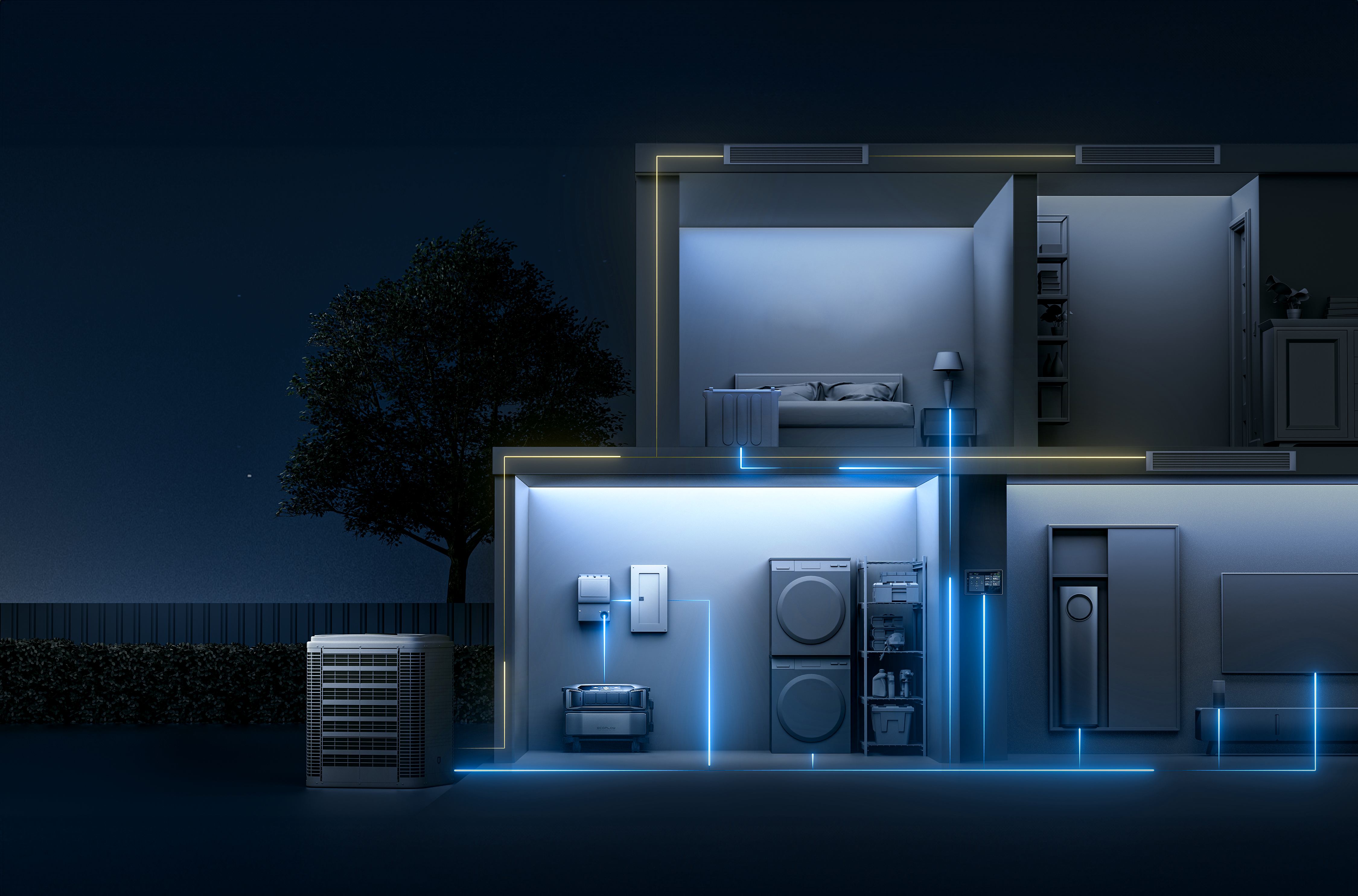
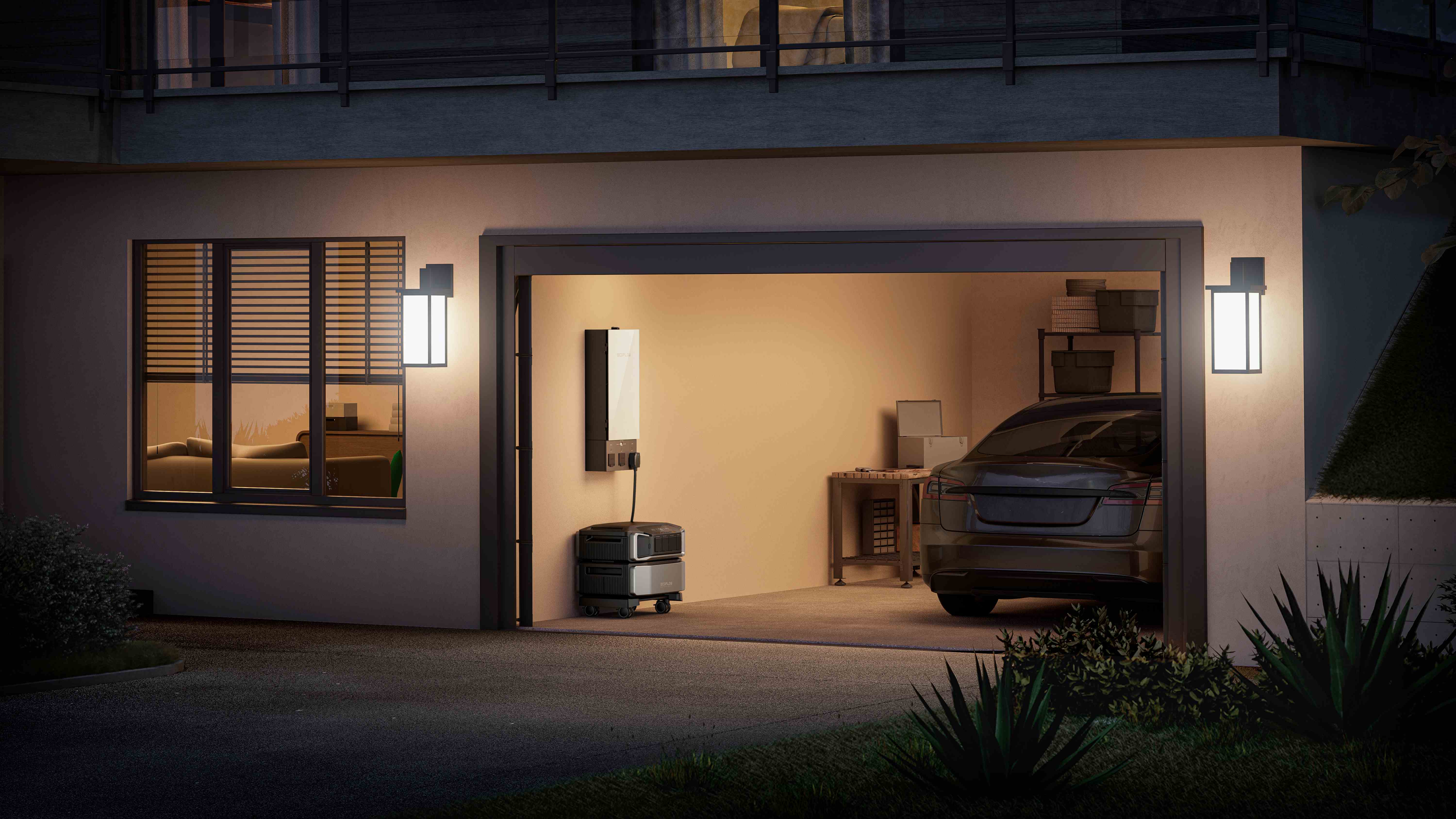
Home battery backup systems represent a fundamental shift in how we think about emergency power. Unlike generators that produce electricity on demand, battery systems store energy continuously and deploy it instantly when needed.
Instant Switchover
Transfers power in milliseconds—so fast your devices won't even notice the grid went down
Solar Integration
Pairs seamlessly with solar panels for renewable charging and true energy independence
Silent Operation
Zero noise, zero emissions—operate them indoors without ventilation concerns
The technology behind modern home batteries has advanced dramatically. Lithium iron phosphate (LFP) cells offer exceptional longevity, safety, and performance. These systems can power essential circuits or your entire home, scale to meet growing needs, and require virtually zero maintenance over their 10-15 year lifespan.
Perhaps most importantly, battery systems charge automatically from the grid or solar panels, ensuring they're always ready. There's no fuel to store, no engine to maintain, and no startup sequence to worry about.
Battery Backup vs. Tri-Fuel Generator: Direct Comparison
When evaluating these two backup power solutions, the differences become clear across multiple categories. Here's how they stack up:
| Feature | Tri-Fuel Generator | Battery Backup |
|---|---|---|
| Startup Time | 30 seconds to several minutes | Instant (milliseconds) |
| Noise Level | 60-80+ decibels | Silent operation |
| Maintenance | Regular oil, filters, spark plugs | Virtually none |
| Fuel Dependency | Requires stored fuel supply | Grid or solar charging |
| Indoor Use | Never (CO hazard) | Safe for indoor installation |
| Lifespan | 2,000-3,000 hours runtime | 10-15+ years / 6,000+ cycles |
| Renewable Ready | No solar integration | Full solar compatibility |
Real-World Applications
Extended Power Outages
During multi-day outages, battery systems paired with solar can provide indefinite power. Generators require constant refueling and eventually run out of stored fuel—often when gas stations are also without power.
Medical Equipment Needs
Homes with medical equipment requiring uninterrupted power benefit enormously from instant battery switchover. The seconds it takes to start a generator could be critical.
Suburban & HOA Communities
Many neighborhoods restrict generator use due to noise complaints. Battery systems operate silently, keeping you powered without disturbing neighbors or violating community rules.
Hybrid Approach
For maximum resilience, some homeowners use both: battery backup handles instant switchover and daily cycling while a generator serves as extended backup for worst-case scenarios.
Looking for Reliable Backup Power?
Whether you choose battery backup or want the flexibility of a tri-fuel generator, having dependable backup power is essential for any prepared household.
WEN TF1300iX Tri-Fuel GeneratorFrequently Asked Questions
The Bottom Line
While tri-fuel generators offer fuel flexibility that appeals to many homeowners, the practical advantages of modern battery backup systems are difficult to ignore. Silent operation, instant switchover, minimal maintenance, and solar compatibility make batteries the more convenient and often more cost-effective long-term solution.
That said, your specific situation matters. If you live in an area with frequent extended outages and have ample fuel storage, a generator remains a viable option. For most homeowners seeking reliable, hassle-free backup power, battery systems represent the smarter investment for modern energy security.
Explore our complete selection of backup power solutions at BACKYARD PROVIDER