
What Every Wine Cellar Must Get Right
Storing wine properly demands more than a cool, dark corner. The ideal cellar combines consistent temperature, balanced humidity, minimal light, and absolute stability — each condition working in harmony to protect and mature your collection over time.
When even one of these factors is neglected, the consequences accumulate quietly inside each bottle — accelerated oxidation, damaged corks, lost aromas — until the wine is past its best without warning.
The Right Temperature for Wine Storage
The gold standard for wine storage temperature is around 12°C. White wines are comfortable between 10°C and 12°C, while red wines are best kept between 12°C and 14°C. A single well-calibrated cellar temperature of 12°C serves both beautifully.
A cellar that runs too warm will rush the aging process, robbing wines of their complexity. One that runs too cold will slow development to a standstill and prevent the wine from properly expressing itself. Sudden swings in temperature are the greatest risk — even a few degrees of rapid fluctuation can disturb sediment, stress the cork, and accelerate premature aging.
Consistency Matters More Than Perfection
A cellar held steadily at 13°C will serve your wine far better than one that oscillates between 10°C and 16°C in the same week. What your wine needs above all is calm — a thermometer is an indispensable tool for monitoring this stability and keeping your collection safe year-round.
The Four Pillars of a Great Wine Cellar
Humidity: 60–70%
Relative humidity in the cellar should stay between 60% and 70%. Above this range, mold thrives on corks and labels. Below it, the cork dries out, shrinks, and allows oxygen to creep into the bottle, degrading even the finest wines. A hygrometer is the simplest way to keep this in check at a glance.
Light: The Lower, the Better
Tannins in wine are acutely sensitive to light, particularly UV from direct sunlight. In a properly designed cellar, the lower the light levels, the better your wine will age. If you need to illuminate your cellar, use soft, indirect, low-intensity lighting rather than direct overheads or spotlights.
Ventilation: Clean & Even
Wine breathes through its cork. A lightly ventilated cellar with even airflow helps maintain consistent humidity and keeps the air clean. Poor air quality — from food odours, cleaning products, or mold — can penetrate the cork and alter the flavour profile of the wine inside irreversibly.
Stability: No Vibration
A bottle of wine rests best in perfect stillness. Even minor, repeated vibrations disturb the sediment, interfere with the slow chemical reactions of aging, and put unnecessary stress on the cork seal. Your cellar space should protect bottles from all external movement for as long as they are stored.
How to Create the Best Wine Storage in Your Home
The decisions you make when designing your cellar will shape the conditions inside it for decades. Every detail — location, depth, insulation, and materials — influences temperature stability and the ability to maintain proper humidity from day one.
Depth & Location
The deeper your cellar, the more naturally insulated it is from external temperature swings and vibrations caused by traffic, machinery, or foot movement above. Locate your cellar as far as practical from heat sources: kitchens, boilers, laundry rooms, and south-facing walls are all unfavorable. Good insulation is non-negotiable.
Flooring
The ideal cellar floor is natural earth or stone — both materials help regulate ambient humidity and temperature passively. If a solid floor covering is required, choose one that allows some moisture exchange with the environment. Sealed or synthetic flooring that traps moisture beneath it should be avoided.
Control Humidity the Professional Way
The Wine Guardian Freestanding Humidifier is engineered specifically for wine cellars without integrated cooling units — keeping your humidity precisely within the 60–70% window your collection demands.
Choosing the Right Fixtures for Your Cellar
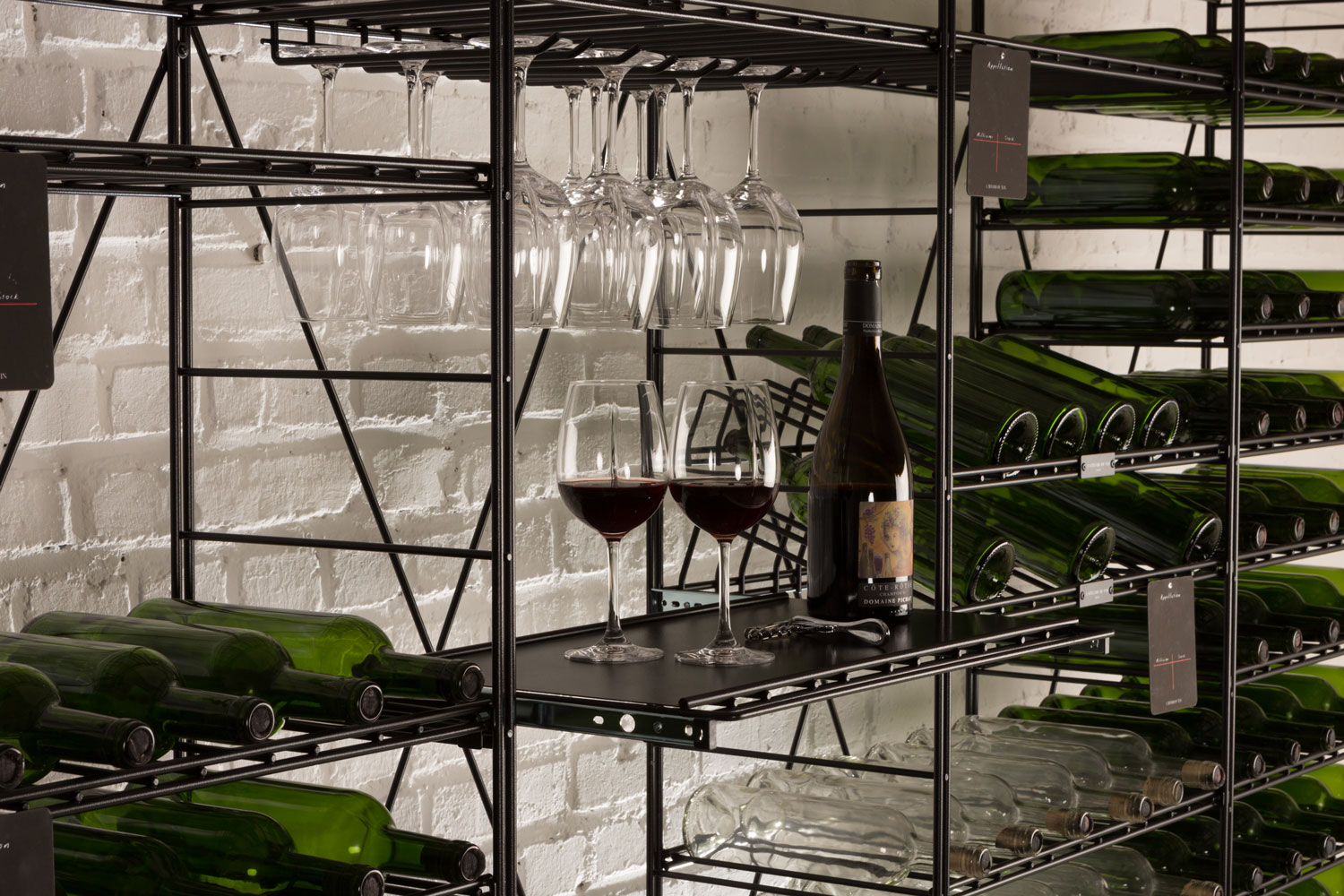
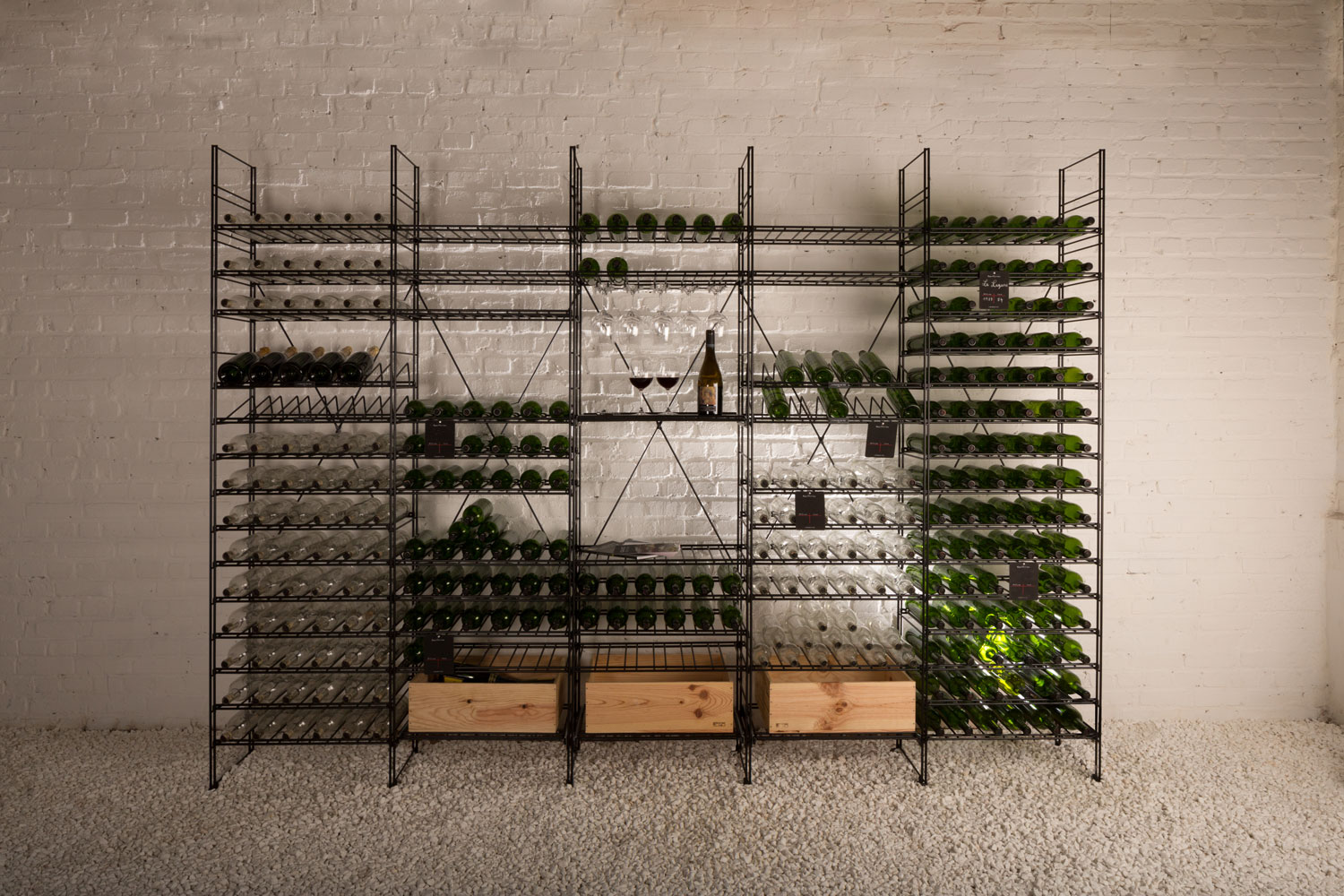
Wine storage furniture should do two things: hold your bottles in the ideal horizontal position to keep the cork moist, and make the most of your available space. A purpose-designed wine rack or modular shelving system does both while allowing proper airflow around each bottle.
Additional storage for glasses, wine accessories, and serving tools can be incorporated at floor level or on lower shelves. Storing wine above waist height where temperature is slightly warmer is perfectly acceptable for bottles intended for shorter-term keeping.
Lighting
Wall-mounted dimmer lighting is the preferred solution — warm, adjustable, and unobtrusive. Avoid windows or any openings that allow daylight inside; natural light, however indirect, is a slow enemy of fine wine. A cellar designed for complete darkness is the standard to aim for.
Ventilation Systems
Where natural ventilation is insufficient, a purpose-built wine cellar ventilation grille — positioned near floor level with an outlet near the ceiling — creates the passive airflow your cellar needs without introducing warm or contaminated air from adjacent rooms.
Your Wine Deserves the Right Environment
Every bottle you store is an investment in future enjoyment. Give it the conditions it needs — stable temperature, balanced humidity, stillness, and darkness — and it will reward you exactly as the winemaker intended.