
At the heart of proper wine preservation lies one often-underestimated element: humidity. While temperature receives most of the attention, humidity plays an equally critical role in keeping wines safe for the long haul. Some collectors assume that a cooling unit alone is sufficient — but without proper moisture management, even a perfectly chilled cellar can compromise your collection.
The Dangers of Improper Humidity in Wine Storage
Wine aging is fundamentally a chemical process driven by the slow, controlled exchange of oxygen. A healthy cork allows microscopic amounts of air to pass through — essential for proper development. When humidity falls outside the acceptable range, this delicate balance is thrown off, and your wine's quality and longevity can suffer considerably.
Humidity is one of the most overlooked aspects of cellar design. A relative humidity of around 60% is widely considered the safe minimum. The optimal window sits between 50% and 70%, and dropping below or exceeding this range creates its own set of problems.
Low Humidity (Below 50%)
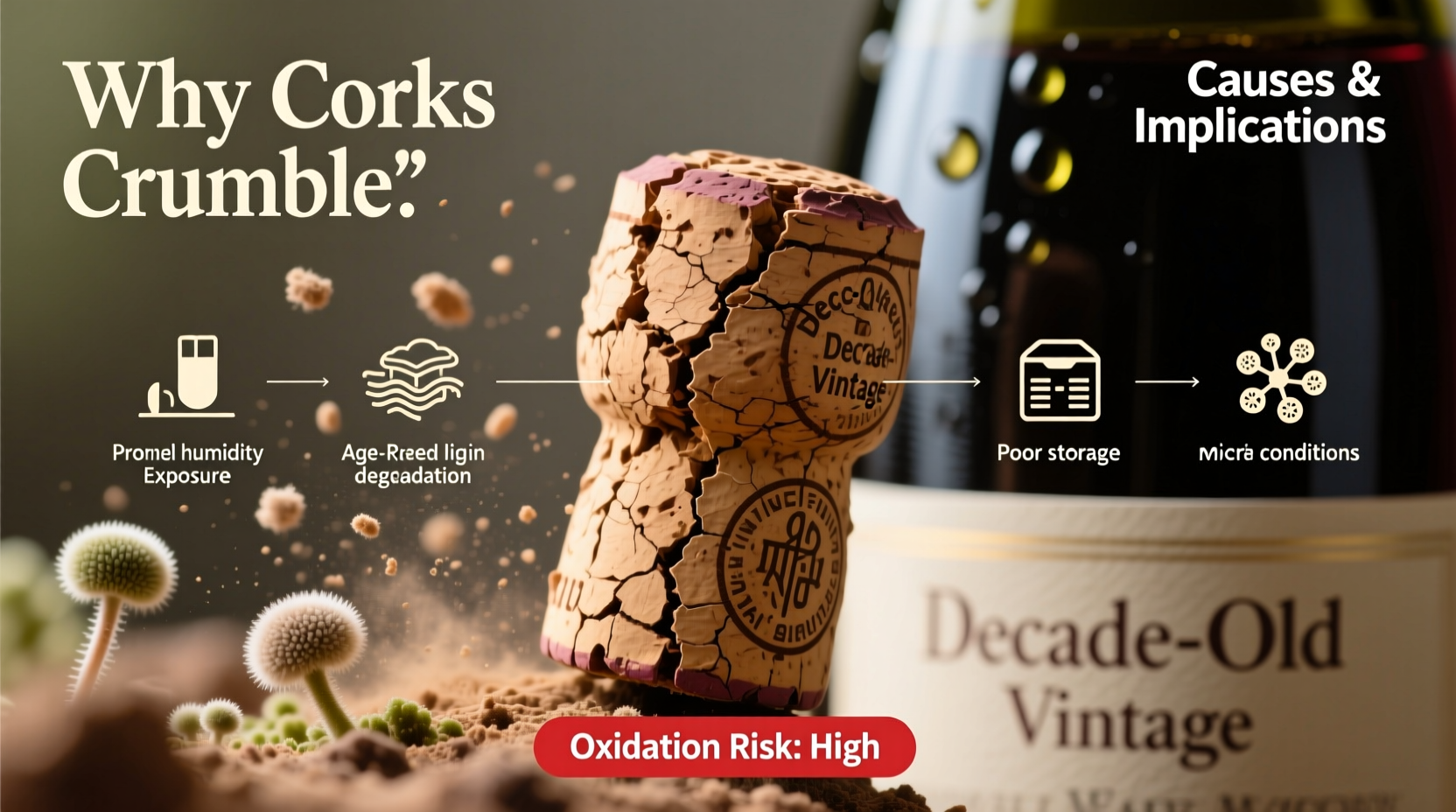
In a low-humidity environment, corks begin to dry out. A dry cork shrinks slightly, which may sound minor, but the consequences are significant. Once the seal weakens, the balance of oxygen entering the bottle is disrupted. Too much air accelerates oxidation — the very thing a cork is designed to prevent. Your wine's ability to age gracefully depends entirely on that seal remaining intact.
Corks in a dry cellar can shrink and allow excess oxygen inside the bottle, prematurely aging your wine and causing irreversible flavor damage before the bottle is ever opened.
High Humidity (Above 70%)
Excess moisture carries its own risks. At humidity levels above 70%, mold and mildew can begin to form — on labels, on wooden racks, and across cellar walls. Label degradation may seem like a cosmetic issue, but for collectors, it significantly impacts a bottle's value and provenance. More critically, excess moisture can introduce contaminants into the aging environment, affecting the quality of the vintage itself.
Sustained humidity above 70% creates ideal conditions for mold growth, label deterioration, and microbial activity that can compromise both the wine and the storage space.
How to Monitor Your Wine Cellar Humidity
Keeping a close eye on cellar conditions is essential whether you're managing a small residential collection or a full-scale wine room. There are two telltale signs that humidity may be off:
Signs of Low Humidity
Corks appearing sunken or cracked, labels curling at the edges, and a noticeable dryness in the air near bottle necks — the entry point for unwanted oxygen.
Signs of High Humidity
Condensation droplets on walls or bottles, visible mold or mildew patches, peeling labels, and musty odors throughout the storage area.
For precise monitoring, a hygrometer is the tool of choice. This simple device measures relative humidity in real time, with readings presented on a scale of 0% to 100%. Many modern hygrometers also measure dew point, giving you a fuller picture of your cellar's atmospheric conditions. When shopping for one, look for a model that fits both the dimensions and design of your space.
Preventing Humidity Problems in Your Wine Cellar
Preventing humidity-related damage comes down to thoughtful planning before issues arise. A few foundational measures will keep conditions consistently within the ideal range.
- Install a vapor barrier around the perimeter of your storage room to prevent moisture from migrating through walls, particularly in below-grade or exterior spaces.
- Use at least 4 mil plastic sheeting, sealed and overlapped at seams, then covered with an appropriate insulating layer for your climate zone.
- Combine a quality cooling unit with a dedicated humidifier to address both temperature and moisture independently and with greater precision.
- A freestanding humidifier integrated with your cooling setup evenly distributes moisture throughout the cellar as the unit operates.
- Monitor humidity levels seasonally and adjust settings as outdoor conditions change throughout the year.
Wine Cellar Humidifiers: The Solution for Optimal Humidity
Purpose-built wine cellar humidifiers are specifically engineered to maintain consistent moisture levels and give your collection the stable environment it needs to age properly. Advanced sensing technology continuously monitors relative humidity and makes real-time adjustments — so you never have to guess whether conditions are safe.
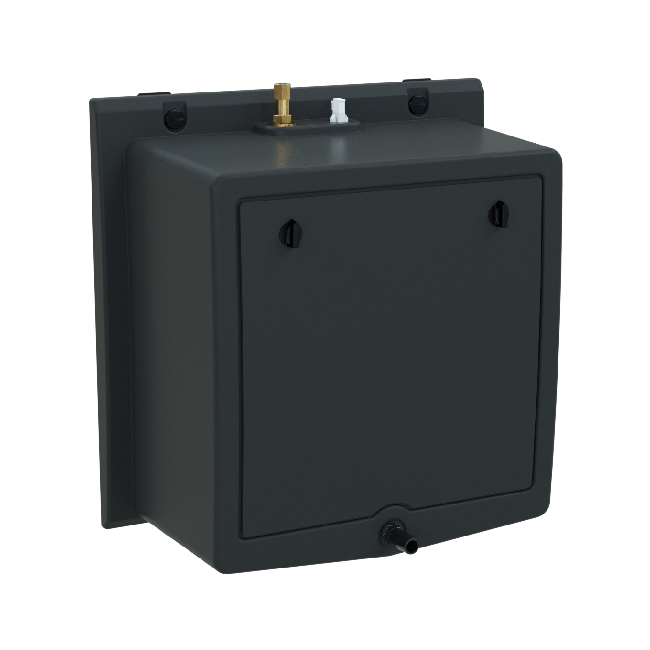
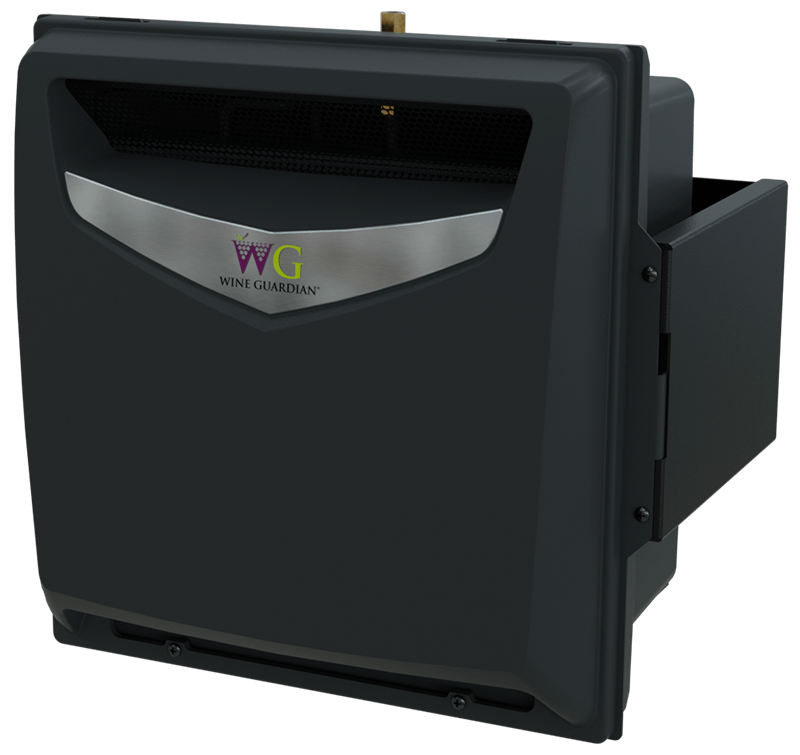
Both integrated and freestanding options are available to suit different cellar configurations. A freestanding model is an excellent choice when your existing cooling unit doesn't include built-in humidification — it works independently alongside any cooling system, delivering steady, calibrated humidity without requiring modifications to your setup.
Wine Guardian Freestanding HumidifierNeed Expert Advice on Wine Cellar Humidity?
Understanding the science of wine aging empowers you to build a storage space that truly protects your investment. Proper humidity control is not an accessory — it is a necessity. If you are ready to take the next step in building or upgrading your wine cellar, our team is here to help you find the right solution for your space.
Shop Wine Guardian Humidifier