
Master the art of camping with a portable wood-burning stove and stay warm in any season
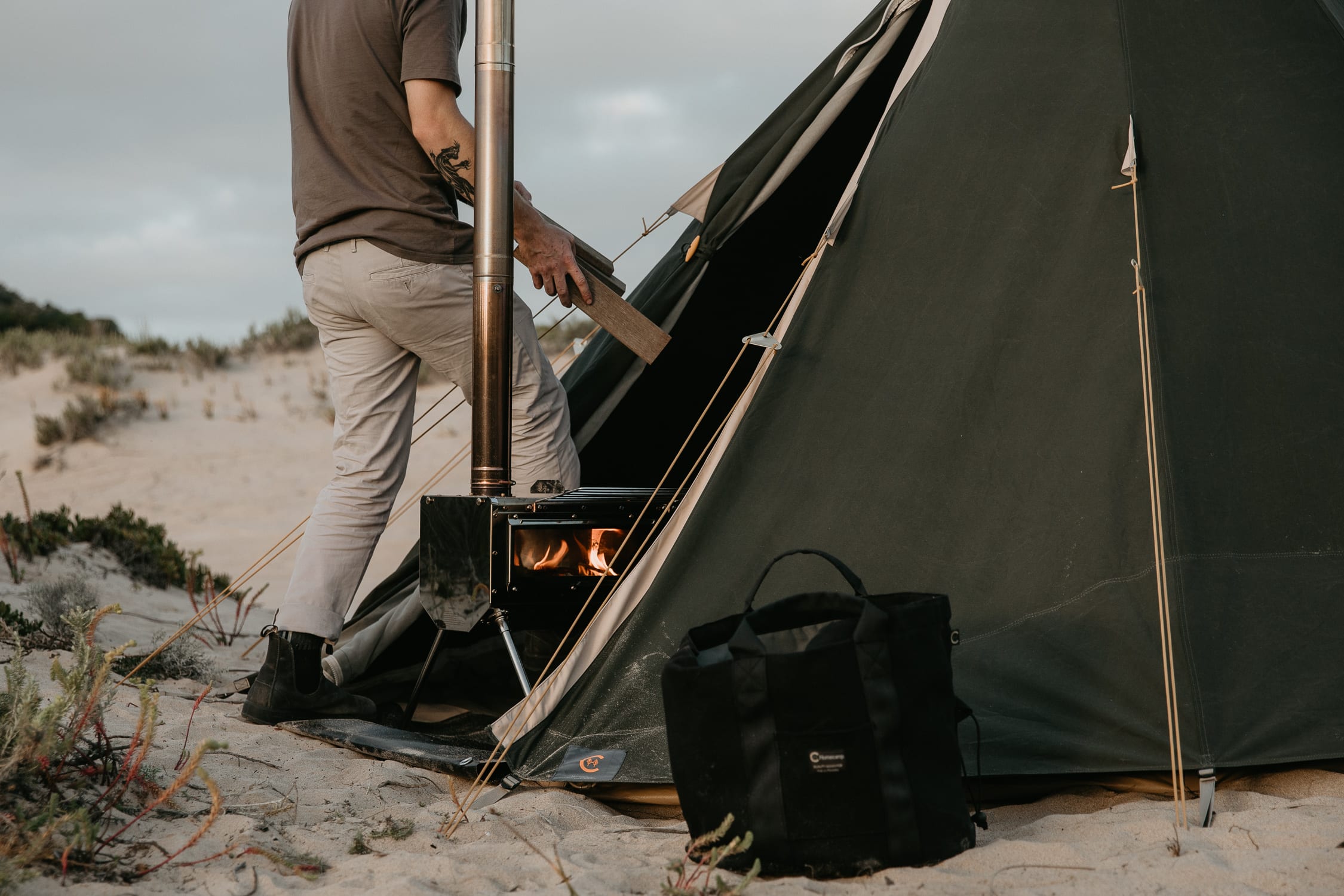
For those brave souls seeking an unforgettable outdoor experience, hot tenting offers something truly remarkable. Picture this: you're nestled inside a canvas shelter, surrounded by winter's majesty, while a crackling wood stove keeps you comfortably warm. This isn't just camping—it's an experience that transforms cold-weather adventures into cozy memories.
The beauty lies not only in the physical warmth but in the entire ritual of creating and maintaining your own heat source in the wild—splitting wood, tending flames, and mastering the delicate balance of ventilation and temperature control. It's a skill that connects us to generations of outdoor enthusiasts who came before us.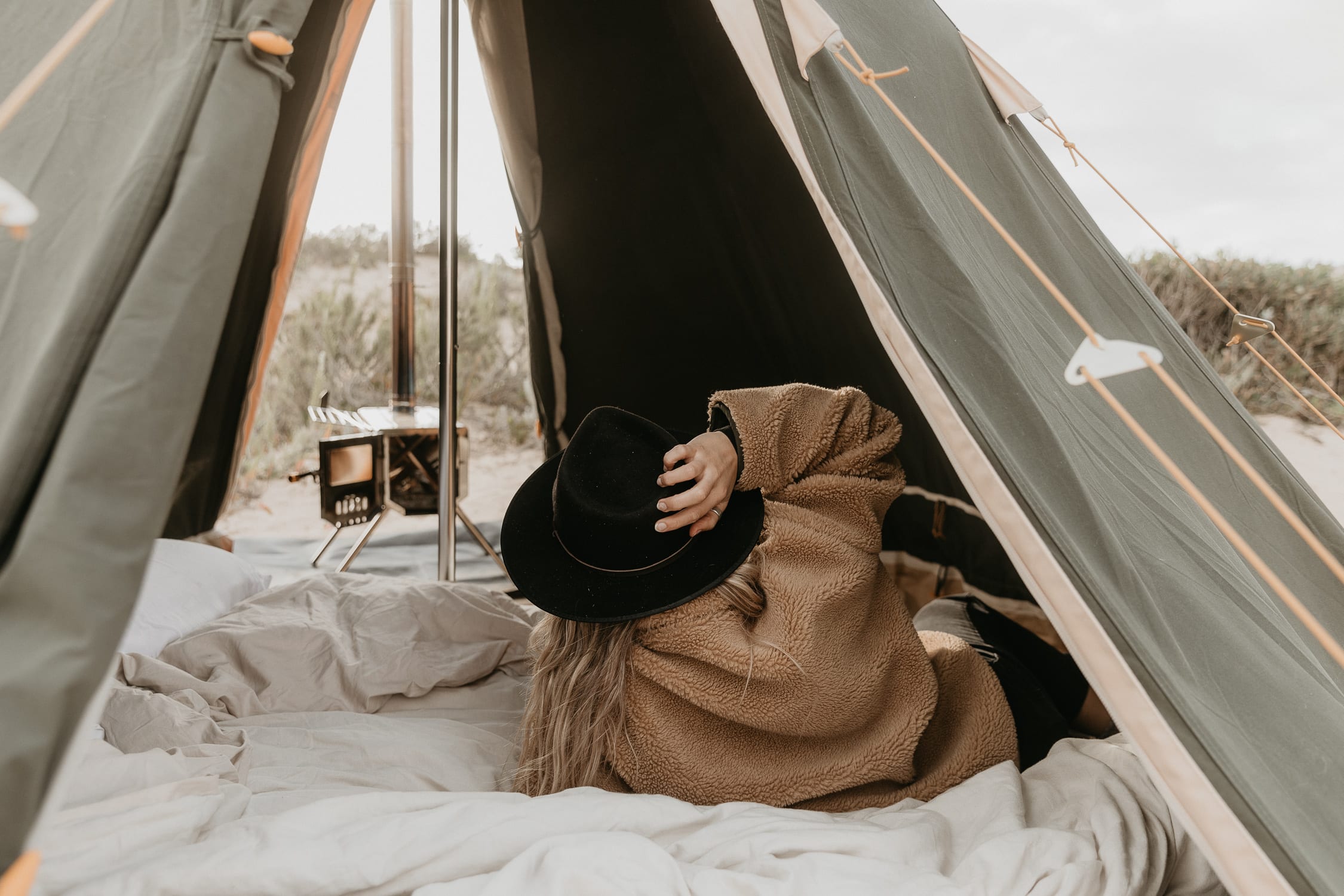
What Is Hot Tenting?
Hot tenting is a revolutionary approach to cold-weather camping that transforms your outdoor shelter into a warm, inviting haven. At its core, it involves setting up a specialized tent equipped with a portable wood-burning stove, creating a surprisingly comfortable environment even when temperatures plummet below freezing.
Why Choose Hot Tenting?
Stay Incredibly Warm
Transform sub-zero conditions into a cozy retreat. A quality wood stove generates enough heat to keep your shelter comfortably warm, allowing you to camp in conditions that would otherwise be unbearable. You'll actually be able to remove layers inside your tent rather than bundling up in multiple sleeping bags.
Cook Hot Meals
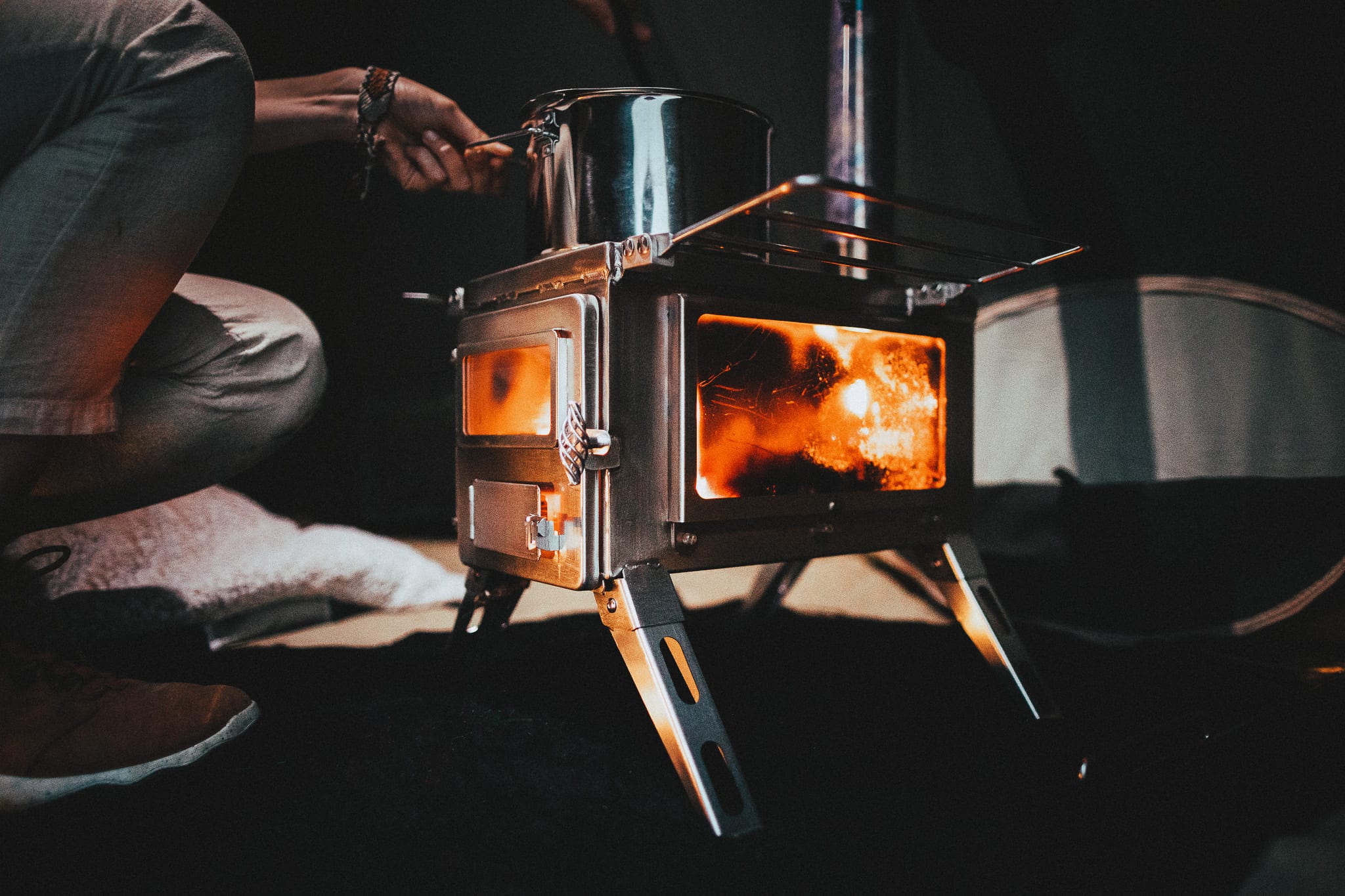
Your wood stove doubles as a cooking surface, eliminating the need for separate camp stoves. Boil water for coffee, prepare hearty stews, or cook elaborate meals right on top of your heat source. There's something deeply satisfying about cooking on a wood-fired surface while winter rages outside.
Dry Your Gear
Wet boots, damp gloves, and moisture-laden clothing are the bane of winter camping. With a hot tent, you can hang items around your stove and watch them dry within hours. This isn't just about comfort—it's about safety, as dry gear insulates better and prevents dangerous situations.
Conserve Your Energy
Winter camping typically demands enormous energy expenditure just to stay warm. Your body burns through calories at an accelerated rate trying to maintain core temperature. With a hot tent setup, you conserve precious energy and calories, allowing you to stay out longer and explore more confidently.
Create Atmosphere
There's an undeniable magic to watching flames dance through the stove's glass window while snow falls silently outside. The gentle crackling of burning wood, the warm glow illuminating your canvas walls, and the knowledge that you've created this refuge yourself—it's an experience that transcends mere camping.
Choosing The Right Stove
Your wood-burning stove is the beating heart of your hot tent setup. This isn't just another piece of camping gear—it's the difference between a miserable night and an adventure you'll reminisce about for years to come. The right stove will provide consistent heat, cook your meals efficiently, and last through countless expeditions.
Modern portable wood stoves have evolved dramatically from the heavy, inefficient designs of the past. Today's models feature advanced combustion systems, viewing windows that let you monitor the fire, and thoughtful engineering that maximizes heat output while minimizing weight. They're designed specifically for the unique demands of tent camping.
Key Features to Consider:
When selecting your stove, pay close attention to build quality and materials. Stainless steel construction offers the best durability-to-weight ratio, resisting rust and corrosion even in harsh conditions. Look for welded seams rather than riveted joints, as these hold up better to repeated heating and cooling cycles.
The size of your stove matters tremendously. A larger firebox means longer burn times and less frequent refueling during the night—critical when you're cozy in your sleeping bag. However, bigger stoves weigh more and take up valuable pack space. Consider your typical camping scenarios and choose accordingly.
External air intake systems represent a significant advancement in tent stove technology. These clever designs draw combustion air from outside your shelter, preventing the stove from depleting oxygen inside your tent. This not only improves safety but also maintains better air quality and reduces condensation issues.
Portability shouldn't be overlooked. The best tent stoves break down into manageable components that pack efficiently. Removable legs, nested stovepipe sections, and thoughtfully designed carrying cases transform what could be an awkward bundle into a reasonable backpacking load. Some premium models even include spark arrestors built into the chimney system for added fire safety.
Premium Hot Tent Solution
Experience superior warmth and reliability with a professional-grade wood stove designed specifically for serious outdoor enthusiasts.
Nomad Double View Stove
Selecting Your Tent
Not every tent is suitable for hot tenting, and using the wrong shelter with a wood stove can be genuinely dangerous. The tent you choose must be specifically designed to accommodate a stovepipe, constructed from fire-resistant materials, and engineered to handle the unique stresses of hot tent camping.
Essential Tent Features:
Stovepipe Jack: This specialized port allows your chimney to exit safely through the tent wall or roof. Quality jacks feature heat-resistant materials, adjustable openings to accommodate different pipe diameters, and weather-proof seals to keep precipitation out.
Fire-Resistant Fabric: Canvas and polycotton blends naturally resist flames better than synthetic materials. These fabrics also breathe, reducing condensation buildup—a critical consideration when you're generating heat inside your shelter.
Adequate Ventilation: Proper airflow isn't optional—it's essential for safety and comfort. Look for tents with adjustable vents positioned to create natural air circulation without creating uncomfortable drafts.
Size considerations extend beyond simple sleeping capacity. You need room for your stove, a safe clearance zone around it, storage for firewood, and space to move around comfortably. A tent rated for four people might comfortably accommodate two hot tenters with all their gear and stove setup.
Wall tents and tipi-style shelters dominate the hot tenting world for good reasons. Their steep walls and central peak create excellent natural convection, distributing heat evenly throughout the space. The vertical walls also maximize usable interior space and keep the hottest air rising naturally away from occupants.
Four-season construction is non-negotiable if you're serious about winter camping. These tents feature stronger poles, more secure stake points, and weather-resistant designs that stand up to heavy snow loads and fierce winds. The investment in a proper four-season hot tent pays dividends in safety and longevity.
Critical Safety Considerations
Hot tenting introduces real risks that demand respect and careful attention. Following proper safety protocols isn't just recommended—it's absolutely essential.
Carbon Monoxide Awareness
This odorless, colorless gas is the most serious threat in hot tenting. Always use a quality carbon monoxide detector, maintain proper ventilation, and ensure your stovepipe system is sealed correctly. Never compromise on these safety measures.
Fire Prevention
Establish a safety perimeter around your stove—minimum two feet from any combustible materials. Keep a fire extinguisher or bucket of water readily accessible. Inspect your stovepipe connections before each use and never leave a burning stove unattended.
Proper Ventilation
Fresh air circulation isn't just about comfort—it's life-saving. Never fully seal your tent, even in extreme cold. Crack a vent or door slightly to ensure continuous air exchange. The slight temperature loss is a worthwhile trade for safety.
Getting Started With Hot Tenting
Beginning your hot tenting journey doesn't require an expedition to the Arctic. Start with a simple overnight trip in moderate conditions, relatively close to home. This approach allows you to learn the fundamentals without the pressure of harsh weather or remote locations.
Practice setting up your complete system in your backyard before heading out. Get comfortable with assembling the stove, installing the chimney, and understanding how your specific tent and stove combination works together. This rehearsal time proves invaluable when you're working with cold hands in fading daylight.
Essential First-Timer Tips:
Gather more firewood than you think you'll need—then gather twice that amount. Wood consumption in cold weather surprises most beginners. Split your wood into various sizes: kindling for starting fires, medium pieces for building heat, and larger logs for overnight burning.
Learn to read your stove. A roaring fire isn't always better—in fact, moderate, consistent heat is more comfortable and efficient. Watch the stove's temperature indicators and adjust airflow accordingly. Too much air creates wasteful flames; too little produces smoke and incomplete combustion.
Plan your overnight fire management strategy. Loading your stove with dense hardwood before bed, then damping down the airflow, can provide heat for several hours. Some experienced hot tenters wake once during the night to add fuel, ensuring continuous warmth until morning.
Master the art of gradual temperature adjustment. Don't blast your stove immediately upon entering a cold tent—the rapid temperature change creates excessive condensation. Build your fire slowly, allowing the tent fabric and your gear to warm gradually. This patience prevents moisture problems and extends the life of your equipment.
Embrace The Adventure
Hot tenting opens up an entirely new dimension of outdoor adventure. It transforms intimidating winter landscapes into accessible playgrounds, extending your camping season and deepening your connection with nature. The skills you develop—fire management, weather reading, and shelter optimization—connect you to timeless outdoor traditions.
Yes, it requires more gear, more knowledge, and more preparation than traditional camping. But the rewards—the warmth, the comfort, the sheer satisfaction of thriving in challenging conditions—make every bit of effort worthwhile. So gather your equipment, study proper techniques, start small, and prepare to discover why hot tenting has captured the hearts of adventurers worldwide.
Ready to Begin Your Hot Tenting Journey?
Equip yourself with professional-grade gear designed for serious outdoor enthusiasts. Quality equipment makes all the difference between a good experience and a great one.
Shop Premium Tent Stoves