
Transform your outdoor cooking experience with the versatility and convenience of modern pellet grilling technology
What Exactly Is a Wood Pellet Grill?
A wood pellet grill represents the perfect marriage of traditional wood-fired flavor and modern cooking convenience. These innovative outdoor cooking appliances use compressed hardwood pellets as their fuel source, delivering authentic smoky taste without the hassle of managing charcoal or wood chunks.
Think of it as having a versatile outdoor kitchen that functions as a grill, smoker, oven, and roaster all rolled into one impressive unit. Whether you're searing steaks, slow-smoking brisket, baking pizza, or roasting vegetables, a pellet grill handles it all with remarkable precision and consistency.
The Evolution of Pellet Grill Technology
The story of pellet grills began in the 1980s when innovative minds in the Pacific Northwest sought to create a better way to cook outdoors. Originally developed as a byproduct solution for wood waste in the lumber industry, these grills quickly evolved into sophisticated cooking machines that outdoor enthusiasts couldn't resist.
Over the decades, pellet grills have undergone dramatic improvements. Today's models feature digital controls, WiFi connectivity, precise temperature management, and engineering that would make their predecessors look like basic prototypes. What started as a niche product has become a mainstream phenomenon embraced by backyard cooks and professional pitmasters alike.
How Does a Pellet Grill Actually Work?
Understanding the mechanics behind pellet grills reveals why they've become so popular among outdoor cooking enthusiasts. The system is elegantly simple yet remarkably effective, combining automation with traditional wood-fired cooking methods.
The process begins in the hopper, a storage container typically mounted on the side of the grill that holds your wood pellets. An electric auger, controlled by the grill's digital thermostat, automatically feeds pellets from the hopper into the firepot at precisely calibrated intervals. This automated feeding system is what sets pellet grills apart from traditional grills.
Inside the firepot, a hot rod ignites the pellets, creating both heat and that coveted wood smoke. A fan circulates this heat and smoke throughout the cooking chamber, creating an even cooking environment similar to a convection oven. The digital controller constantly monitors the temperature and adjusts pellet feed rates to maintain your desired heat level with impressive accuracy, often within just a few degrees.

What Makes Up a Pellet Grill System?
Every component in a pellet grill plays a crucial role in delivering consistent, delicious results. Understanding these parts helps you appreciate the engineering that goes into these remarkable cooking machines.
The Hopper
This fuel reservoir stores your wood pellets and shields them from moisture. Quality hoppers feature secure lids and substantial capacity, allowing for extended cooking sessions without constant refilling. The hopper's design directly impacts how long you can cook before needing to add more pellets.
The Auger System
Acting as the grill's delivery mechanism, the motorized auger transports pellets from hopper to firepot with precision timing. This component is controlled by your temperature settings, feeding pellets faster for higher heat and slower for low-and-slow cooking. It's the heart of the automation system.
The Firepot
Where the magic happens. This crucible is where pellets ignite and burn, generating both heat and smoke. The firepot's design influences burn efficiency and ash production. A well-designed firepot ensures complete combustion and minimal waste, contributing to better flavor and easier cleanup.
Heat Deflector
Positioned above the firepot, this shield disperses direct heat and promotes even temperature distribution across the cooking surface. It prevents hot spots and protects your food from direct flame exposure, enabling that consistent convection-style cooking that makes pellet grills so versatile.
Drip Tray
This essential component catches drippings and grease, directing them away from the heat source to prevent flare-ups. A quality drip tray system makes cleanup significantly easier and helps maintain your grill's longevity. Some models feature disposable liners for even more convenient maintenance.
Digital Controller
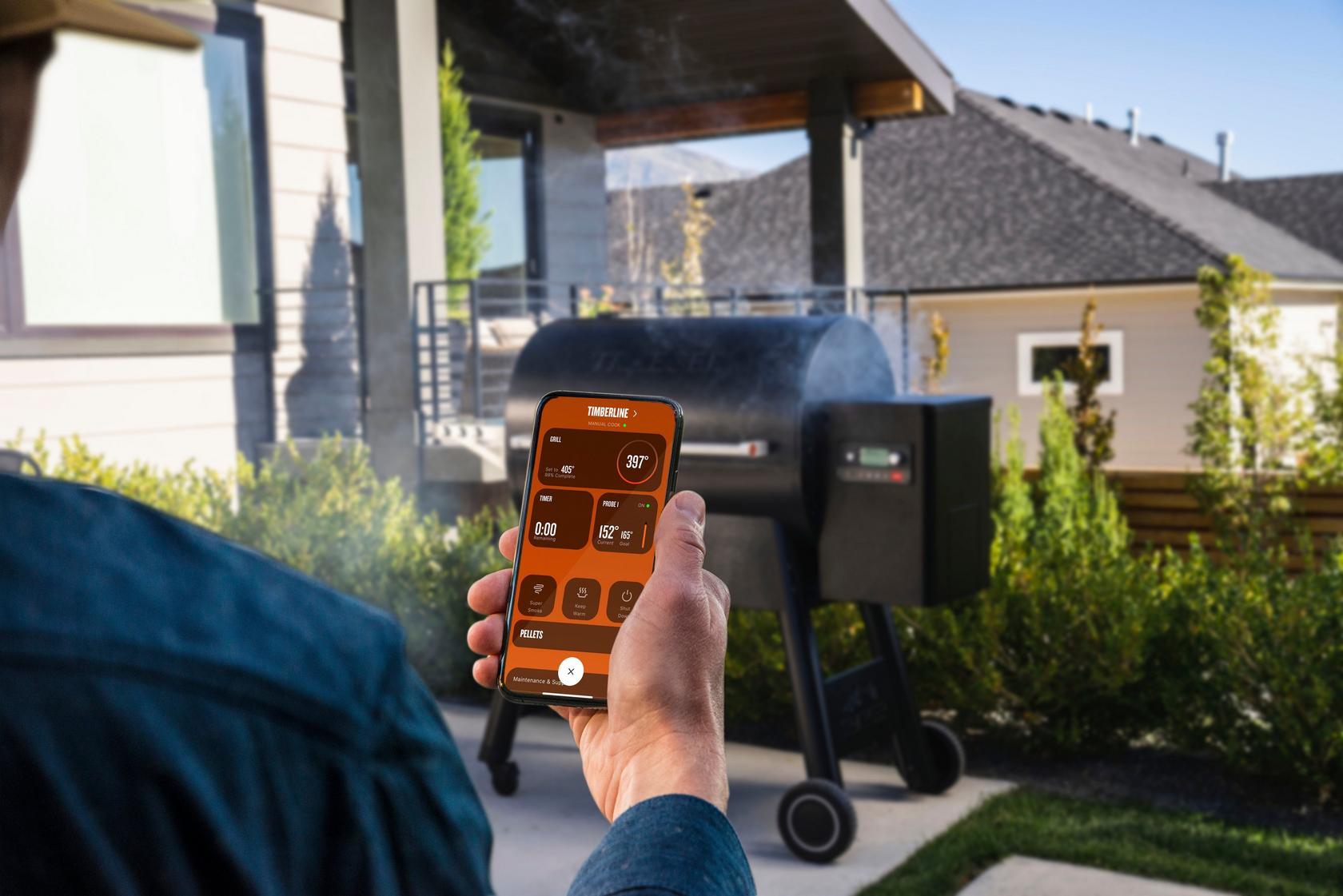
The brain of the operation. This sophisticated device monitors temperature via internal probes and adjusts auger speed to maintain your target heat. Modern controllers often include WiFi capability, allowing you to monitor and adjust your cook from anywhere using your smartphone.
Why Are Pellet Grills Worth the Investment?
The surge in pellet grill popularity isn't just hype—these versatile cookers offer genuine advantages that transform how you approach outdoor cooking. From convenience to flavor, pellet grills deliver benefits that justify their place in your backyard.
Exceptional Temperature Precision
Unlike traditional charcoal or gas grills that require constant attention and adjustment, pellet grills maintain remarkably steady temperatures. The digital controller and automated pellet feeding work together to hold your selected temperature within a narrow range, giving you the precision of an indoor oven with authentic wood-fired flavor. This consistency is especially valuable for long smoking sessions where temperature stability is crucial for perfect results.
Remarkable Cooking Versatility
One appliance replaces several. Pellet grills excel at smoking, grilling, roasting, baking, and even braising. Start your morning baking fresh bread, grill burgers for lunch, and smoke a brisket for dinner—all on the same unit. This versatility eliminates the need for multiple outdoor cookers and opens up creative culinary possibilities that would be impractical with traditional equipment.
Authentic Wood-Fired Flavor
The genuine wood smoke from burning pellets imparts depth and complexity that propane simply cannot match. With various wood types available—hickory, mesquite, apple, cherry, oak, and more—you can customize smoke profiles to complement different foods. The subtle smokiness enhances everything from delicate fish to robust red meats, adding a gourmet dimension to your cooking.
Set-It-and-Forget-It Convenience
Perhaps the most appreciated advantage is the hands-off operation. After setting your desired temperature and ensuring adequate pellets in the hopper, you're free to attend to other tasks. No need to constantly monitor charcoal temperatures or adjust vents. Many modern units with WiFi connectivity let you check progress from inside your home, making hosting gatherings or managing busy schedules infinitely easier while still producing restaurant-quality results.
Selecting the Right Wood Pellets for Your Grill
Not all wood pellets deliver the same results. The type of wood you choose significantly impacts the flavor of your food, and understanding these differences helps you create dishes that truly shine. Each variety offers distinct characteristics that pair better with certain proteins and cooking styles.
Hickory Pellets
The bold, robust smoke of hickory stands up beautifully to red meats and pork. Its strong, bacon-like flavor has made it a barbecue classic, particularly popular in Southern-style cooking. Hickory works wonderfully for ribs, pulled pork, and beef brisket, though it can overpower more delicate proteins if used too liberally.
Mesquite Pellets
Delivering the strongest smoke flavor of all hardwoods, mesquite brings intense, earthy notes that define Southwestern barbecue. This powerful wood burns hot and fast, making it ideal for quick-cooking items like steaks and chicken. Use mesquite judiciously, as its potency can become overwhelming during extended cooking sessions.
Apple Pellets
Offering a mild, subtly sweet smoke, apple wood complements poultry, pork, and even vegetables without overwhelming their natural flavors. Its gentle character makes it perfect for beginners still developing their smoke preferences. Apple pellets also excel when blended with stronger woods to add a hint of fruity complexity.
Cherry Pellets
Cherry wood produces a beautifully mild smoke with a slightly sweet undertone that enhances both the flavor and appearance of your food, adding an attractive mahogany color to meats. This versatile wood works wonderfully with virtually everything—from salmon to ribs to turkey. Many pitmasters consider cherry an essential component of their pellet collection.
Oak Pellets
The dependable all-purpose choice, oak delivers medium smoke intensity that works with virtually any food. Its neutral yet distinctive profile makes it ideal for experimenting with new recipes or mixing with other woods to create custom blends. Oak burns consistently and efficiently, making it a staple for everyday grilling and longer smoking sessions alike.
Weighing the Advantages and Considerations
Like any cooking appliance, pellet grills come with both strengths and trade-offs. Understanding these factors helps you make an informed decision about whether a pellet grill fits your outdoor cooking lifestyle and expectations.
The Advantages
Effortless Operation
Set your temperature, load your food, and let the grill handle the rest. The automated systems manage fuel feeding and temperature regulation, freeing you to focus on sides, guests, or simply relaxing.
Reliable Consistency
Achieve professional results every time thanks to precise temperature control. Whether you're a novice or experienced cook, the grill's automated systems help ensure success with minimal guesswork.
Authentic Smoke Flavor
Real hardwood smoke infuses your food with depth and complexity that gas grills cannot replicate. The flavor is genuine, nuanced, and adjustable based on your wood selection.
Multi-Function Capability
One investment replaces multiple appliances. Smoke low and slow, grill hot and fast, or bake and roast—all with equal proficiency on a single unit.
Cleaner Than Charcoal
Pellets produce minimal ash compared to traditional charcoal, making cleanup faster and less messy. Many models feature convenient ash cleanout systems that simplify maintenance even further.
The Considerations
Higher Initial Investment
Quality pellet grills command premium prices compared to basic charcoal or propane models. However, consider the long-term value of replacing multiple cooking appliances with one versatile unit.
Electricity Dependency
Pellet grills require electrical power to operate their auger, igniter, and controller. This limits portability compared to charcoal grills and can be problematic during power outages, though the power consumption is relatively modest.
Ongoing Pellet Costs
While pellets are generally affordable, they do represent a recurring expense. Frequent users will purchase pellets regularly, and costs can add up over time, particularly if you prefer premium hardwood varieties.
Limited High-Heat Searing
Standard pellet grills typically max out around 450-500°F, which is lower than gas grills or charcoal. While adequate for most cooking, achieving restaurant-quality sears on steaks may require additional techniques or accessories.
Weather Sensitivity
Cold temperatures and strong winds can affect performance, requiring more pellets to maintain temperature. Some cooks invest in insulated blankets for winter use, and pellets must be kept completely dry to function properly.
When Should You Fire Up Your Pellet Grill?
Pellet grills shine in specific cooking scenarios where their unique capabilities deliver superior results. Knowing when to reach for your pellet grill versus other cooking methods helps you maximize its potential and create truly memorable meals.
Low and Slow Smoking Sessions
This is where pellet grills absolutely dominate. For brisket, pork shoulder, ribs, or any cut requiring hours of steady, controlled smoke, pellet grills are virtually unmatched. The automated temperature control maintains consistent heat for 8, 12, or even 16 hours without requiring constant monitoring or fuel adjustments. Your investment in a pellet grill pays dividends every time you smoke a perfect brisket.
Outdoor Baking and Roasting
Want to bake pies, cookies, or artisan bread without heating up your kitchen? Pellet grills function beautifully as outdoor convection ovens. Roast vegetables, bake casseroles, or cook whole chickens with the added bonus of subtle smoke flavor. The even heat distribution rivals your indoor oven while adding that distinctive outdoor cooking character.
Entertaining Gatherings
Hosting a party? The set-and-forget nature of pellet grills means you can actually enjoy time with your guests instead of being chained to the grill. Load up the cooking chamber, set your temperature, and focus on hospitality. WiFi-enabled models let you monitor progress from anywhere, ensuring your food is perfect while you remain present with friends and family.
Experimenting With New Recipes
The precision and consistency of pellet grills make them ideal for culinary exploration. Trying a recipe for the first time? The reliable temperature control removes variables, helping you achieve success. From smoked salmon to barbecue pizza to reverse-seared steaks, pellet grills encourage creativity and confidence in attempting ambitious dishes.
Why Investing in Quality Matters for Your Pellet Grill Experience
The gap between budget and premium pellet grills extends far beyond the price tag. Quality construction and engineering directly impact your cooking experience, results, and long-term satisfaction. Understanding these differences helps you make a choice you'll appreciate for years to come.
Superior Build Quality
Premium grills feature heavier-gauge steel construction that retains heat more effectively and withstands weather and time better than thin metal alternatives. Thicker materials mean more stable temperatures, especially in challenging conditions. Quality welds, robust hinges, and substantial components translate to a grill that performs consistently year after year rather than deteriorating after a few seasons.
Advanced Temperature Control
Higher-end controllers offer advanced algorithms for temperature stability, often within 5°F. This precision is vital for long smoking sessions and delicate baking. Features like integrated meat probes, WiFi connectivity, and streamlined interfaces also enhance the overall cooking convenience and user experience.
Efficiency and Better Smoke Quality
Quality engineering leads to better fuel efficiency and superior smoke. Better fans and firepots ensure pellets burn cleanly, producing that desirable thin, blue smoke (the best for flavor) rather than thick, acrid white smoke. Efficient design means you use fewer pellets over time, partially offsetting the higher initial investment and delivering better-tasting food.